The prospect of peace in the Middle East might be closer than ever, but let’s not pop the champagne just yet. The emerging deal to end the Iran war is laden with uncertainty and the kind of political maneuvering that can make your head spin.
According to PBS, discussions are intensifying regarding a potential resolution to the longstanding conflict in Iran, which has entangled various regional and global actors. However, key details remain elusive, stoking skepticism and debate among experts and policymakers alike.
Understanding the Middle East Context
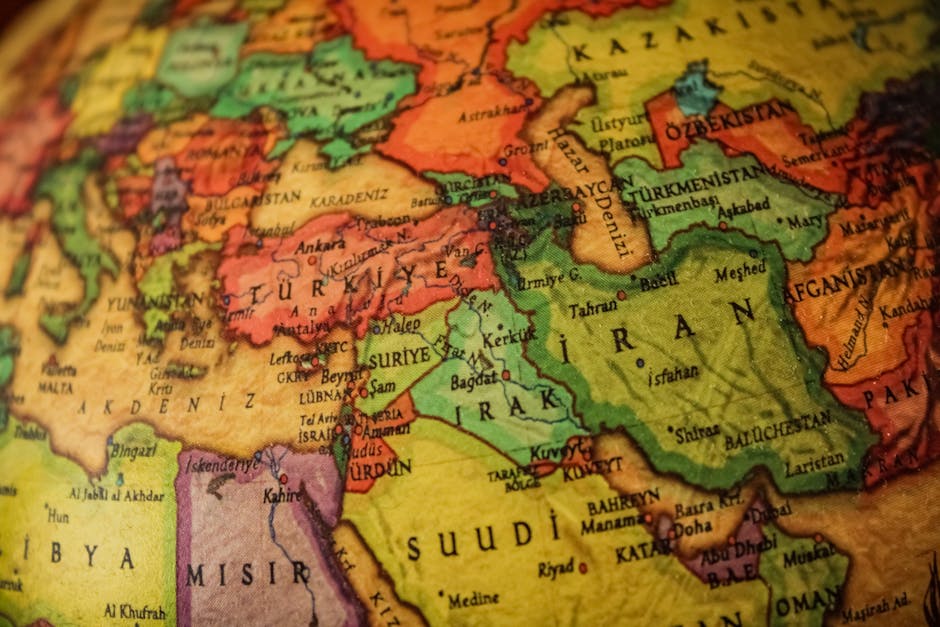
This moment doesn’t exist in a vacuum. For decades, the Middle East has been a battleground of ideological, ethnic, and geopolitical strife. The Iran war, which has fueled sectarian divides and destabilized neighboring countries, is just one piece of a larger puzzle. Recent shifts in U.S. foreign policy and changing alliances among Middle Eastern nations have created a ripe environment for negotiations. Players like Saudi Arabia and Israel are watching closely, weighing their interests against a backdrop of renewed Iranian influence.
The engagement of major powers, including the U.S., brings an added layer of complexity. The Biden administration’s attempts to recalibrate its stance in the Middle East could be a double-edged sword. While peace talks may seem favorable, any perceived weakness might embolden adversaries and complicate matters further. In this intricate mosaic, every decision sends ripples far and wide.
The Stakes of the Middle East Negotiations
While the idea of an end to the Iran war is tantalizing, the stakes could not be higher. If a deal is struck, who stands to gain or lose? Iran, undoubtedly, would view any easing of sanctions as a significant victory, potentially allowing it to expand its influence even further. On the flip side, Israel and Saudi Arabia might find their security concerns magnified if Iran negotiates from a position of newfound strength.
Moreover, let’s not ignore the domestic implications. Leaders in the region face their own political pressures. In Iran, President Ebrahim Raisi could leverage a peace deal to bolster his standing; meanwhile, opponents of negotiation in Israel or Saudi Arabia might use it to rally nationalistic sentiments. There’s a delicate balancing act here, and any misstep could ignite tensions anew.
The mainstream narrative often glosses over the messiness that comes with diplomacy. Peace might be the goal, but drivers of conflict rarely disappear overnight. The potential for non-state actors to disrupt talks remains a real concern, threatening to unravel any progress made. The past is littered with examples where hope turned to despair in the blink of an eye.
As the international community watches, questions loom large: Will the promised negotiations yield a tangible resolution, or is this merely another round of political theater? The Middle East remains a region defined by its paradoxes, where peace can be as fleeting as a desert breeze.
In a world thirsty for stability, this emerging deal carries the weight of history. But let’s be clear: the journey toward peace in the Middle East is fraught with peril. If the lessons of the past teach us anything, it’s that optimism must be tempered with caution. Will we see a new dawn, or is this just another mirage in the ever-shifting sands of Middle Eastern politics? Only time will tell.
Source: Google — Middle East