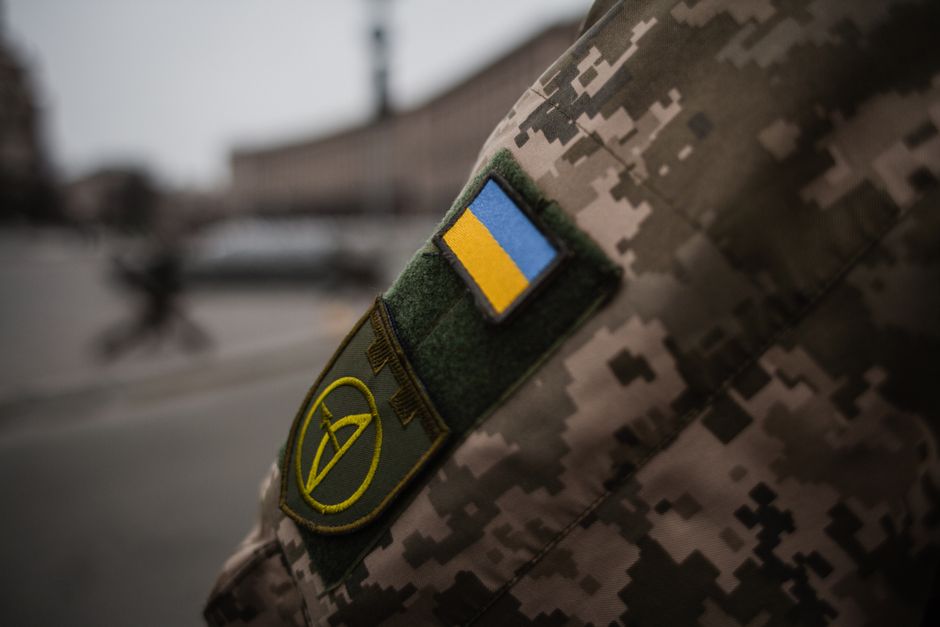
Balancing Act frames the debate here: The future of Europe hinges on a precarious balance of power. As the North Atlantic Treaty Organization (NATO) grapples with new threats and evolving alliances, the question of whether it can adapt to a changing landscape looms larger than ever. With tensions escalating between NATO members and external adversaries, the dynamics of Europe are shifting in real time.
According to Britannica, NATO was established in 1949 as a collective defense alliance among 30 countries, promoting stability and security across the North Atlantic. It operates under the principle of collective defense as defined in Article 5, which stipulates that an attack against one member is an attack against all.
The European Context of NATO’s Evolution
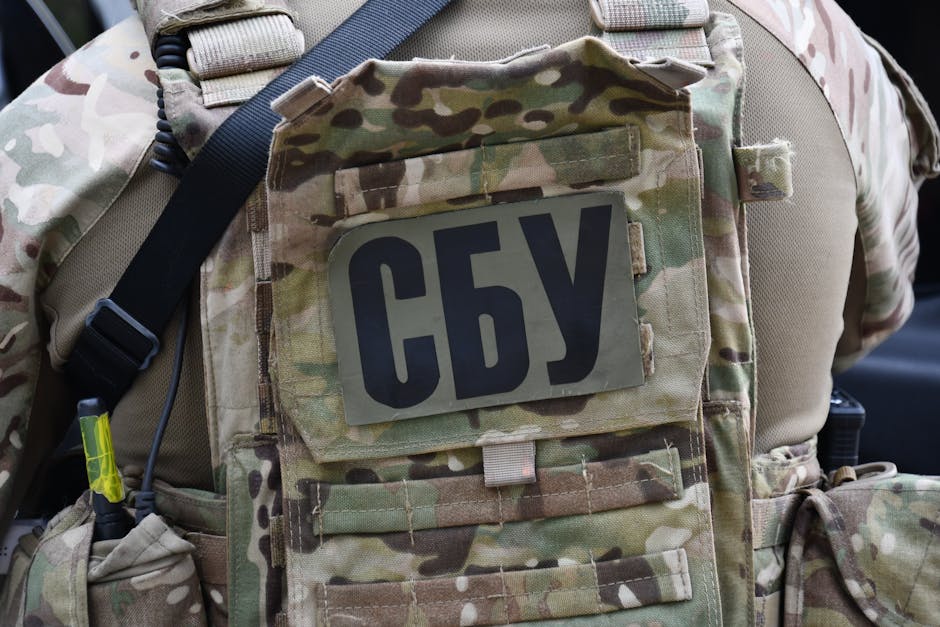
The importance of NATO in Europe cannot be overstated. Rooted in the aftermath of World War II, the organization was born out of a desire to prevent the rise of totalitarianism and maintain peace on the continent. Over the decades, NATO’s role has expanded, especially in the context of Russia’s aggressive posturing in Eastern Europe. The annexation of Crimea in 2014 was a wake-up call for many nations. It demonstrated that the threats to Europe’s security are not just historical relics but present realities. Moreover, with the advent of new global challenges—climate change, cyber warfare, and disinformation campaigns—NATO finds itself needing to evolve or risk irrelevance.
Recently, we’ve seen a growing divide within Europe itself regarding NATO’s direction. Some nations advocate for a stronger military presence while others prefer diplomatic solutions. This divergence reflects deeper fissures in European unity, and how NATO navigates these differences will significantly impact the broader stability of Europe.
Who Wins and Who Loses in the NATO Equation?
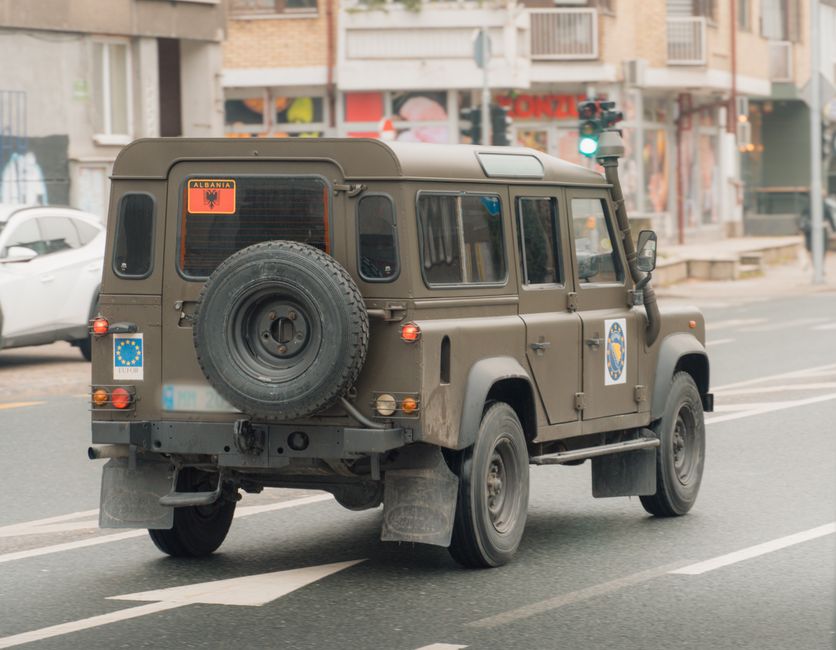
The stakes are high, and the potential for miscalculation is growing. If NATO continues to reinforce its eastern flank, it may deter aggression but could also escalate tensions with Russia. Conversely, a lack of decisive action may embolden adversaries not just in Europe but globally. The mainstream narrative often overlooks the complexity of these decisions; it’s not just about military might but about political will and public sentiment in member states.
In the game of geopolitics, the winners will be those who can adapt quickly. Nations that can balance military readiness with diplomatic engagement will thrive. On the flip side, those dragging their feet risk losing influence not only in Europe but in the global arena. It’s a tightrope walk that requires both courage and caution.

For NATO, the challenge is to remain relevant in a world changing faster than anyone anticipated. The future of Europe may very well depend on NATO’s ability to redefine itself in the face of new threats—real or imagined.
What remains undeniable is that the alliance’s fate will shape the very future of Europe—and perhaps the world. As the geopolitical chess game unfolds, one thing is clear: the implications of NATO’s decisions today will resonate for generations to come. Will it successfully navigate the treacherous waters ahead, or will it find itself adrift in a storm of its own making? The clock is ticking.
That tension around Balancing Act is not going away.
Source: Google — UK & Europe