
From Nagaland — the phrase sounds like a travel brochure, but it’s now the rallying cry of a film that has slipped out of India’s Bollywood shadow and onto the world‑stage. Angh, a gritty drama shot in the mist‑cloaked hills of the Northeast, just turned a Toronto Critics’ Circle award into a ticket to the Oscar race, and the ripple effect is already being felt in runway rooms and design studios far beyond the subcontinent.
According to BBC Asia, Angh clinched the top prize for Best International Feature at the Toronto International Film Festival, a win that automatically qualified it for Academy consideration. The film’s director, a newcomer from Nagaland, says the Oscar push is “a chance to let the world see stories that have been hidden for too long.”
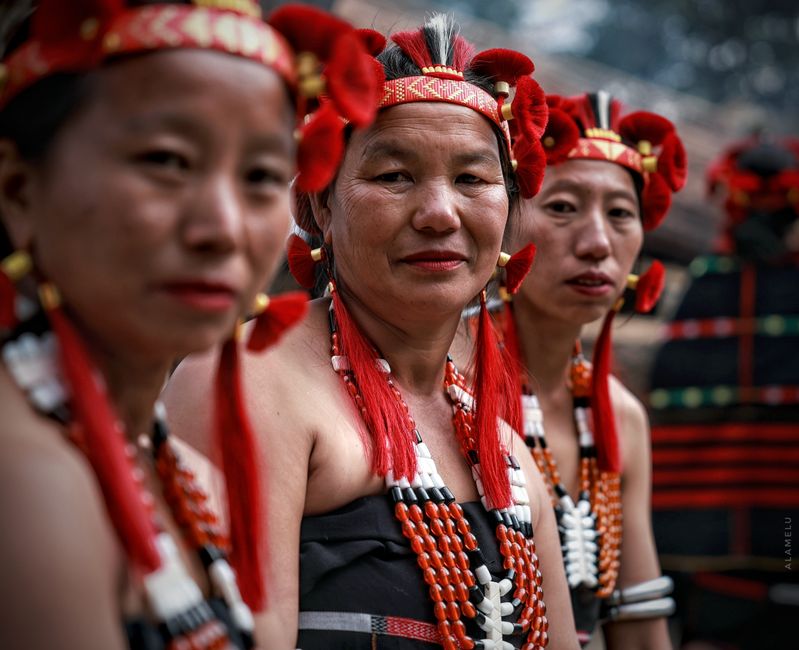
From Nagaland to the Global Spotlight: Why It Matters
The moment Angh arrived in Toronto, it forced a global audience to confront a cinematic blind spot that has persisted for decades. Mainstream Indian cinema has long been equated with glittering song‑and‑dance spectacles from Mumbai, while the diverse cultures of the Northeast have been relegated to footnotes. This film flips that script, showcasing a community whose rituals, dialects and everyday struggles have rarely been captured on celluloid.
The timing could not be more striking. In an era where streaming platforms scramble for authentic regional content, investors are suddenly eyeing the untapped visual wealth of Nagaland’s hills. Meanwhile, the Indian government’s recent push to promote “Incredible India” tourism has largely ignored the Northeast, despite its rich heritage. Angh’s Oscar bid therefore becomes a cultural lever, compelling policymakers to rethink funding formulas that have long favored the Hindi‑language market.
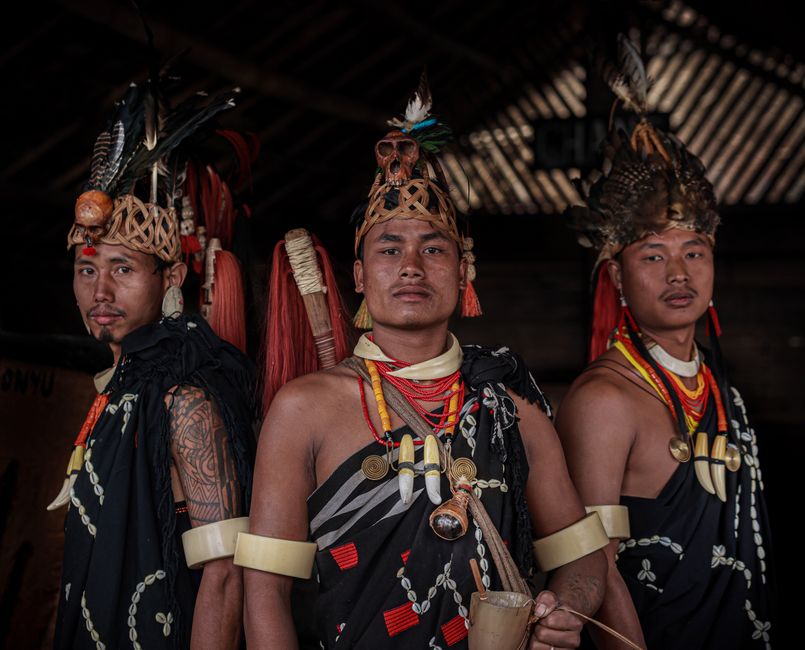
Moreover, the buzz is already spilling into fashion circles. Designers at New York Fashion Week have cited the film’s visual palette—earthy ochres, hand‑woven textiles, and the stark contrast of traditional headgear against modern backdrops—as a fresh source of inspiration. When a story “From Nagaland” starts appearing in style blogs, it signals that the region’s aesthetic is finally being recognized as a marketable asset, not just an exotic curiosity.
The Style Stakes: How Angh Redefines Indian Couture on Film
Angh does more than tell a story; it dresses it in a wardrobe that refuses to be reduced to costume. The film’s costume department collaborated with local weavers to source Naga shawls, bamboo‑woven bags and hand‑dyed pigments that have been passed down through generations. Each garment is treated as a character, signaling status, tribe affiliation and personal rebellion. In fact, the director has said that the visual language of clothing is as crucial to the plot as dialogue.
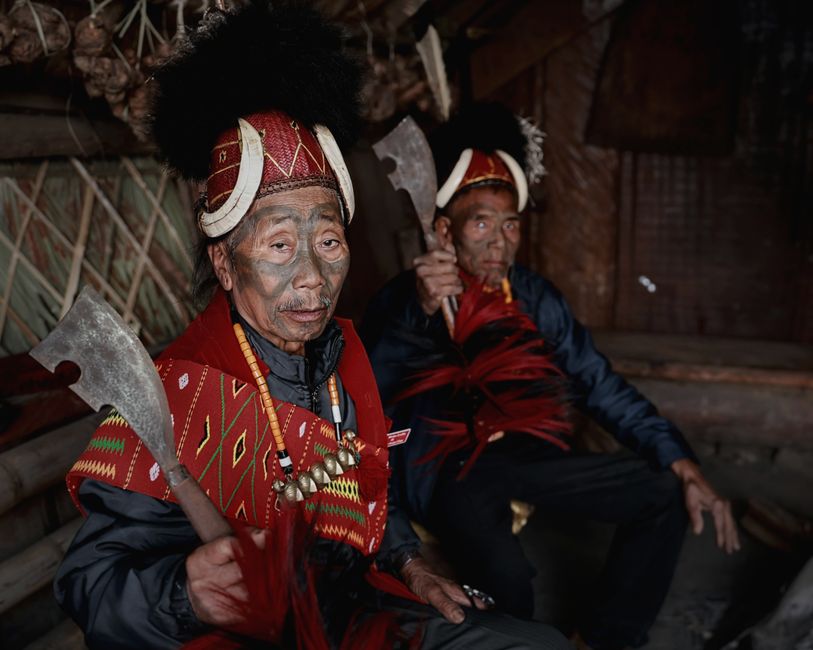
This meticulous attention to sartorial detail has rattled the Indian fashion establishment. High‑end boutiques that have traditionally showcased Mumbai‑centric designers are now fielding requests for Naga collaborations. Some critics argue that the hype could lead to superficial appropriation—fashion houses might cherry‑pick patterns without respecting the cultural narrative behind them. Yet the opposite camp insists that visibility is the first step toward economic empowerment for the region’s artisans, many of whom have survived on marginal wages.
The stakes are high for both sides of the aisle. If Angh’s Oscar campaign succeeds, it could open doors for a new wave of regional filmmakers, encouraging investors to fund projects that prioritize authentic visual storytelling over formulaic plots. Conversely, a flop would reinforce the entrenched belief that only Bollywood‑styled spectacles can sell internationally, potentially choking off future funding for culturally specific works. The mainstream media, meanwhile, seems content to celebrate the film’s “exotic” appeal while glossing over the systemic barriers that have kept Nagaland’s talent on the periphery.
What the industry is missing is the long‑term commercial upside of integrating genuine regional aesthetics into global fashion narratives. The film’s success proves that audiences crave authenticity, and designers who ignore that demand risk being left behind. As the Oscar ballots are tallied, the real verdict may come not from the Academy but from the runway, where “From Nagaland” could become the next mantra for sustainable, story‑driven couture.
The world is watching a modest film from the hills of Nagaland, but the real drama unfolds in boardrooms and design studios that must decide whether to honor the culture that inspired them or to simply harvest its visual cachet. If Angh lands an Oscar nomination, it won’t just be a trophy for a director—it will be a passport for an entire region to finally walk the global style catwalk on its own terms.
Source: BBC Asia