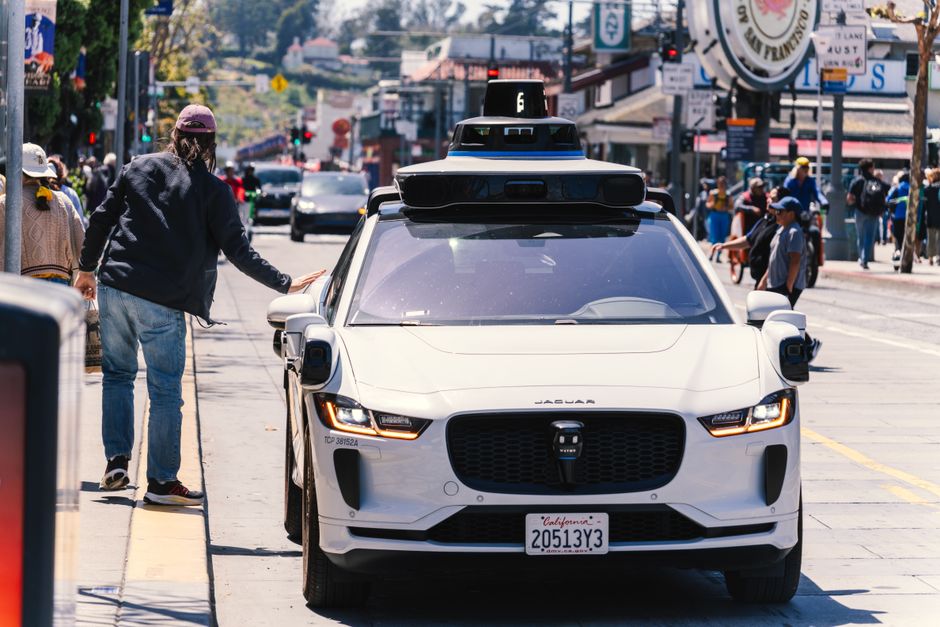
Is Waymo’s custom chip strategy a stroke of genius, or simply another expensive detour on the winding road to truly autonomous urban environments? The constant quest for technological supremacy in the realm of *Mobility* reveals more than just engineering challenges; it exposes the fierce battle for market control and the political stakes involved.
According to TechCrunch Mobility, Waymo, Alphabet’s self-driving division, is doubling down on its robotaxi ambitions through the development of a proprietary custom chip. This isn’t just an upgrade; it’s a foundational shift, signaling a deeper integration of hardware and software designed to optimize performance specifically for their autonomous vehicle fleet.
The Shifting Landscape of Autonomous Mobility
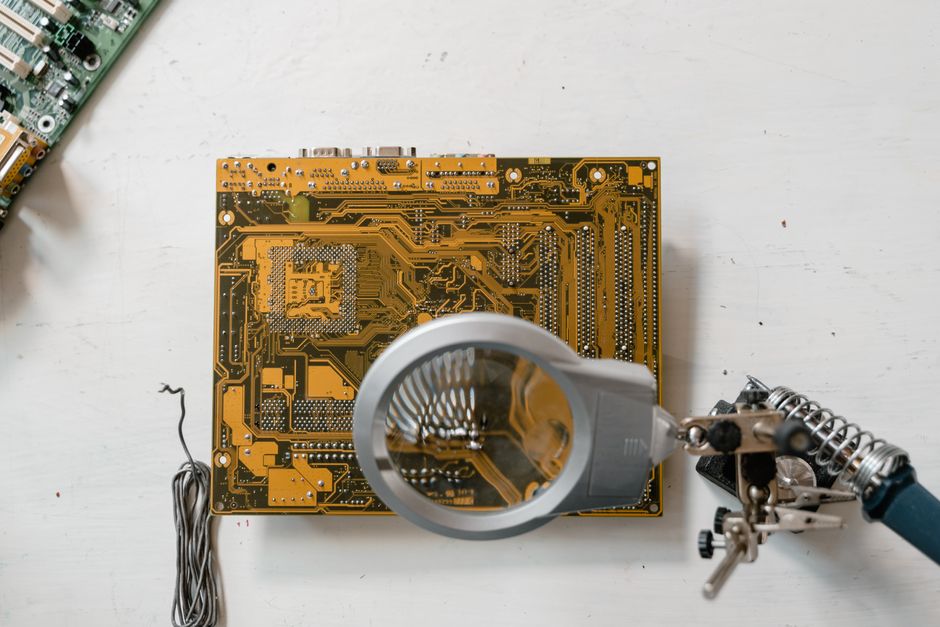
This move by Waymo arrives at a crucial juncture for the autonomous vehicle industry. After years of sky-high valuations and ambitious promises, the sector has seen its share of setbacks, from regulatory hurdles to public skepticism regarding safety. Developing custom silicon is a familiar play from tech giants like Apple and Tesla, aiming to achieve unparalleled efficiency and control over their product ecosystems.
However, this isn’t merely a Silicon Valley engineering feat. The implications for the future of urban infrastructure, job markets, and indeed, national innovation strategies in places like the US and UK are profound. Governments worldwide are grappling with how to regulate, tax, and integrate these complex systems into existing frameworks. The company that cracks the code on truly scalable, reliable autonomous *Mobility* will wield immense power, influencing everything from public transport policy to urban planning and even national security.
The weekend’s political chatter, often focused on economic competitiveness and technological leadership, underscores this point. The US, eager to maintain its tech dominance, watches closely as its domestic champions push boundaries. Meanwhile, the UK, post-Brexit, is keen to foster its own tech ecosystem and attract investment in cutting-edge industries. Waymo’s progress, therefore, isn’t just corporate news; it’s a barometer for where critical innovation is heading and how it might impact the geopolitical landscape.
The Real Stakes of Waymo’s Custom Chip Gamble
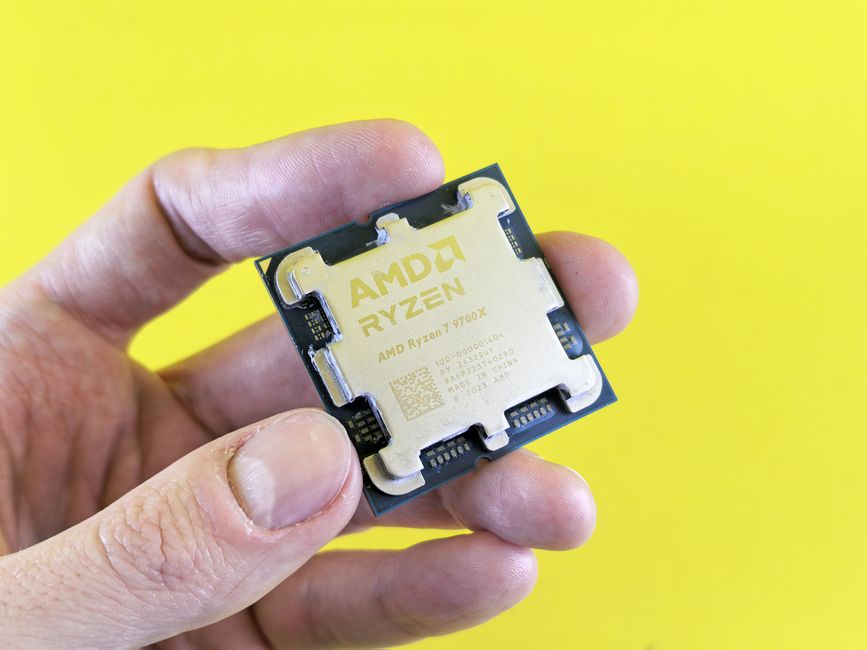
The strategic rationale behind a custom chip is clear: superior performance, better power efficiency, and tighter security controls than off-the-shelf solutions. This could theoretically provide Waymo with a significant competitive edge, allowing their robotaxis to process data faster and react more intelligently in real-world scenarios. It’s an attempt to eliminate external dependencies and optimize every nanosecond of operation.
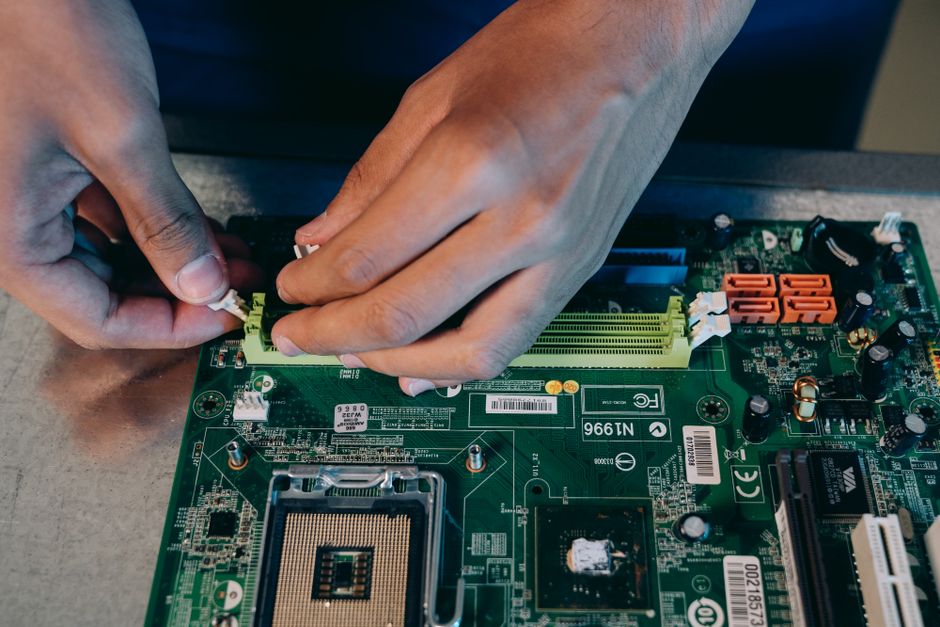
However, this vertical integration isn’t without its risks. Designing and manufacturing custom chips is incredibly capital-intensive and time-consuming. It diverts immense resources that could otherwise be spent on software development, fleet expansion, or public education initiatives. Moreover, it creates a single point of failure within Waymo’s supply chain; any disruption in chip production could cripple their entire operation.
Furthermore, this proprietary approach risks alienating potential partners or limiting the broader adoption of their technology by other players who might prefer open standards. While Waymo seeks dominance, a more collaborative, standardized approach could accelerate the overall development and public acceptance of autonomous *Mobility*. The mainstream narrative often celebrates innovation, but rarely dissects the inherent trade-offs between proprietary control and industry-wide progress.
This push for bespoke hardware also raises questions about accessibility and affordability. If autonomous *Mobility* becomes reliant on highly specialized, expensive custom components, will it truly democratize transportation, or simply create a new elite tier of users? These are not trivial questions, particularly as policymakers in both the US and UK consider how to ensure equitable access to future technologies.
The Waymo gamble isn’t just about silicon and software; it’s a high-stakes play for the very definition of urban *Mobility* in the 21st century. It’s a testament to the idea that true innovation often requires complete control over the entire technology stack. Yet, it also reminds us that such ambition comes with colossal costs and potentially unforeseen consequences for an industry still struggling to earn widespread public trust.
Will this custom chip be the catalyst that finally unlocks the full potential of driverless cars, or will it prove to be another expensive lesson in the complex journey toward ubiquitous autonomous transportation? The answer will undoubtedly shape not just Waymo’s future, but the very fabric of our cities and economies.
Source: TechCrunch