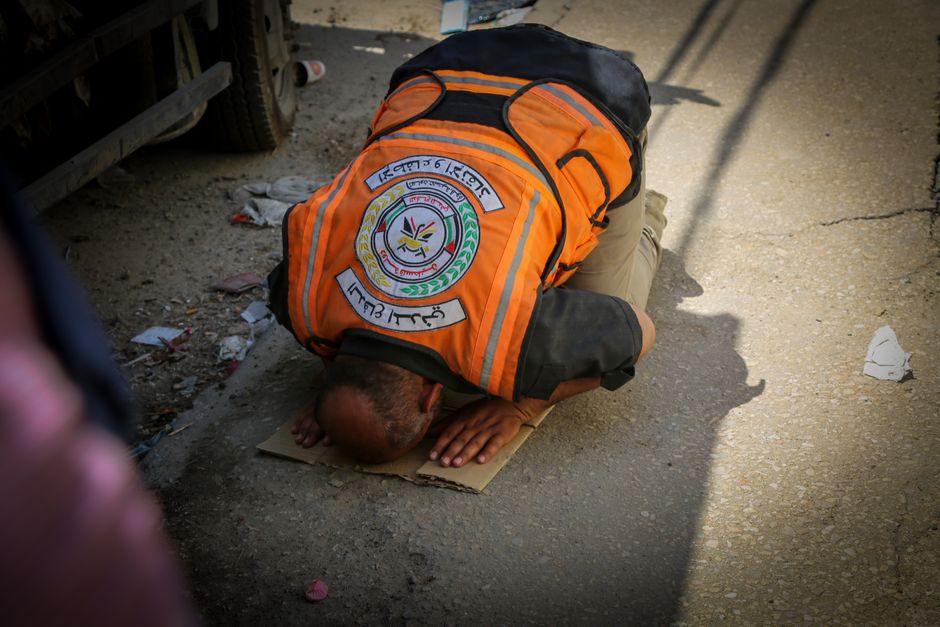
What does it say about the world when an aid worker, a man who brought fleeting joy to children in Gaza by organizing World Cup screenings, becomes just another casualty of an Israeli military operation? It speaks volumes about the brutal realities on the ground, where even the simplest acts of humanity are fraught with deadly peril. This isn’t just a tragedy for one family; it’s a stark reflection of a conflict that devours everything in its path.
According to BBC Middle East, Mohammed al-Wahidi, a prominent humanitarian figure known for his efforts to bring a sense of normalcy to Gaza’s besieged population, was killed in an Israeli strike. His death marks yet another devastating blow to the already fragile fabric of life within the Palestinian territory.
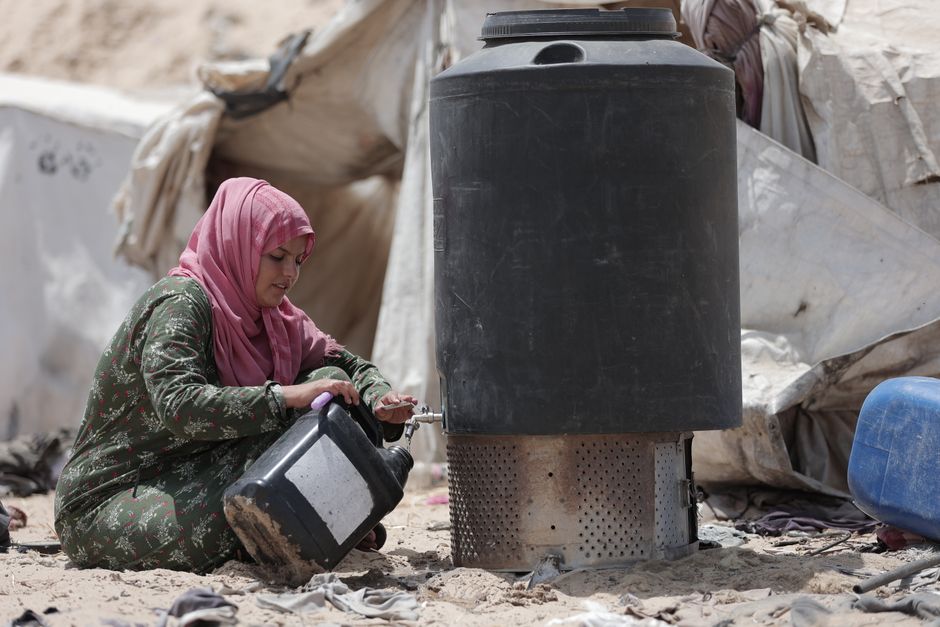
The Unseen Toll of Israeli Operations
Al-Wahidi’s story is a microcosm of Gaza’s enduring suffering, yet it also highlights an extraordinary resilience. Before the war intensified, he was an ordinary man with an extraordinary idea: to offer communal World Cup screenings. These events, seemingly minor in the grand scheme of things, were powerful symbols of hope and connection amidst grinding poverty and isolation. They were moments of collective escape, however brief, from the suffocating reality of life under blockade.
When the Israel-Hamas war escalated, al-Wahidi pivoted his efforts. He became a crucial aid worker, navigating the impossible conditions to deliver vital assistance to those displaced and desperate. His prominence grew not through political grandstanding, but through sheer dedication to his community. He was a face of local humanitarianism, bridging the gap between international aid and ground-level needs. His work underscored the profound human cost of prolonged conflict, where basic survival becomes a daily struggle for millions.
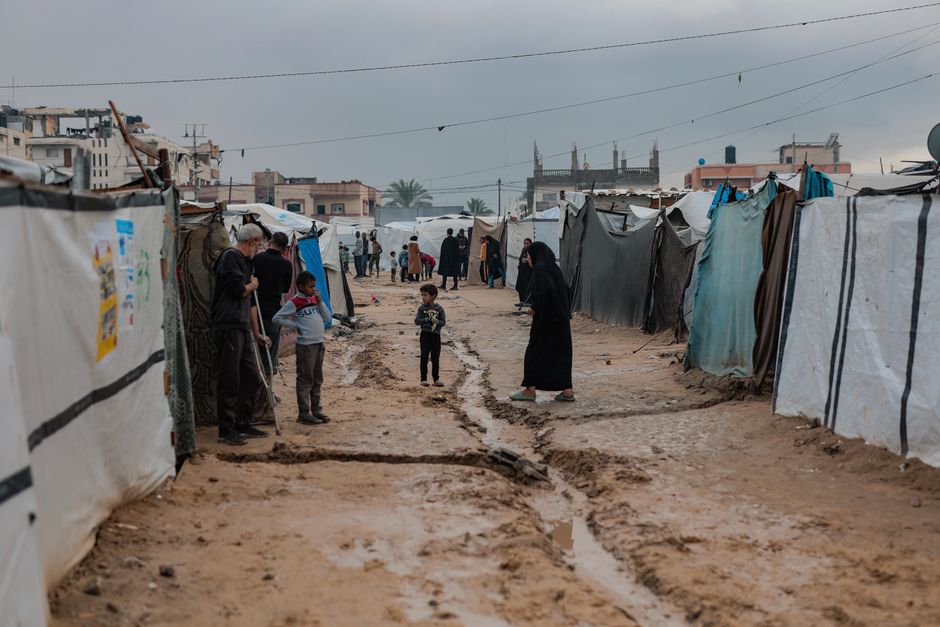
This context is vital because it explains *who* was lost. It wasn’t just another name on a casualty list; it was someone actively trying to rebuild, to provide solace, to protect the innocent. His demise raises uncomfortable questions about the rules of engagement and the increasingly perilous environment for humanitarian workers in active conflict zones. The sheer scale of destruction and loss of life in Gaza has created a humanitarian catastrophe of unprecedented proportions. Therefore, individuals like al-Wahidi are not just valuable; they are indispensable.
More Than Just a Statistic: An Israeli Strike’s Deeper Message
The killing of Mohammed al-Wahidi transcends individual grief; it carries a potent, disturbing message for the international community. It forces us to confront the question: what constitutes a safe zone when those delivering essential aid or even offering cultural respite are targeted, whether intentionally or not? His death erodes the already wafer-thin trust that humanitarian operations can proceed without extreme risk. This isn’t about blaming, but about accountability and the persistent, tragic pattern of Israeli military engagements in civilian areas.
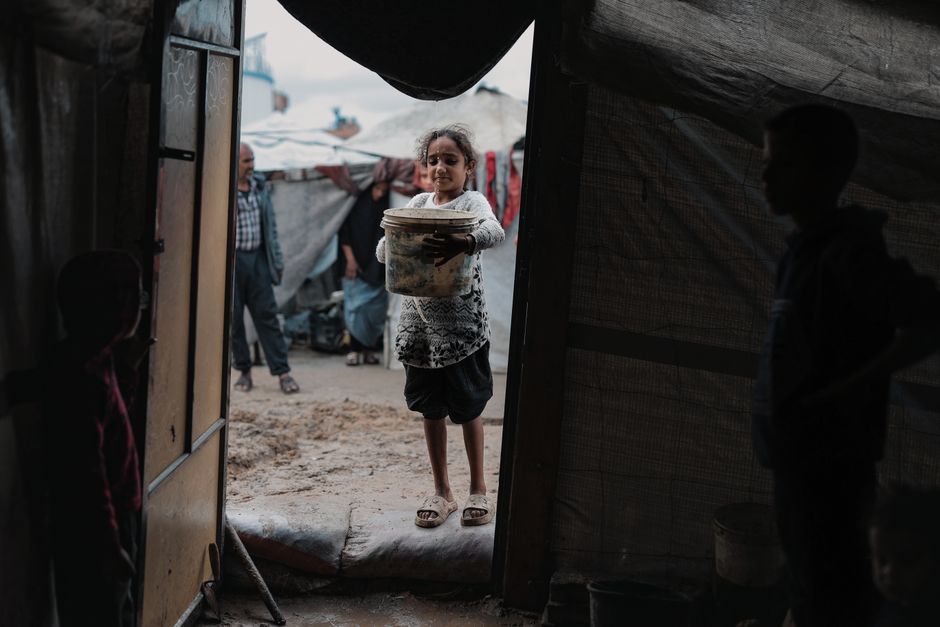
Critics might argue that Gaza is a war zone, and tragically, civilians, including aid workers, are caught in the crossfire. However, this simplistic framing ignores the systematic erosion of humanitarian space. It dismisses the specific role al-Wahidi played and the symbolic impact of his loss. The narrative often focuses on grand strategies or political posturing, overlooking the individual stories extinguished by Israeli actions and their ripple effects on a traumatized population. Every aid worker killed is not just a personal tragedy, but a blow to the collective effort to alleviate suffering.
Furthermore, the mainstream media often presents such incidents as regrettable but unavoidable consequences of war. This perspective, however, overlooks the deeper psychological toll on those left behind. When figures like al-Wahidi are lost, it’s not just food or water that stops flowing; it’s hope, community spirit, and the belief that someone is fighting for their future. The message sent is one of utter vulnerability, that no one, no matter how dedicated to peace or aid, is truly safe. This creates an environment of despair, making any path towards recovery infinitely harder.
The stakes are incredibly high. The continued loss of humanitarian personnel, particularly those embedded within the community, could lead to a catastrophic breakdown of aid delivery. Who ultimately loses? The millions of Palestinians who rely on these individuals for their very survival. Who gains? No one, except perhaps those who benefit from chaos and further destabilization. The cycle of violence deepens, fueled by despair and a perceived lack of protection for those who serve the most vulnerable.
This tragic incident must serve as a stark reminder. It is not enough to merely express condolences. There must be a rigorous examination of the circumstances, and a renewed, unequivocal demand for the protection of all aid workers in conflict zones. The world cannot afford to normalize such losses.
How many more Mohammed al-Wahidis must fall, their acts of kindness and humanity extinguished, before the world demands an end to this relentless, dehumanizing conflict and guarantees the safety of those who dare to bring light into the darkest corners?
Source: BBC Middle East