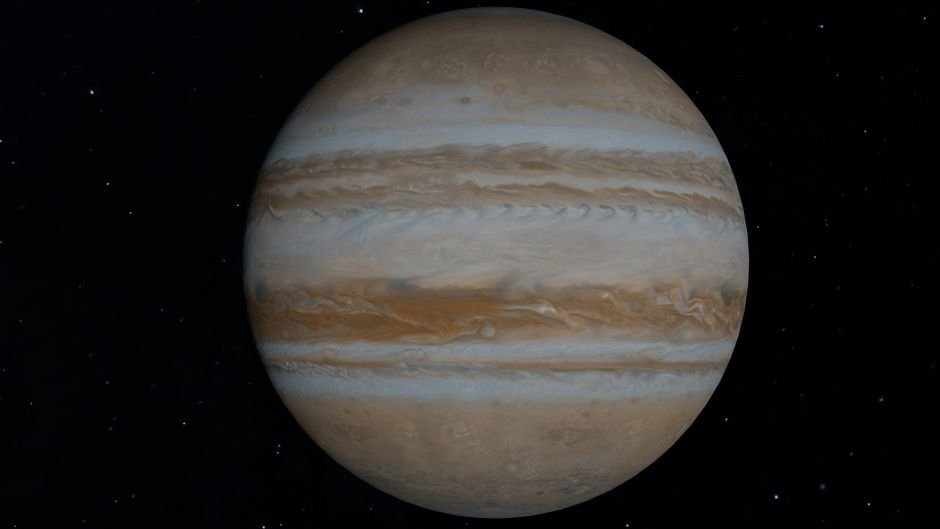
James Webb frames the debate here: Is science finally unraveling the mysteries of the universe, or are we merely scratching the surface? The recent discovery of a giant planet by the James Webb Space Telescope challenges everything we thought we knew about the cosmos. This celestial body, with surprisingly Earth-like temperatures, is reigniting conversations about life beyond our planet.
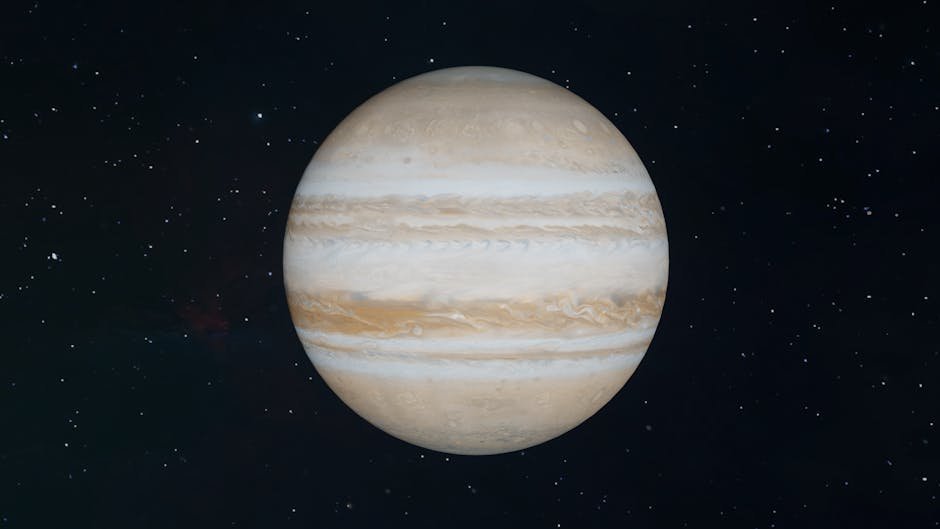
According to ScienceDaily, astronomers have identified a rare giant planet that shares crucial temperature similarities with Earth. This finding is pivotal as it opens up new avenues for understanding planetary formations and the potential for life elsewhere in the universe.

The Intersection of Science and the Cosmos
Why does this matter right now? As humanity faces existential crises on Earth—from climate change to geopolitical instability—our gaze naturally drifts towards the stars. The James Webb’s revelation signals more than just a scientific achievement; it embodies our innate desire to explore the unknown. This planet’s Earth-like temperatures suggest conditions that could support life, raising the tantalizing possibility that we are not alone.
The players in this cosmic drama include not just astronomers but also the public, who have shown a growing interest in space exploration. Nations are vying for a stake in the space race, with funding and resources being funneled into science projects that promise to unveil the universe’s secrets. In this context, the discovery by the James Webb mission can be seen as a rallying cry for greater investment in science and technology, especially in regions like the Middle East and South Asia, where scientific advancements could pave the way for stability and progress.
The Stakes of Scientific Discovery
What’s the hot take here? This discovery could either be a stepping stone for humanity’s future or a fleeting moment in a never-ending quest for knowledge. On one hand, it presents an opportunity for nations, particularly in the Middle East and South Asia, to invest in scientific infrastructure and education, potentially transforming their global standing. Imagine a future where these countries lead in space research, shifting the geopolitical landscape.
However, there’s a darker undertone to this excitement. As we push the boundaries of science, we risk overlooking pressing concerns here on Earth. Climate change, inequality, and resource scarcity are immediate threats that require our attention. The allure of discovery shouldn’t distract us from the challenges that humanity faces on our home planet. If we’re not careful, we might become so enamored with the stars that we ignore the world beneath our feet.
As we celebrate the triumphs of the James Webb Space Telescope, we must also engage in a broader dialogue about the future of science. Are we prepared to face the ethical dilemmas that arise from our discoveries? Will we use this knowledge for the betterment of humanity, or will we let competition and greed dictate our path?
In the end, this extraordinary finding is just the beginning. It beckons us to ponder not only what we will discover next but also how we will apply that knowledge. Will we strengthen our bonds as a global community, or will we allow divisions to dictate the course of human history? As we look up to the stars, let’s not forget the ground we stand on.
Source: Google — Space & Science