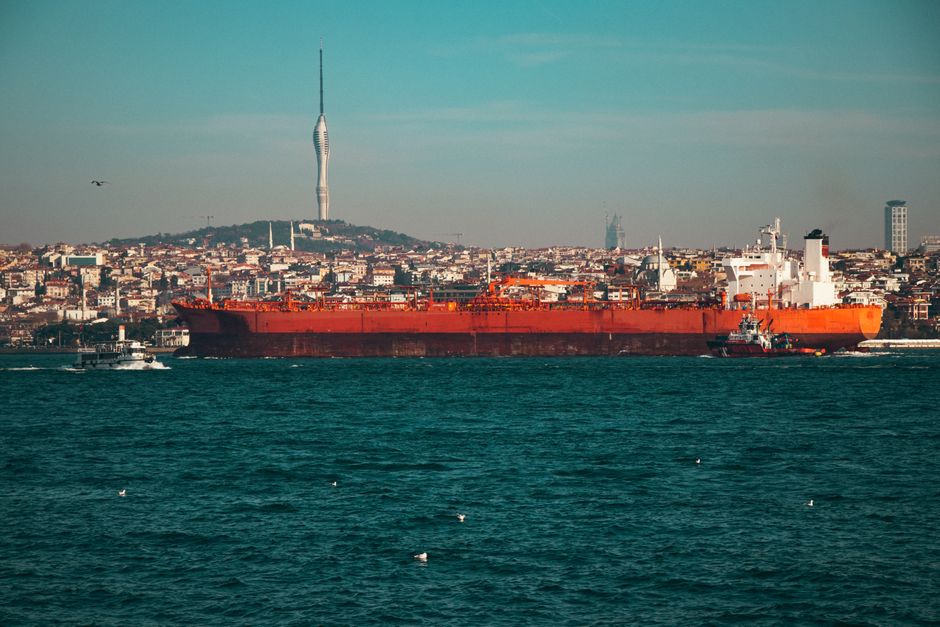
Don’t let the phrase “uneasy calm” fool you. What the BBC just reported **on** the Strait of Hormuz isn’t a return to normalcy, but a chilling snapshot of a volatile standoff. This isn’t a report from a region healing, but a window into a powder keg where the fuse is merely smoldering, waiting for the next spark.
According to BBC Middle East, their journalists became the first from a UK broadcaster to visit the Iranian side of the Strait in Bandar Abbas, observing both seized ships and local shark fishermen. This rare access, granted by Tehran, offers a glimpse into a strategic choke point often discussed but rarely seen up close by Western eyes.
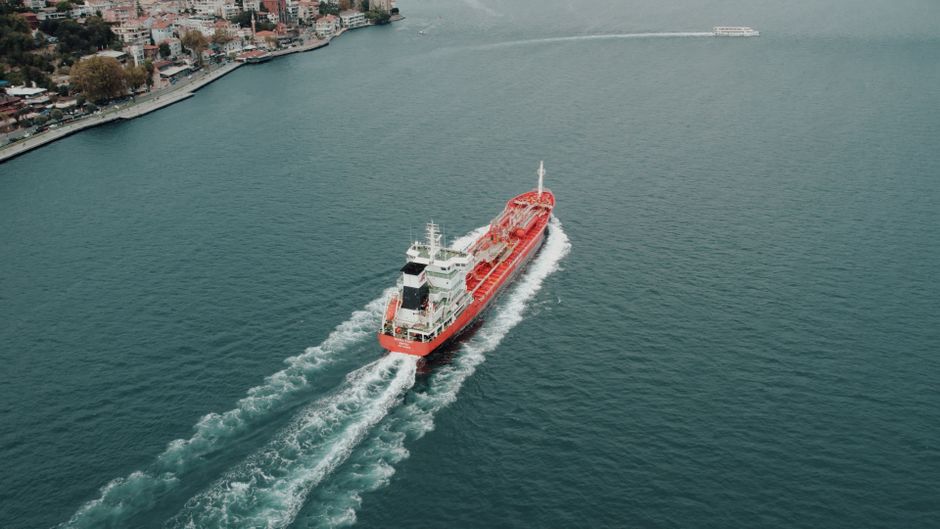
The Strategic Chessboard On the Strait
The Strait of Hormuz, a narrow waterway connecting the Persian Gulf to the open ocean, is a geopolitical fault line. It’s the transit point for roughly a fifth of the world’s total oil consumption, making it an indispensable artery for global energy markets. For decades, it has been a flashpoint, with Iran frequently asserting its control and leveraging its geographic position against perceived foreign aggression and sanctions. The presence of seized vessels, now rusting sentinels in Iranian ports, serves as a stark, physical reminder of past confrontations and Iran’s willingness to disrupt international shipping.
These seizures, often in retaliation for sanctions or other perceived slights, send ripples through global commodity markets and maritime insurance. Meanwhile, the lives of ordinary people, like the shark fishermen the BBC encountered, play out against this backdrop of high-stakes power politics. Their daily struggle for sustenance is a stark contrast to the grand strategic maneuvers unfolding around them, highlighting the human cost of geopolitical tension. The context here is clear: Iran views the Strait as its sovereign backyard, a defensive perimeter against external threats, while the international community insists on freedom of navigation.
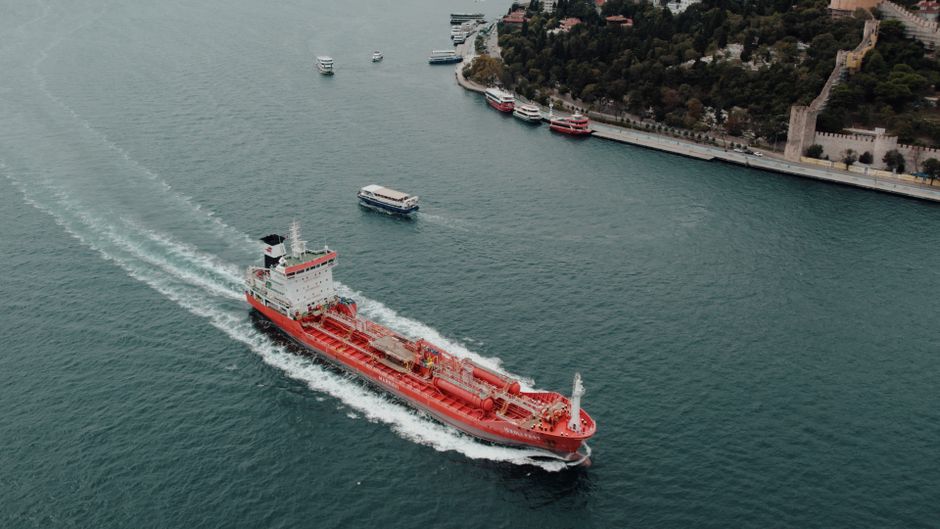
Beneath the Surface of “Calm”
The “uneasy calm” is a dangerous illusion. It suggests a temporary truce, not a resolution. In reality, it signifies a period of strategic calculation, not genuine peace. Iran, by allowing this limited access, may be subtly signaling both its confidence and its continued capability to project power in the region. The sight of those seized ships isn’t just an historical footnote; it’s a living threat, a promise of what could happen again. This isn’t about de-escalation; it’s about maintaining a tense equilibrium where the rules of engagement are constantly being redefined.
The mainstream narrative often overlooks Iran’s long-term strategic patience. While Western powers often react to individual incidents, Tehran plays a much longer game, using the Strait as a persistent lever in its broader foreign policy objectives. The presence of international naval forces in the area is a testament to the perpetual threat, yet it also underscores the delicate balance of power that exists. Any misstep, any overzealous act from either side, could quickly shatter this fragile quietude, with devastating consequences for global trade and regional stability. We must ask ourselves: who benefits from this “calm”? Iran consolidates its position, demonstrating its regional influence without firing a shot, merely by holding past transgressions in plain sight. Global consumers, on the other hand, operate on borrowed time, knowing that the cost of their energy could skyrocket at any moment if the Strait truly boils over.
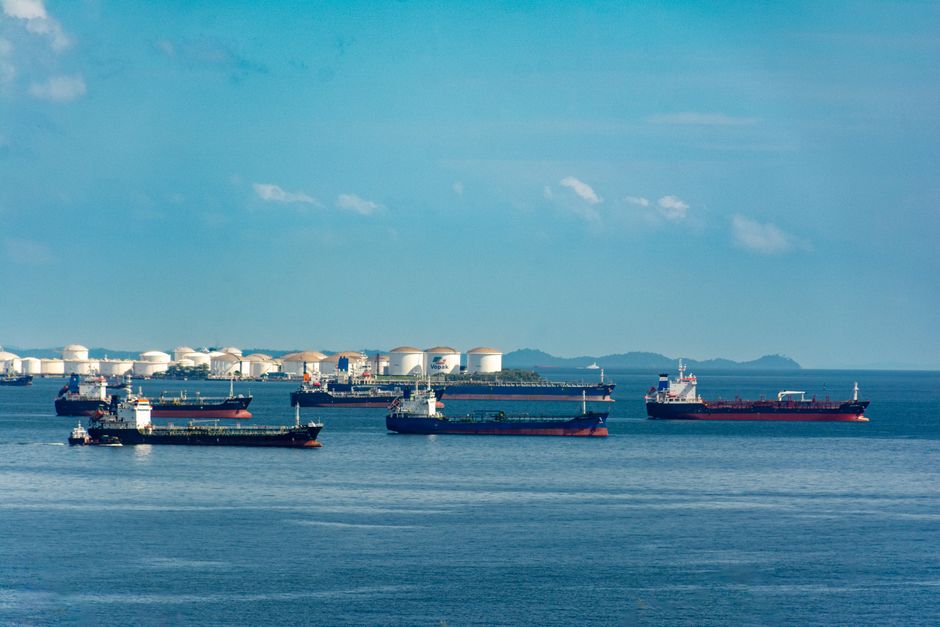
This isn’t merely about the flow of oil; it’s about the assertion of sovereignty, the enforcement of international law, and the precarious balance of power in a region where every actor has a deep-seated grievance. The sight of those fishing boats operating near detained vessels is a potent metaphor: ordinary lives are caught in the crosscurrents of extraordinary geopolitical tensions, completely exposed to the whims of larger forces.
The next week could see this “calm” tested. As Monday dawns, politicians and market analysts will be watching the Strait for any subtle shifts in posture or rhetoric. The real story isn’t the calm, but the volatile potential simmering underneath. Are we truly prepared for the inevitable disruption, or are we content to simply watch the shark fishermen, oblivious to the bigger predators lurking just beneath the surface?
Source: BBC Middle East