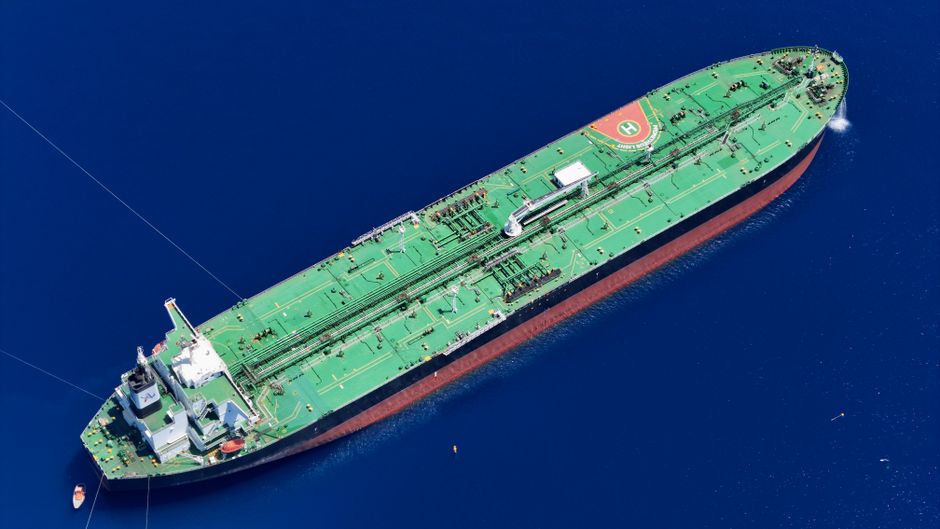
Iran oil frames the debate here: As the world watches, Iran is quietly making its move in the oil market, offering its crude to Indian refiners at a discounted price. This development comes after the U.S. waiver, which has opened up new opportunities for Iran to expand its oil exports. According to The Hindu, middlemen are now approaching Indian buyers with offers of Iranian oil, claiming it would be $3 to $4 a barrel cheaper than similar regional grades on a landed basis.
The Hindu reports that the National Iranian Oil Company (NIOC) is behind these offers, looking to capitalize on the waiver and increase its market share. This move is significant, as it could have far-reaching implications for the global oil market. Meanwhile, India’s energy needs continue to grow, making it an attractive market for oil exporters like Iran.
Iran’s Oil Export Strategy
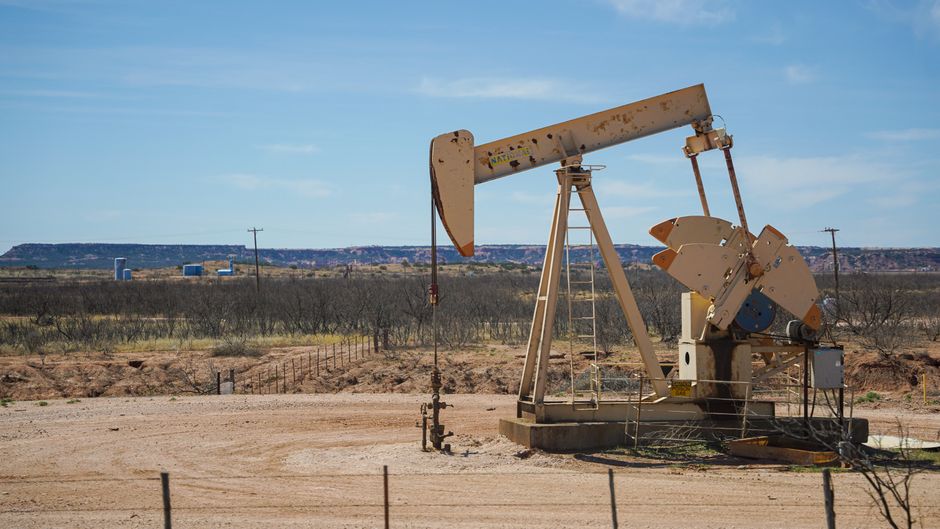
Iran’s decision to offer discounted oil to Indian refiners is a calculated move, aimed at increasing its market share in the region. By undercutting the prices of similar regional grades, Iran hopes to attract more buyers and boost its oil exports. However, this strategy also carries risks, as it could lead to a price war with other oil-producing countries. As a result, the outcome of this move will be closely watched by industry experts and analysts. In fact, Iran’s oil export strategy will be crucial in determining the country’s economic fortunes, given its heavy reliance on oil revenues.
On the other hand, India’s willingness to import Iranian oil is driven by its growing energy needs. As the country’s economy continues to expand, its demand for oil is increasing, making it an attractive market for exporters like Iran. Therefore, the partnership between Iran and India could be a win-win for both countries, with Iran gaining a new market for its oil and India securing a reliable supply of energy.
The Iran Factor in Global Oil Markets
The Iran factor is set to play a significant role in shaping the global oil market, particularly in the Asia-Pacific region. With its vast oil reserves and strategic location, Iran is well-placed to increase its oil exports and become a major player in the regional market. However, this will depend on various factors, including the country’s ability to navigate the complex geopolitical landscape and build strong relationships with key buyers like India. In the meantime, the global oil market will continue to watch Iran’s moves with interest, as the country looks to expand its oil exports and increase its influence in the region. As a result, Iran will remain a key player in the global oil market, with its actions having significant implications for the industry as a whole.
In the end, only time will tell if Iran’s strategy will pay off, but one thing is certain – the country is determined to increase its oil exports and become a major player in the global market. With its rich oil reserves and strategic location, Iran has the potential to become a key player in the industry, and its partnership with India could be just the beginning. As the world watches, Iran is poised to make its mark on the global oil market, and its actions will have far-reaching implications for the industry.
That tension around Iran oil is not going away.
Source: The Hindu