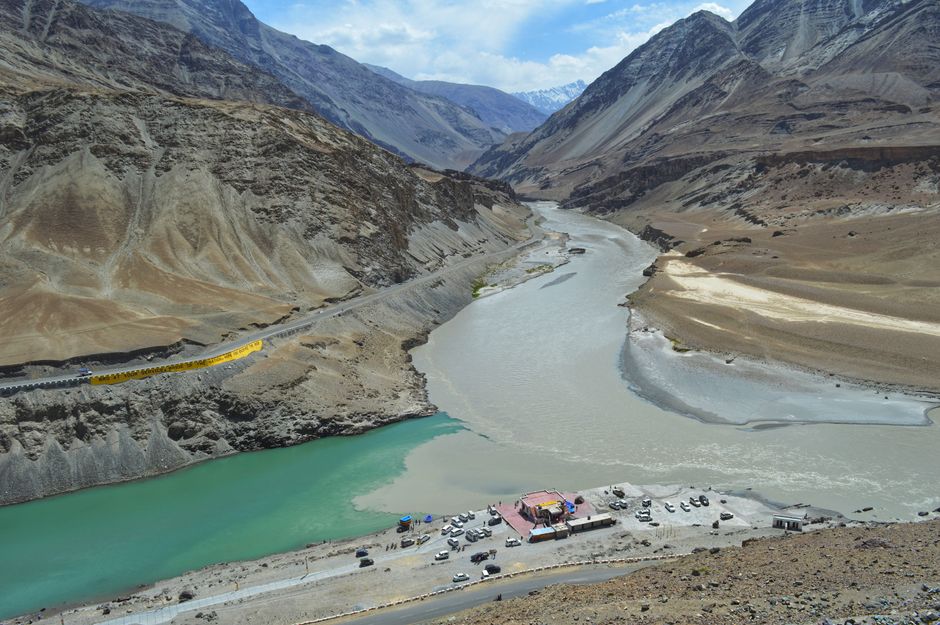
Another day, another international court attempts to dictate how a sovereign nation manages its own vital resources. The Hague has once again weighed in, declaring the **Indus Waters** Treaty unequivocally in force. But the real question isn’t *if* the treaty stands, but *who* holds the power when national interest clashes with decades-old international agreements.
According to reports from NewsAPI:q, the Hague court recently affirmed the continued validity of the Indus Waters Treaty. Furthermore, it explicitly stated that India must observe its obligations regarding hydroelectric projects on the Western Rivers, putting a spotlight on New Delhi’s infrastructure ambitions.
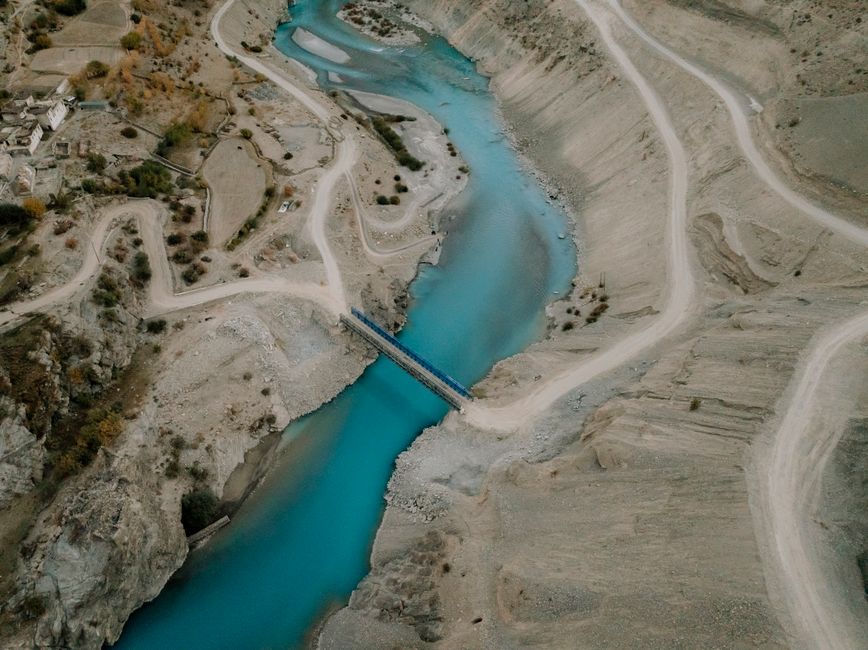
The Unyielding Grip of the Indus Waters Treaty
This isn’t just about a court ruling; it’s about the enduring legacy of a 1960 pact that has been both a lifeline and a flashpoint for India and Pakistan. The Indus Waters Treaty, brokered by the World Bank, carved up control of the six rivers of the Indus system. It granted India exclusive use of the Eastern Rivers (Ravi, Beas, Sutlej) and Pakistan exclusive use of the Western Rivers (Indus, Jhelum, Chenab), with India permitted only limited, non-consumptive uses like run-of-the-river hydroelectric projects on the Western Rivers. This arrangement was designed to prevent water disputes from escalating into larger conflicts between the two nuclear-armed neighbors.
For decades, the treaty has largely held, even through wars and heightened tensions. However, India’s burgeoning energy needs and its push for development in regions like Jammu and Kashmir have led to the planning and construction of several hydroelectric projects on the Western Rivers. These projects, while India insists they adhere to treaty provisions, have consistently raised alarm bells in Pakistan, which fears reduced water flow essential for its agriculture and economy. Pakistan’s repeated objections often lead to arbitration, bringing in international bodies like the Permanent Court of Arbitration at The Hague. This latest ruling underscores the international community’s insistence that the **Indus Waters** Treaty remains the bedrock of water sharing in the region, regardless of evolving national priorities or perceived slights. It’s a powerful statement on the sanctity of international agreements, even when they chafe against contemporary realities.
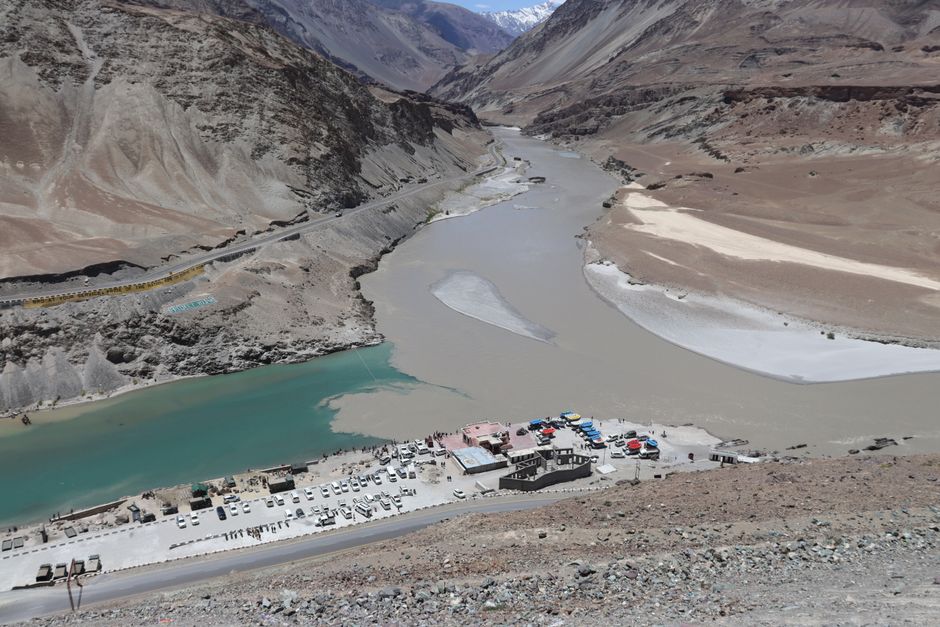
Sovereignty, Scrutiny, and Strategic Stalemate
This ruling is a stark reminder that even the most powerful nations operate within a web of international law and treaties. For India, it’s a direct challenge to its right to develop infrastructure on what it considers its own territory, albeit territory subject to specific international obligations. New Delhi often views Pakistan’s complaints as attempts to hinder its development or as a proxy for broader political grievances. However, the Hague court’s position is clear: the letter of the **Indus Waters** Treaty must be upheld. This isn’t just about water; it’s about international credibility and the delicate balance of power in a volatile region. If India disregards such rulings, it risks diplomatic isolation and potentially further international scrutiny, which could impact other aspects of its foreign policy and trade relations.
On the other hand, for Pakistan, this judgment is a significant diplomatic victory. It reaffirms their long-held position that India’s projects on the Western Rivers must strictly conform to the treaty’s limitations. It provides leverage and validates their concerns on a global stage, bolstering their arguments in future disputes. Yet, victories in court do not always translate to immediate changes on the ground. Enforcing such a ruling, particularly against a large and increasingly assertive nation like India, presents its own set of challenges. International law, after all, often relies on voluntary compliance and diplomatic pressure rather than direct enforcement mechanisms. The real test will be how India responds: whether it chooses to adjust its project designs and operations to fully comply, or if it will seek alternative interpretations or even challenge the authority of the court in the long run. The mainstream narrative often frames this as a simple legal matter, but it’s a deeply political one, intertwined with national pride, energy security, and regional stability. This isn’t merely about water flow; it’s about the very definition of sovereign rights versus multilateral responsibility.

Ultimately, this ruling ensures the Indus Waters Treaty remains a powerful, if sometimes inconvenient, force. It binds both nations, compelling them towards dialogue and compliance, even as it highlights the inherent tensions in their relationship. The rivers may flow, but their political currents remain turbulent.
Source: NewsAPI:q