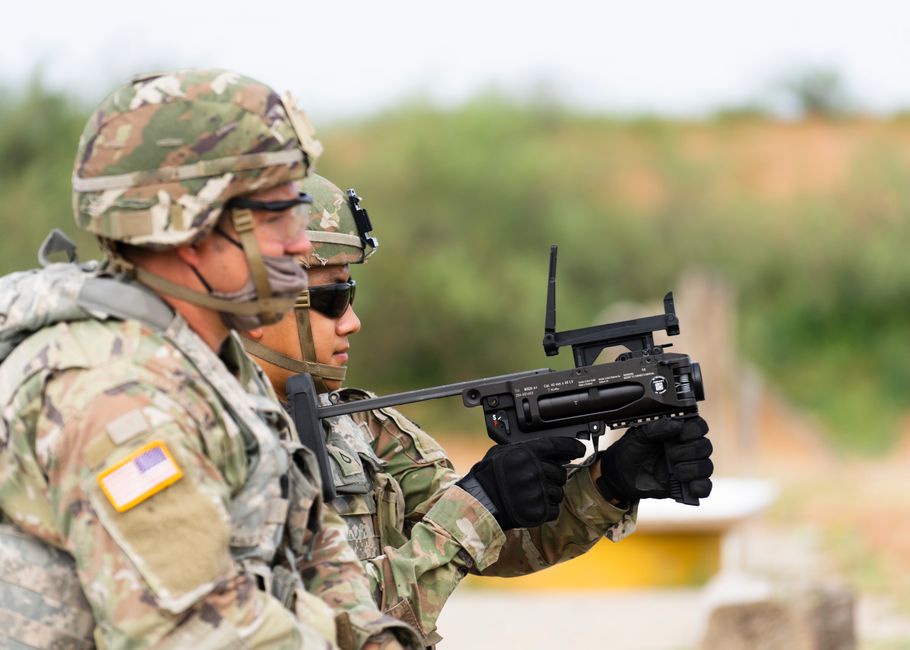
What exactly are US and Japanese soldiers doing in the middle of the Australian bush? It’s a question that cuts through the usual geopolitical noise, demanding attention from anyone who understands the shifting sands of global power. Thousands of kilometres from any active conflict, these troops are sending a message that is anything but subtle.
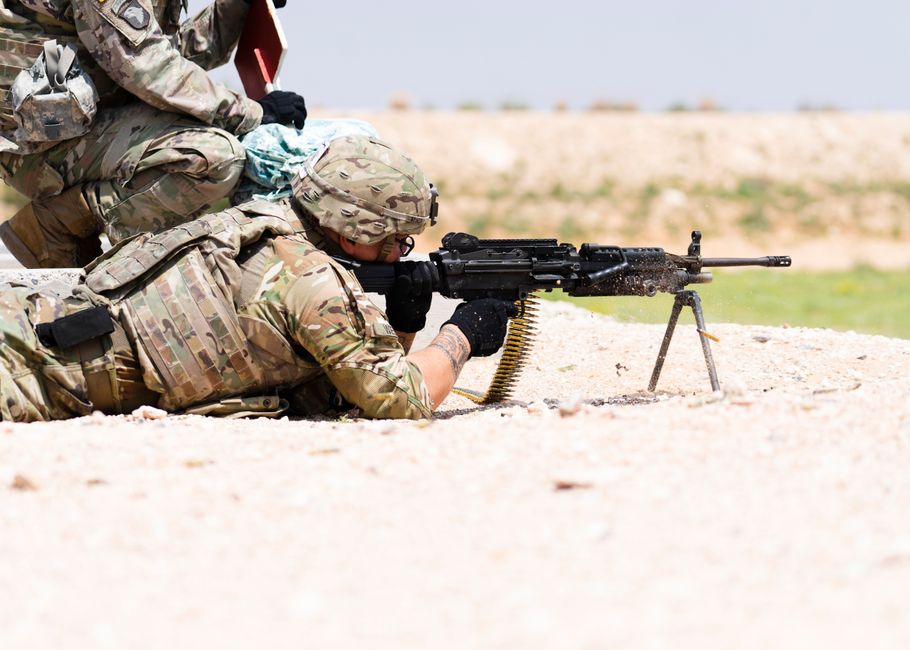
According to BBC Asia, military personnel from the United States and Japan are currently engaged in extensive training exercises deep within remote Australian territory. These drills are taking place far from their home bases, underscoring a strategic pivot towards the Indo-Pacific region.
The Broader Picture: What’s Driving This Alliance?
This isn’t just about soldiers sweating it out in the Outback; it’s a meticulously choreographed display of unity and deterrence. The backdrop, of course, is the increasingly assertive stance of China in the South China Sea and its growing influence across the Indo-Pacific. For years, the region has watched as Beijing expanded its naval capabilities and built artificial islands, effectively redrawing maritime boundaries to its advantage. This aggressive posture has undeniably rattled Washington, Tokyo, and Canberra.
The US, under multiple administrations, has been recalibrating its foreign policy, shifting focus from the Middle East to what it now considers the most strategically vital region: Asia. Japan, for its part, is slowly but surely shedding its post-war pacifist constraints, driven by a renewed sense of regional threat. Meanwhile, Australia finds itself on the front lines, a crucial geographic link in this evolving power dynamic, playing host to exercises like these that project power far beyond its own shores. This trilateral cooperation, often operating alongside other partners like India in the Quad framework, represents a clear signal of what these nations consider the primary challenge to regional stability.
The Real Stakes of Remote Training
Let’s be blunt: these exercises are not just about improving interoperability; they are a direct message to Beijing. They are a visible demonstration of a rapidly solidifying alliance, one designed to present a united front against any potential adventurism. Proponents argue this is purely defensive, a necessary measure to uphold the “rules-based international order” that China is perceived to be undermining. They contend that a strong, coordinated military presence is the only language some powers understand, preventing conflict by making the cost of aggression too high.
However, there’s another side to this coin, one often ignored in the rhetoric of reassurance. While intended to deter, such high-profile military drills can also be seen as provocative, feeding into a dangerous cycle of escalation. Every exercise, every new strategic partnership, every declaration of intent, draws battle lines a little sharper. The risk is that what starts as deterrence could easily be misconstrued, or even deliberately framed, as preparation for conflict. For smaller nations in the region, caught between the economic might of China and the security guarantees of the US-led alliance, this tightening military embrace is a source of profound unease. They want stability, not to be forced into picking sides in a looming great power confrontation.
On Monday, as markets open and diplomats resume their delicate dance, the implications of these Australian drills will undoubtedly factor into the calculus. Investor confidence in regional stability could be swayed by perceptions of either strengthened deterrence or heightened tension. What kind of signal does this send to global supply chains, already fragile? The critical question of what kind of future these exercises are building remains unanswered.
The dust kicked up by these US and Japanese boots in the Australian bush isn’t just settling on the remote landscape; it’s clouding the diplomatic horizon. This alliance, forged in the crucible of perceived threat, is a formidable force. Yet, the true test will be whether its show of strength fosters peace through deterrence, or inadvertently pushes the region closer to the very conflicts it seeks to prevent. The world is watching, holding its breath.
Source: BBC Asia