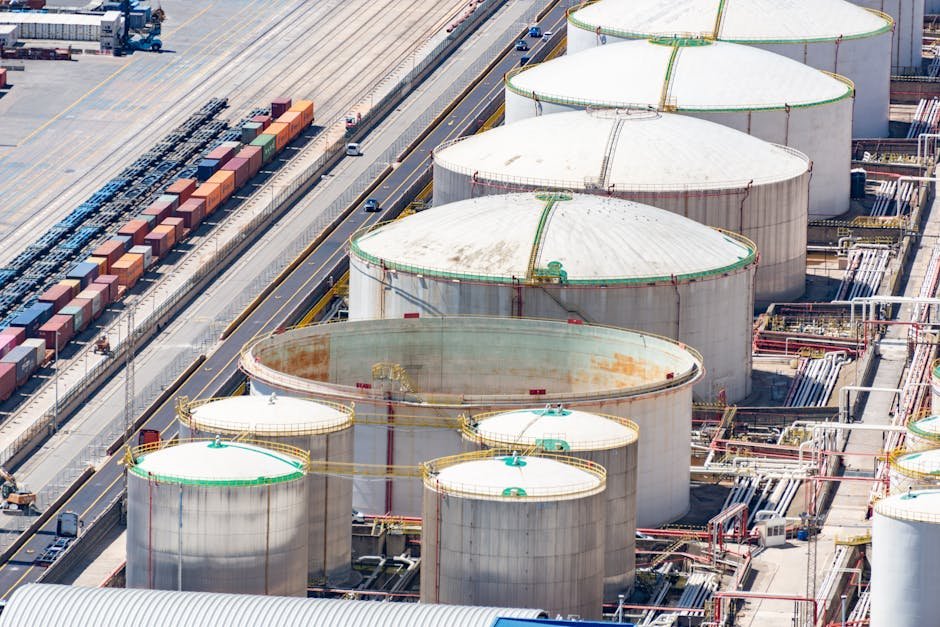
India Bold frames the debate here: India is scrambling to redefine its energy supply, and the implications for South Asia are seismic. The country has increasingly turned to Latin America and Africa for oil after disruptions in the Strait of Hormuz, a critical choke point for global oil transit. Is this a bold pivot or a desperate gamble?
According to Reuters, India is now seeking alternative oil sources from Latin America and Africa due to instability in its traditional supply routes. This shift signifies more than just a change in procurement; it underscores a strategic reorientation in India’s energy dependencies.
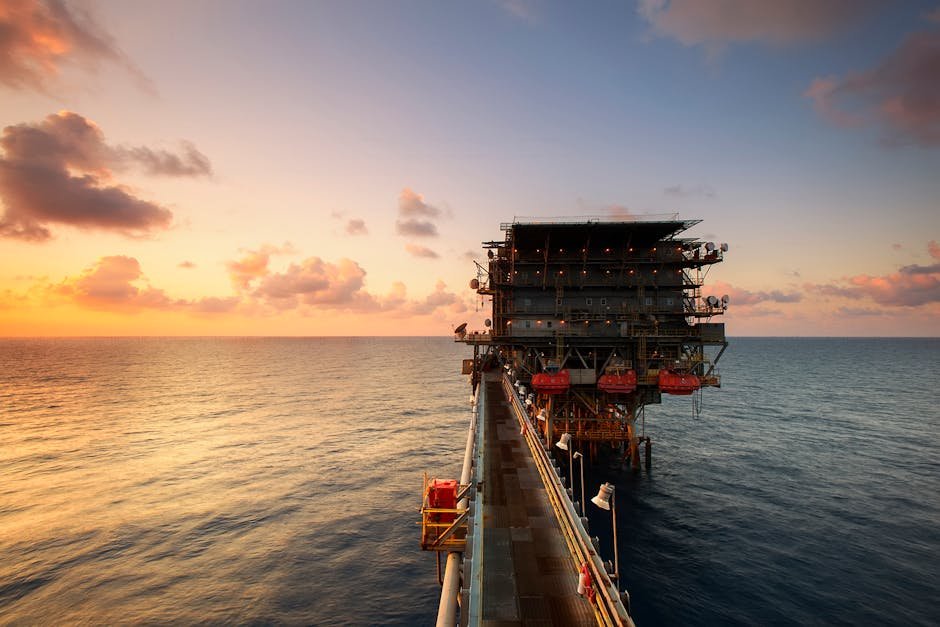
The Strategic Shift in South Asia’s Energy Landscape
The recent disturbances at Hormuz have rattled not just India, but the entire South Asian region. This vital waterway is responsible for transporting a significant portion of the world’s oil. With tensions simmering in the Middle East, India faces the risk of supply shortages affecting its burgeoning economy. The government is making a calculated move to diversify its oil imports, turning to Latin American and African nations that have been less affected by geopolitical strife.
For years, India has leaned heavily on Middle Eastern oil. However, with uncertainty becoming the new norm in global politics, particularly in the Gulf region, India’s pivot is not just opportunistic but essential. The question remains: will this shift to Latin America and Africa provide the stability India craves, or will it expose the country to new vulnerabilities?
Who Wins? Who Loses?
This decision could yield mixed outcomes. On one hand, Indian importers may benefit from lower prices and a more stable supply chain in the short term. Latin American and African oil producers may find new markets, bolstering their economies as they navigate their own challenges. However, this comes with potential pitfalls. Establishing new trade relations takes time, and logistics can be a nightmare, especially when dealing with regions that lack robust infrastructure for such large-scale exports.
Moreover, this shift could alienate traditional allies in the Middle East. India’s foreign policy has often relied on a delicate balance with Gulf nations. A significant reduction in oil imports from these countries could fracture these relationships, leading to long-term consequences for diplomacy and trade.
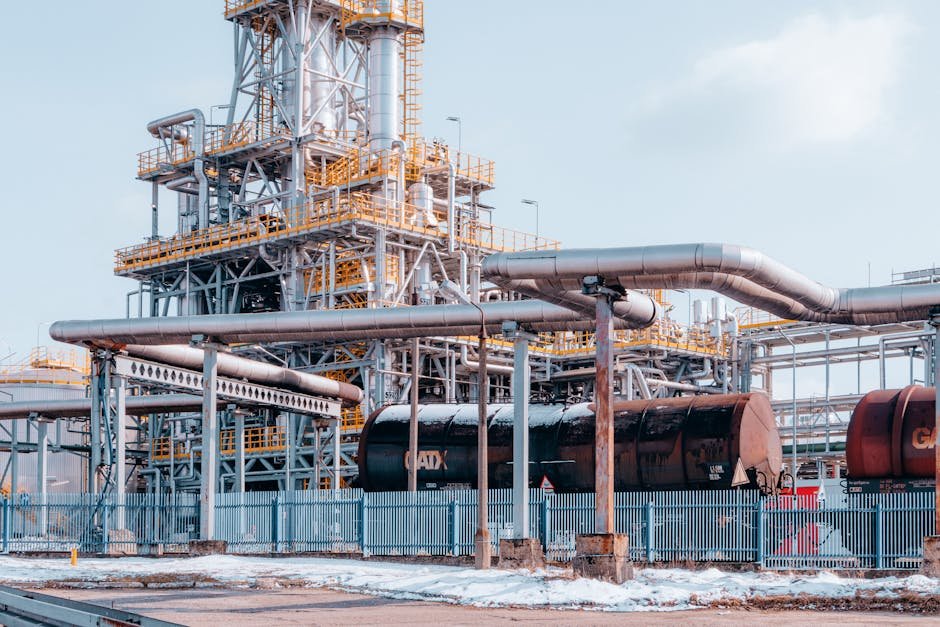
What’s often overlooked in mainstream discussions is the broader context of energy security. As global energy dynamics continue to shift, countries in South Asia must understand that relying on a diverse set of suppliers can mitigate risks associated with geopolitical delays or conflict. However, this does not come without its complexities, especially given that emerging markets in Latin America and Africa can also be unpredictable.
India’s move should be seen as a wake-up call for South Asia as a whole. The region, which is heavily reliant on oil imports, must consider similar diversifications in energy sourcing. Will this inspire a collective approach towards energy security amongst South Asian nations, or will it lead to competitive scrambling?
As the currents of global politics shift, we may be witnessing the dawn of a new era in South Asia—a region no longer content to be a passive consumer but rather an active player in the international energy arena.
In this game of global chess, can India manage to stay ahead? Or will the shadows of instability continue to loom over its energy strategies? The answers may redefine not just how South Asia secures its oil, but its very position on the world stage. Time will tell, but one thing is certain: the energy game in South Asia is changing, and it’s not going back.
That tension around India indias is not going away.
Observers say India indias will shape the debate for months.
That tension around India Bold is not going away.
Source: Google — South Asia