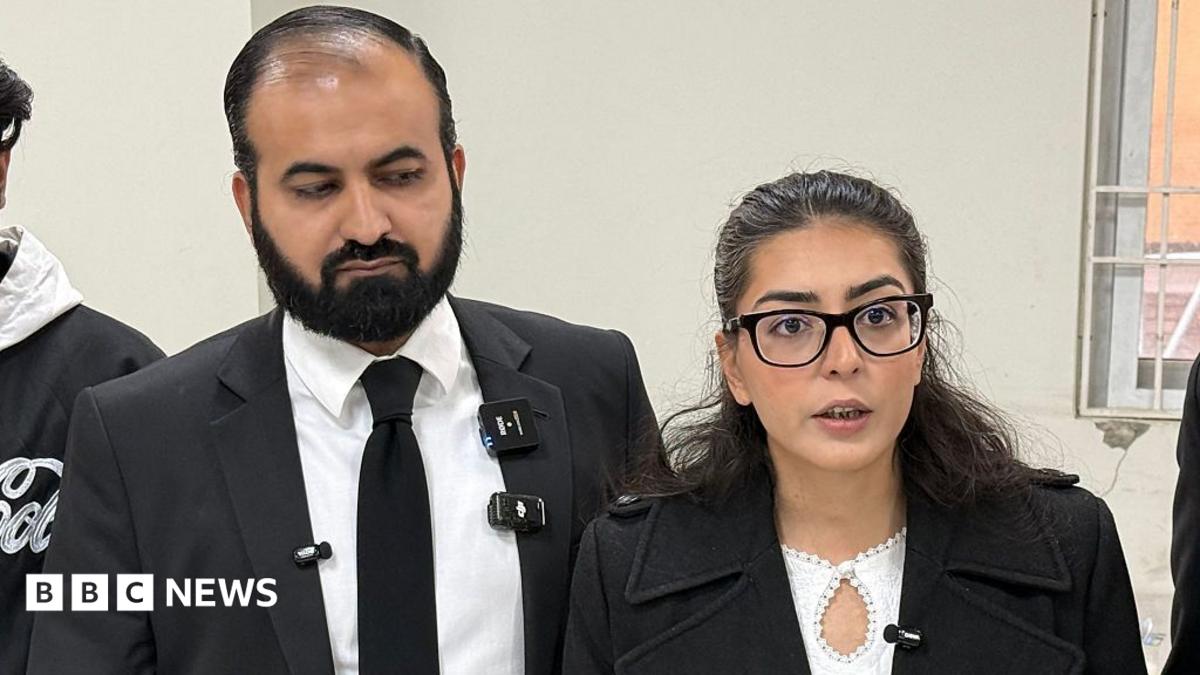
The world’s appetite for “human” drama often spikes when a courtroom becomes a stage, and Pakistan’s latest theatrical tragedy proves why. A high‑profile human rights lawyer couple has just been sentenced to a decade behind bars, and the echo of that verdict will reverberate far beyond the courtroom walls.
According to the BBC, Imaan Mazari and Hadi Ali Chattha were convicted on charges tied to an incident that unfolded during England’s cricket tour of Pakistan in 2024. The pair received ten years each for allegedly endangering public order, a charge that many observers say is a thinly veiled attempt to silence dissent.
Human Rights Under Siege
The sentencing arrives at a moment when Pakistan’s legal landscape is already riddled with controversy. Since the 2020s, the country has oscillated between democratic promises and authoritarian impulses, often using vague national‑security statutes to curb critics. Mazari, a prominent human rights attorney, has long championed the rights of minorities, journalists, and political activists, while her husband, Chattha, has been a vocal defender of free expression. Their high‑profile cases have routinely put them at odds with the establishment, making them symbolic targets for a regime eager to demonstrate its intolerance for dissent.
The cricket match that sparked the controversy was more than a sport; it was a litmus test for Pakistan’s ability to host international events after years of security concerns. When a small group of protestors threw a bottle onto the field, the incident was swiftly politicised. The state framed the episode as an assault on national pride, and Mazari’s legal interventions—questioning police conduct and demanding transparent investigations—were portrayed as meddling. In the eyes of the authorities, her actions crossed the line from advocacy to “incitement,” a line that is increasingly being redrawn to accommodate the government’s narrative.

Meanwhile, the international community has been watching with a mixture of concern and fatigue. Human Rights Watch and Amnesty International have already issued statements condemning the verdict, describing it as “a chilling message to anyone daring to challenge the status quo.” Yet diplomatic pressure has been tepid, with key allies reluctant to jeopardise trade and security cooperation. The paradox is stark: Pakistan wants to be seen as a safe, modern host for global events, but it also wants to keep its internal critics under tight control.
The Real Stakes of the Sentencing
The immediate fallout is clear: Mazari and Chattha’s removal from the legal arena will cripple several ongoing human‑rights cases, leaving victims without robust representation. Their absence also serves as a warning to other lawyers, journalists, and activists who might contemplate similar challenges to the state. In practice, the sentence could trigger a cascade of self‑censorship, eroding the thin veneer of civil liberties that have survived in Pakistan’s urban centres.
Who wins, though? The government, for now, can claim a victory in the war of narratives, projecting an image of decisive law‑and‑order governance. But the cost may be higher than anticipated. Domestic unrest is simmering, especially among youth who have grown up with the internet and are less tolerant of overt repression. Moreover, the cricket board, eager to protect future tours, now faces a dilemma: can it assure foreign teams of safety when its own legal system is weaponising the judiciary?
On the other hand, the international legal community may find an unexpected rallying point. Law firms and NGOs abroad could amplify the couple’s case, using it to pressure Pakistan through targeted sanctions or conditional aid. If the global response escalates, the government could find itself isolated, its aspirations for a respectable global image undermined by the very tactics it employed to silence dissent.
Critics of the verdict argue that the charges were legitimate, pointing to the chaos that erupted during the match and the potential for violence. They claim the legal process was transparent and that the sentence reflects a genuine concern for public safety. While those points deserve a hearing, they overlook the broader pattern of selective prosecution that has plagued Pakistan for years. The law, in this instance, appears less a neutral arbiter and more a blunt instrument for political convenience.
The broader implication is that the “human” element of justice—fairness, empathy, and the protection of fundamental freedoms—is being systematically stripped away. When a state can imprison its most vocal defenders for simply asking questions, the rule of law becomes a hollow phrase. The judiciary’s independence is called into question, and the social contract between citizens and the state frays.
As the couple begins their decade‑long incarceration, their supporters are already mobilising legal appeals and international campaigns. The question now is whether these efforts will merely delay the inevitable or spark a genuine reconsideration of Pakistan’s approach to dissent. History suggests that repression can backfire, turning martyrs into symbols that outlive the regimes that tried to silence them.
In the end, the verdict is less about a single incident and more about the trajectory of a nation wrestling with its identity. Will Pakistan choose the path of openness, allowing human rights defenders to operate without fear? Or will it double down on a strategy that trades short‑term stability for long‑term alienation? The answer will shape not only the lives of Mazari and Chattha but also the future of anyone who dares to speak truth to power in the country.
The real story isn’t just the ten‑year sentence; it’s the warning it sends to every lawyer, activist, and ordinary citizen who believes the law should protect, not punish, the human pursuit of justice.
Source: BBC Asia