What does it truly mean when a nation turns out in such huge numbers for a funeral procession? Is it genuine grief, a coerced spectacle, or a defiant message to the world? The images emanating from Tehran today demand a deeper look than simple headlines provide, especially as we head into a week fraught with political implications for the region.
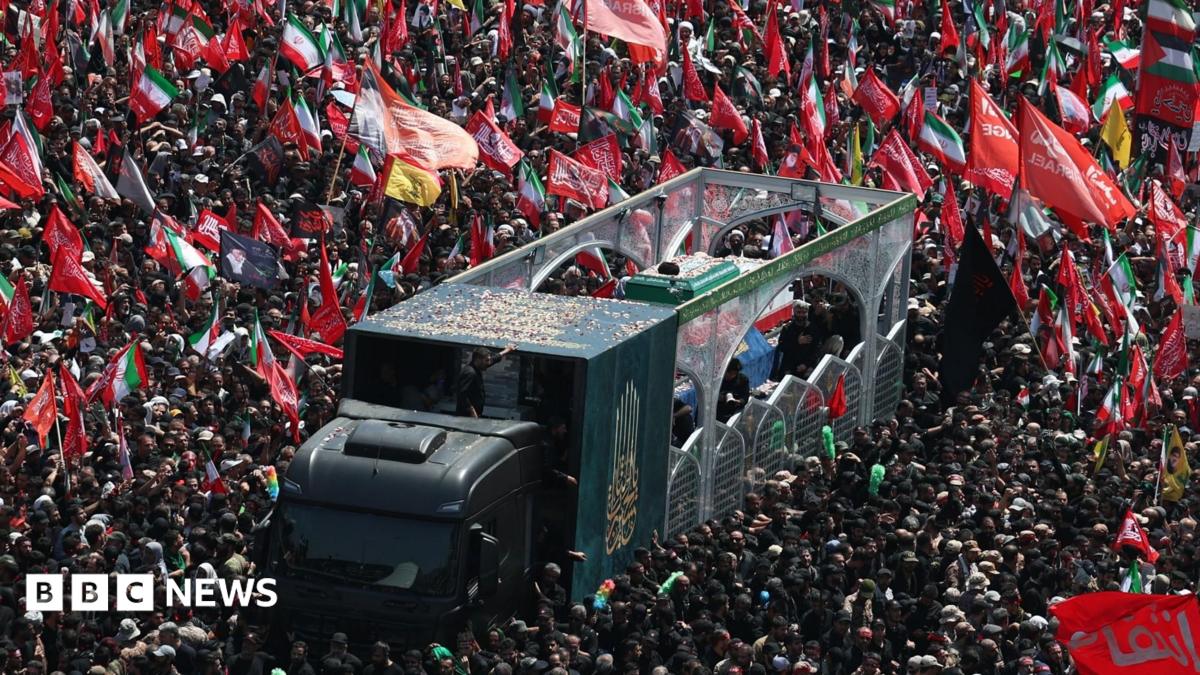
According to the BBC, massive crowds filled the streets of Tehran today for the funeral procession of the former supreme leader. Many participants were reportedly waving Iranian flags and red banners, symbols often associated with vengeance for the leader’s war death. These visuals paint a powerful, if complex, picture of public sentiment in the Islamic Republic.
The sheer scale of the turnout is, on the surface, a testament to the enduring power and appeal of the revolutionary ideals embodied by the late leader, at least as the regime would have the world believe. This isn’t merely a private mourning; it’s a meticulously orchestrated public affirmation. The display aims to project unity and strength, both domestically and internationally. It serves as a powerful reminder of the deep roots of the Islamic Revolution, even amidst ongoing economic hardship and simmering internal dissent.
For decades, the former supreme leader was a linchpin of Iran’s complex power structure, a figure who navigated geopolitical tensions and maintained a delicate balance among various factions within the clerical establishment. His death leaves a void that will undoubtedly trigger intense jockeying for influence. The swift, public nature of this funeral, with its powerful symbolism, is no accident. It’s a deliberate move to consolidate support and project stability during a period of potential vulnerability. The red banners, signifying vengeance, are not just about the past; they are a clear signal of continuity in Iran’s confrontational foreign policy and its commitment to the “axis of resistance.” This massive outpouring of emotion, whether organic or organized, sets a clear tone for the political week ahead.
Let’s be clear: the optics of a huge gathering like this are everything for a regime that often grapples with legitimacy crises. For the international community, particularly Western powers, this display will be interpreted in various ways. Some will see it as undeniable proof of the regime’s enduring popular support, strengthening its hand in any future negotiations. Others will rightly question the true nature of participation in a state where dissent is often met with harsh consequences. It’s a classic authoritarian playbook: demonstrate an unshakeable base, even if the foundation is built on a mix of genuine belief, social pressure, and a lack of viable alternatives.
The real hot take here lies not just in the numbers, but in the message they send to Iran’s internal factions and regional rivals. This isn’t just a funeral; it’s a launching pad for the post-Khamenei era. The symbolism of vengeance is particularly chilling, signaling that the revolutionary fervor and anti-Western stance are far from diminished. For Saudi Arabia, Israel, and the United States, this huge public spectacle reinforces the perception of a formidable, unyielding adversary. The succession process, which now looms large on the horizon, will be framed by the shadow of this immense public display of loyalty. Expect the incoming leadership to lean heavily on the legacy and perceived popular mandate demonstrated today. The question for Monday’s political landscape is not *if* the regime will leverage this, but *how* aggressively it will assert its continued power and direction.
As the dust settles on this monumental funeral, the true test begins. Will the show of unity hold, or will the internal pressures and external challenges expose the cracks beneath the surface? The coming week will offer the first real glimpse into the future trajectory of the Islamic Republic, all under the shadow of this huge public display.
Commentary · Current Affairs desk · Facts attributed to sources · Editorial policy · Corrections
Source: Source