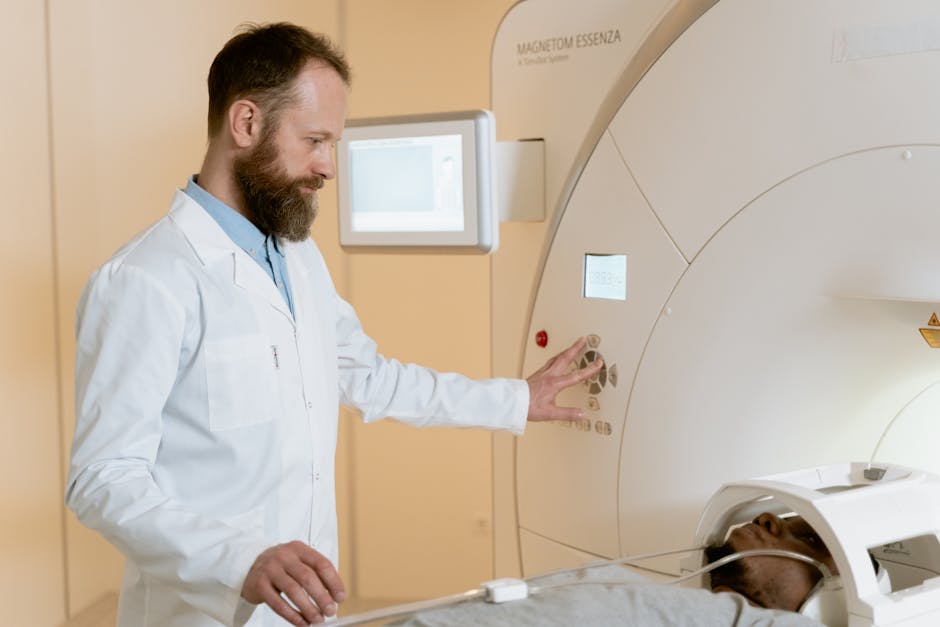
Artificial intelligence Revolution frames the debate here: Is healthcare ready to embrace technology, or are we merely pawns in a digital charade? Amid the relentless buzz about artificial intelligence, Optum Health is making a bold move to put AI into the hands of clinicians, not just tech wizards. According to Healthcare IT News, the organization is on a mission to translate the intimidating world of AI into practical tools for healthcare providers.
The Technology Revolution in Healthcare
This initiative comes at a critical moment. The COVID-19 pandemic exposed glaring inefficiencies in healthcare systems worldwide, catalyzing a rush for technological solutions. With the rise of telemedicine and digital health records, there’s a desperation to innovate and improve patient care. Optum Health is at the forefront of this revolution, aiming to bridge the gap between complex algorithms and real-world clinical applications.

However, transforming technology into something that clinicians can actually use is no small feat. The healthcare industry is notoriously resistant to change, grappling with entrenched practices and a workforce often overwhelmed by existing demands. The question remains: can Optum Health’s efforts succeed in an environment where many still suspect technology as more of a burden than a boon?
Hot Take: A Double-Edged Sword
Optum Health’s push to integrate technology into clinical practice is undoubtedly ambitious. But let’s not pretend it’s a smooth ride ahead. The stakes are high. If they succeed, they could set a new standard for healthcare efficiency, ultimately saving lives through enhanced diagnostics and personalized treatment plans. However, there’s a real risk of alienating clinicians who feel they’re being forced to adopt systems they didn’t ask for, especially if those systems don’t align with their workflows.
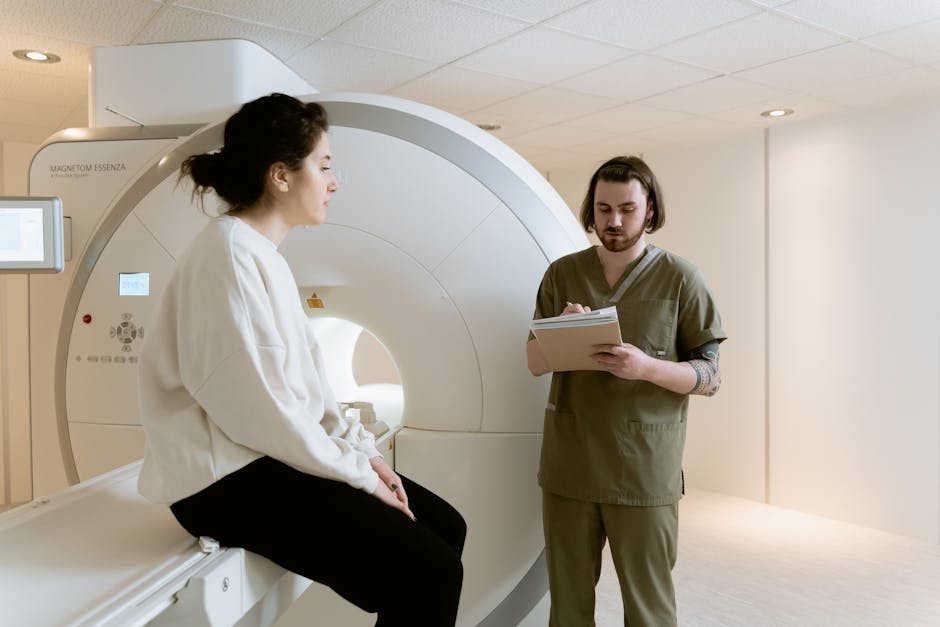
Moreover, the corporate thirst for profit might compromise the ideal outcome. AI tools could become less about improving patient care and more about cutting costs. In regions like South Asia and the Middle East, where healthcare infrastructure often lags behind, the introduction of this technology must be approached with caution. If mishandled, it could widen the existing healthcare gap instead of closing it.
The mainstream narrative often overlooks the voices of clinicians on the ground. While tech companies tout their innovations, the real impact on patient care could remain unmeasured. Are we considering the human element in this technology-driven future, or are we creating more problems under the guise of progress?

As Optum Health navigates this complex landscape, it must prioritize collaboration, ensuring that clinicians are not just users but co-creators of these technology solutions. Otherwise, we risk building a shiny new edifice while the foundation beneath our healthcare system crumbles.
In a world that’s increasingly dependent on technology, the ultimate question looms: will these AI tools empower clinicians, or will they become another bureaucratic hurdle? Only time will tell, but one thing is certain: the future of healthcare technology hinges not just on innovation, but on genuine understanding and partnership between technology and its most vital users— the clinicians.
That tension around healthcare technology is not going away.
That tension around artificial intelligence Healthcare is not going away.
That tension around artificial intelligence Revolution is not going away.
Source: Google — Technology & AI