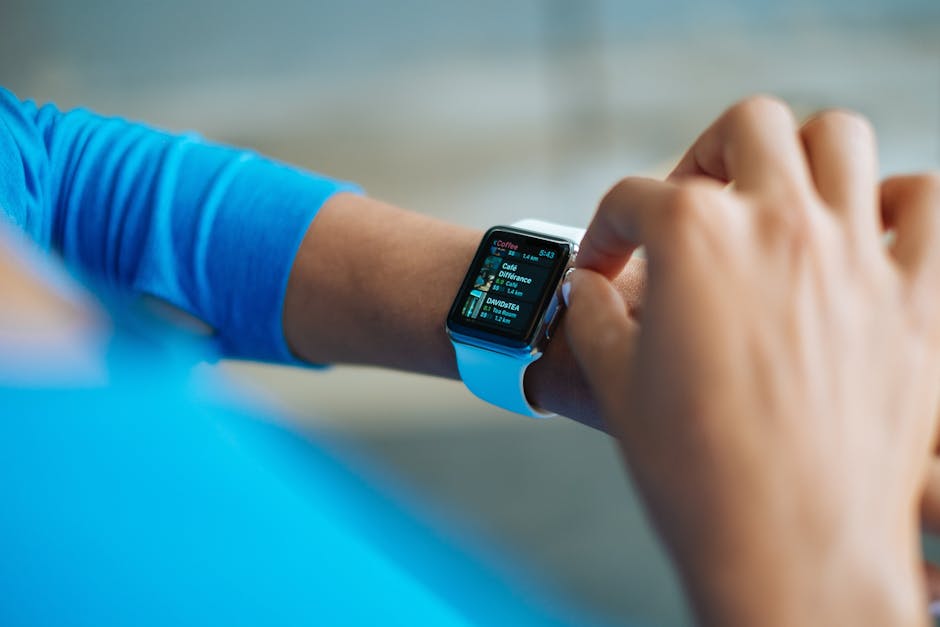
The intersection of health and technology has always been ripe for innovation, but the latest advancements are exceptionally interesting. As we navigate our increasingly busy lives, do we ever stop to think about how tech could overhaul our concepts of health? According to the BBC, the emergence of a new sleep apnea wearable, tech aimed at freeing up hospital beds, and a breast health app are changing the game.
The Current Landscape of Health Tech
The tech industry is, in fact, bubbling with potential solutions that address pressing health issues. The BBC reports that the latest innovations in wearable tech focus on sleep apnea, a condition affecting millions but often overlooked in the health conversation. Meanwhile, healthcare systems are exploring new technological avenues to optimize hospital resources. Imagine a tool that not only monitors your breathing at night but also contributes to a healthier hospital ecosystem — it’s a thrilling prospect.
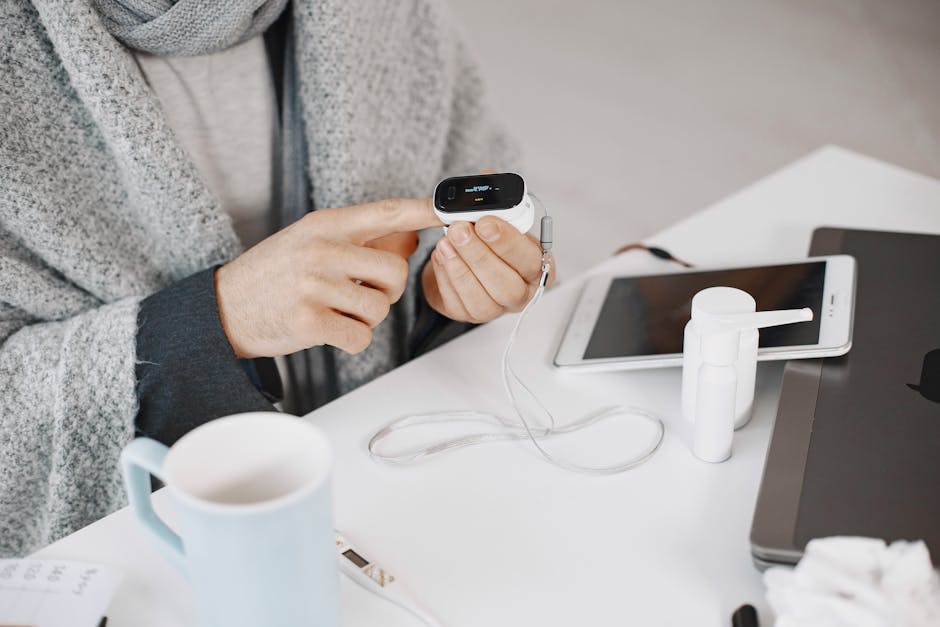
As we grapple with the implications of these advancements, we must recognize the major players involved: tech companies, healthcare providers, and patients. Together, they have a shared interest in improving health outcomes, but the path is fraught with challenges. The balance between leveraging technology and ensuring patient safety remains a pressing concern.
Health: A Double-Edged Sword
What’s particularly fascinating is how these innovations reflect our societal understanding of health. Take the sleep apnea wearable, for instance. It’s not just a gadget; it’s a wake-up call to the healthcare challenges we face today. The ability to monitor vital signs while you sleep can mean the difference between early intervention and a major health crisis. However, this solution brings with it the ethical complexities of data privacy and the digital divide — technology should aid everyone, not just the tech-savvy elite.
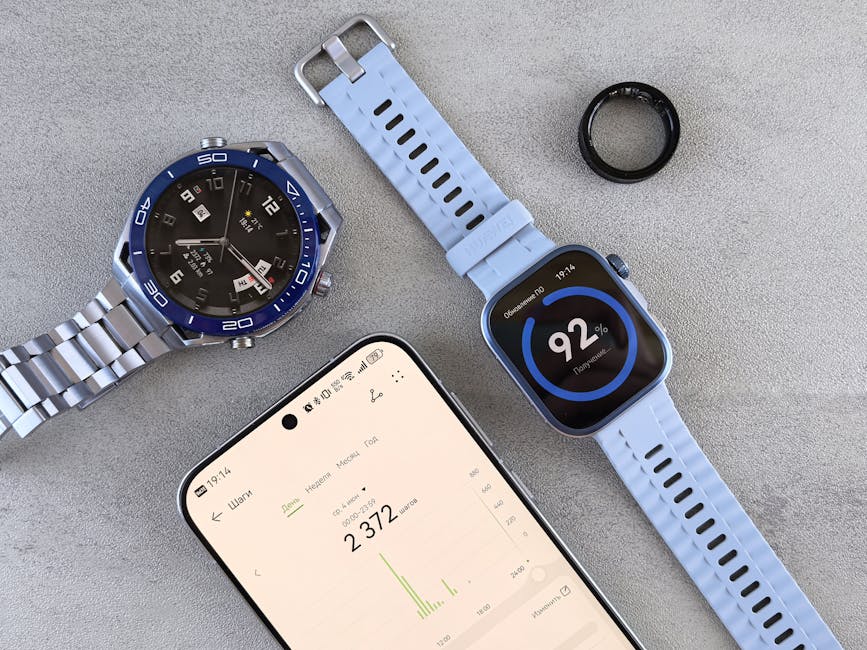
The hospital bed technology aims to alleviate systemic strain, making room for more patients while also prioritizing their care. But here’s the rub: tech can’t fix what’s fundamentally broken in the healthcare system. Yes, freeing up beds is important, but if we’re not addressing the underlying issues—such as staffing shortages and funding cuts—then we’re merely putting a Band-Aid on a gaping wound.
And let’s not overlook the breast health app, which hopes to empower women with knowledge about their bodies. While this is a step in the right direction, we must challenge whether an app can truly replace the nuanced care of a healthcare professional. If we applaud these innovations without addressing their limitations, we’ll risk overselling technology’s role in health.

The stakes are high. If the health tech narrative continues to ignore the systemic issues plaguing healthcare, we could find ourselves in a situation where technology becomes a scapegoat, failing to deliver what it promises. Meanwhile, the mainstream media often glamorizes these innovations without peeling back the layers of complexity involved.
In a world where we increasingly rely on technology to improve our lives, we must remain vigilant. The solutions heralded as groundbreaking may be overshadowed by the persistent reality that they can’t fix everything. Health is not just about the latest gadget; it’s about creating an ecosystem that supports well-being in all aspects.
As we look ahead, the question remains: Will we harness this tech to complement human care, or will we allow it to further complicate a fragile system? Balancing innovation with empathy may just be the key to achieving a healthier future for all.
Source: BBC Technology