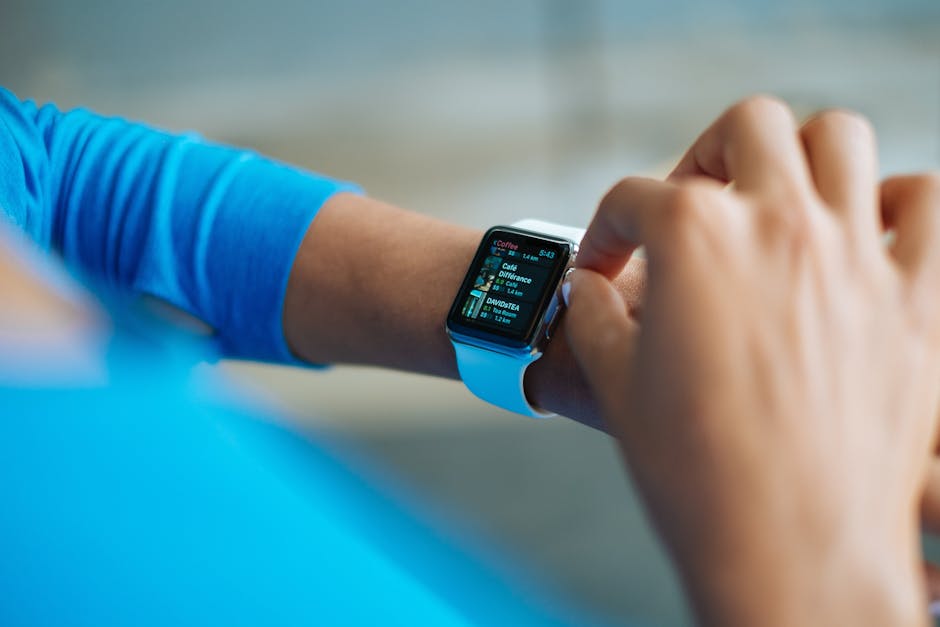
Health Tech frames the debate here: We live in an age where technology can determine the quality of our health, yet we often overlook the most basic truth: our health is our wealth. A recent BBC report highlights some intriguing innovations – a sleep apnoea wearable device, tech designed to free up hospital beds, and a new app focused on breast health. But is this an indication that the health industry is finally catching up with the tech world, or are we simply putting a high-tech bandage on deeper systemic issues?
According to the BBC, the latest advancements include a wearable for sleep apnoea that promises to monitor and improve sleep quality, a hospital management system aimed at optimizing bed usage, and an app intended to streamline breast health monitoring. Each of these innovations holds the potential to reshape how we address various health challenges, yet they do not come without their own set of complications.
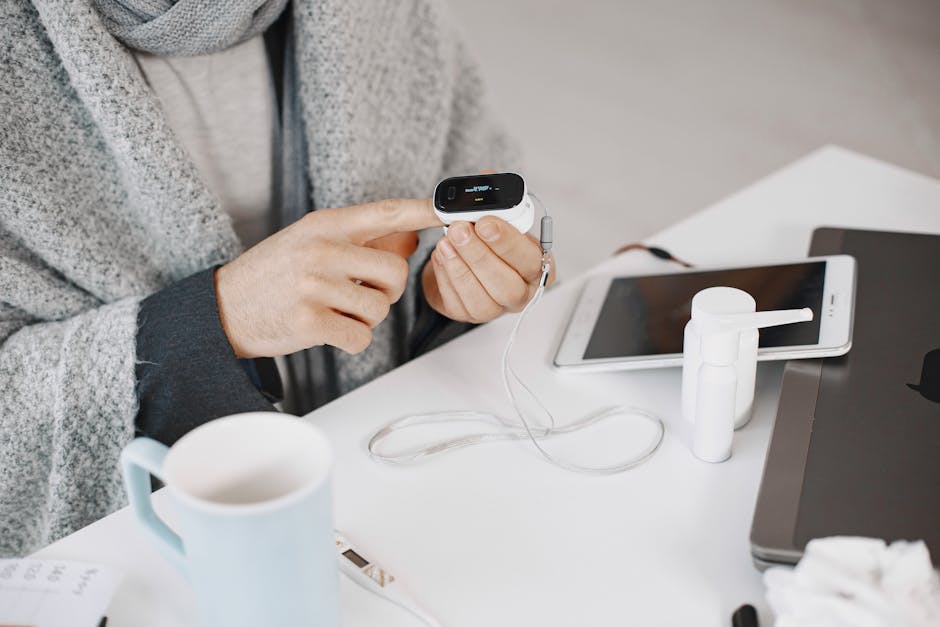
The Current State of Health Technology
The intersection of health and technology is more critical than ever. As we grapple with the consequences of a global health crisis, the demand for effective, innovative solutions is at an all-time high. The pandemic exposed glaring weaknesses in our healthcare systems, including bed shortages and inadequate monitoring tools for chronic conditions. Companies are racing to fill these gaps, often with bold tech-driven responses that promise to revolutionize patient care.
However, while these advancements are impressive, it’s essential to scrutinize their practicality and accessibility. For instance, how affordable is the sleep apnoea wearable for the average consumer? Will the breast health app be able to reach and be used effectively by those in underserved communities? The slick marketing of these products often glosses over such critical concerns.

Hot Take: Who Wins and Who Loses in This Health Technology Race?
Let’s be clear: the development of tools to improve health outcomes is undoubtedly a step in the right direction. Yet, the real winners might not be who you think. Big tech companies are poised to score major profits, establishing themselves as gatekeepers of our health data. In contrast, small healthcare providers may struggle to keep pace, losing valuable ground in the market. The tech world thrives on innovation, yet we must question whether it serves the public good or simply fuels the already lucrative healthcare industry.
Moreover, there’s a risk that the focus on tech solutions will lead to a neglect of vital human elements in healthcare, such as empathy, direct communication, and personalized care. The efficiency of freeing up hospital beds and utilizing wearables won’t matter if we forget the core mission of health services: to care for people, not just to optimize data.
As we look ahead to the week, the stakes are high. Monday’s markets and ongoing diplomatic engagements will hinge on how well we can integrate these technologies into our existing frameworks without losing sight of their primary purpose. Will our embrace of health technology lead to a future where care is both efficient and compassionate, or will it devolve into yet another mechanism for profit and control?
In this rapidly evolving landscape, one thing is certain: health tech is here to stay. The question remains whether we will cultivate an ecosystem that prioritizes wellness for all or allow it to become yet another tool of inequity. The future of our health might depend on the answers we find in the coming days.
Source: BBC Technology