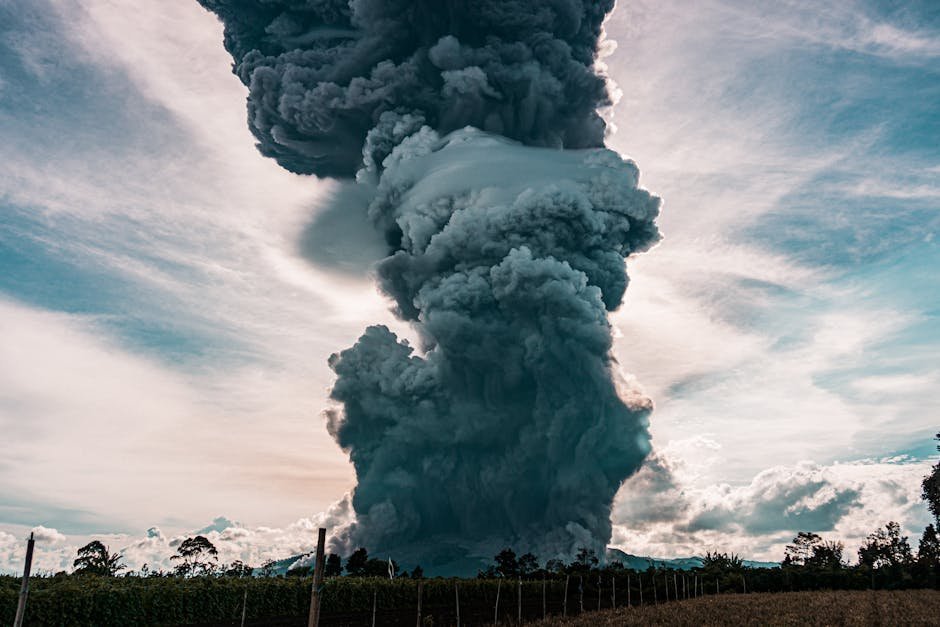
What does a magnitude 6 earthquake on Hawaii’s Big Island have to do with South Asia? It turns out, everything. As tectonic plates clash in the Pacific, the tremors reverberate far beyond the ocean, reminding us that our planet’s seismic whims can spark both environmental disaster and humanitarian crises in regions often considered more stable.
According to The Hindu, the United States Geological Survey is assessing the potential impacts of this quake on Kilauea volcano’s activity. It’s not just a geological concern — it’s a wake-up call for regions around the world, including those in South Asia, that face their seismic dilemmas.
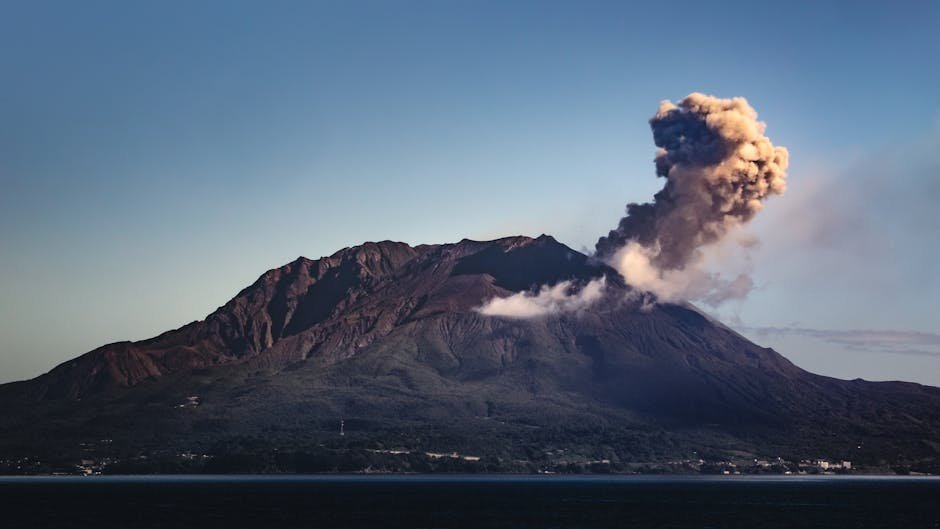
The South Asian Connection to Global Seismic Activity
Why should we care about a quake in Hawaii when countries like India, Pakistan, and Nepal are grappling with their own tectonic threats? The answer lies in the interconnectedness of our planet. The Pacific Ring of Fire is a seismically active zone where the effects of shifts in one plate can influence movements under another. Countries like Indonesia and the Philippines experience the immediate consequences of these shifts, while the looming threat of an earthquake in South Asia remains ever-present. With densely populated urban areas built atop fault lines, a disaster in one region can incite fear and speculation in another, leading to regional instability.
This earthquake comes at a time when earthquakes in South Asia are not just common but increasingly catastrophic. The region is still recovering from the long-term effects of past quakes. The tremors often lead to landslides, tsunamis, and other natural catastrophes that can displace entire communities and put immense pressure on already strained resources.
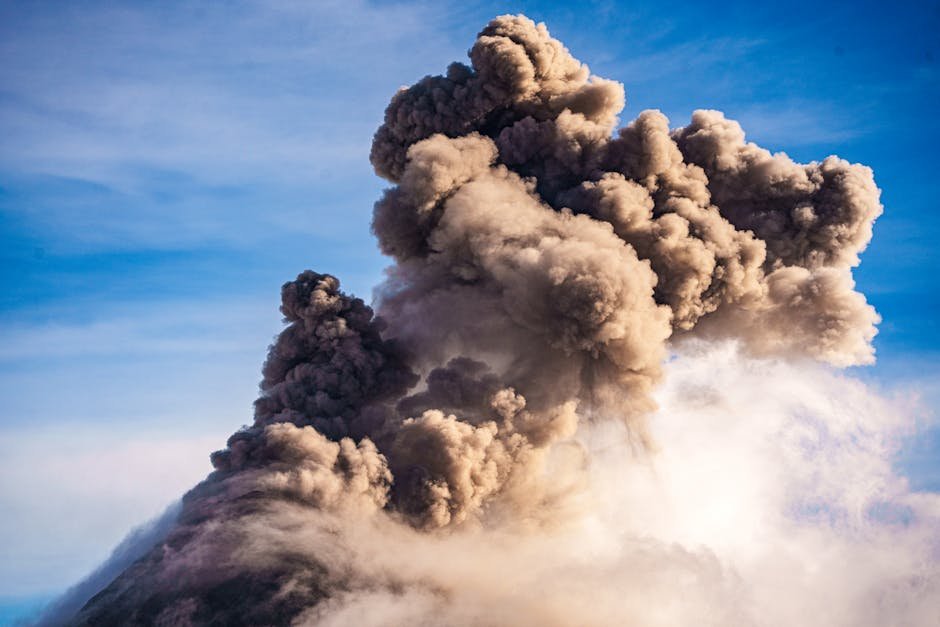
The Implications for South Asia in a Global Context
While Kilauea may be an isolated concern, the implications of its activity can ripple across continents. If this earthquake disrupts the stability of Kilauea, it might lead to further volcanic activity that could affect climate patterns and air quality, which has global repercussions. Nations in South Asia, particularly those with agricultural dependencies, could find themselves grappling with unusual weather patterns or air quality concerns stemming from far-off geological events.
Moreover, this earthquake showcases the inadequacies of disaster preparedness in South Asia. Countries often wait for such occurrences to trigger emergency responses, rather than investing in proactive measures. The focus should not just be on immediate relief but on sustainable policies that mitigate disaster risk. Every tremor, including that in Hawaii, is a reminder that an earthquake could strike at any moment, and the question looms: Are we ready?
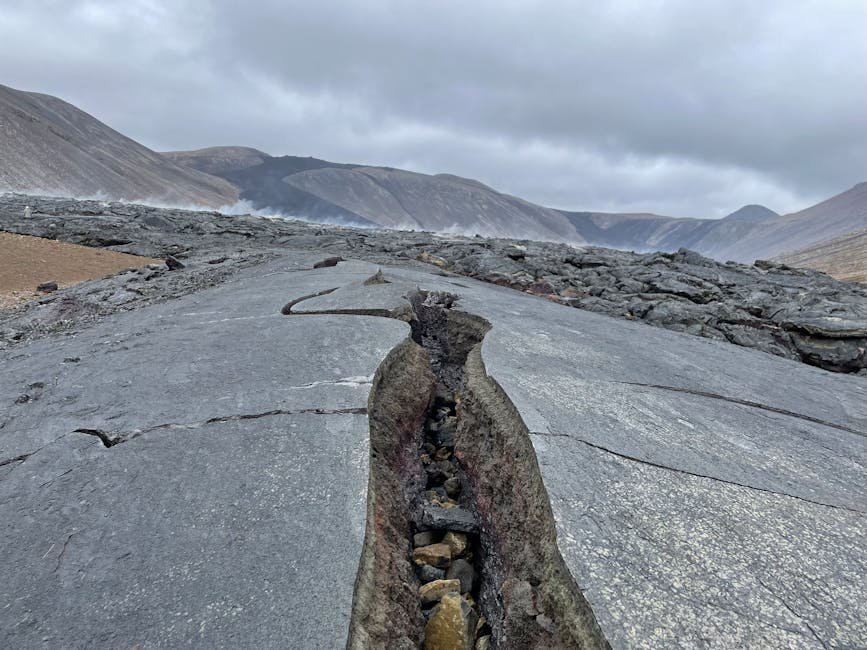
In the grand tapestry of natural disasters, the tremors from Kilauea may seem far removed from the lives of people in South Asia. Yet, the reality is that we all inhabit a fragile planet, and the consequences of inaction resonate far beyond our immediate borders.
As we dissect the aftermath of this earthquake, we ought to reflect on how interconnected our fates are. The response of the scientific community, including the USGS’s intervention, should inspire South Asian nations to elevate their readiness for seismic events.
In a world where earthquakes, whether in Hawaii or South Asia, can unleash unexpected calamities, the path ahead must be one of vigilance and resilience. The tectonic dance continues, and we must not allow our geographical illusions to obscure the fact that we are all one tremor away from crisis. What seismic uncertainties will it take for us to finally connect these dots?
Source: The Hindu