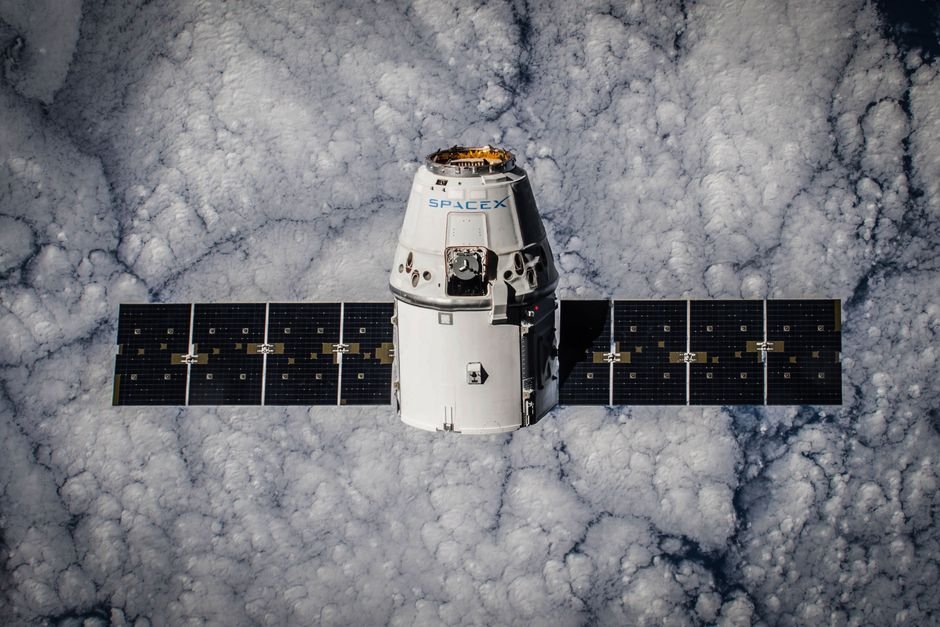
The recent interview with SpaceX President Gwynne Shotwell holds significant weight as it touches on pivotal advancements in the space industry, as well as the operational strategies of one of the most talked-about companies in the world.
Conducted by CNBC, the interview dives into Shotwell’s insights on SpaceX’s ambitions and future directions, all of which appear increasingly critical given the escalating pace of competition in commercial spaceflight. As the industry matures, the stakes are high—not just for SpaceX, but for its rivals and the broader implications for science and technology.
What landed
A few points stood out during Shotwell’s conversation. She emphasized SpaceX’s commitment to reducing launch costs, which she claims has been a game-changer for clients across various sectors. Shotwell argued that by driving down costs, SpaceX is not just making space more accessible but also empowering other companies to innovate and develop their own technologies. This is a laudable assertion, and it’s easy to appreciate the broader economic implications of cheaper access to space.
Moreover, Shotwell didn’t shy away from discussing the challenges the company faces. She acknowledged the bottlenecks in supply chains that have been exacerbated by global conditions, asserting that SpaceX is actively working to mitigate these issues. This frankness is commendable; industry leaders often duck difficult topics, preferring to highlight successes over hurdles.
What doesn’t add up
However, beneath the surface of Shotwell’s confident delivery lies a troubling inconsistency. Just last year, SpaceX’s CEO Elon Musk was quoted discussing an aggressive timeline for launching the Starship program, suggesting they would be flying missions within a much tighter frame than Shotwell now indicates. Her comments on the bottlenecks and delays cast doubt on whether SpaceX is truly on the cutting edge or merely scrambling to keep up.
Additionally, while Shotwell praised SpaceX’s innovative culture, one must wonder how this squares with the repeated controversies surrounding the company’s labor practices. Past complaints from employees about a hostile work environment contradict the image of an idealistic, forward-thinking company culture that Shotwell attempts to paint. Can SpaceX genuinely claim to be a transformative force in the industry while simultaneously facing such serious criticisms about its internal operations?
Moreover, her emphasis on collaboration with government and private partners raises eyebrows. Shotwell stated that partnerships are crucial for the future of space exploration, but this begs the question: Is SpaceX becoming too reliant on external entities for its growth? If the company is to maintain its leadership position, is it wise to share the spotlight—or potential profits—with others?
As we look ahead, the stakes for the aerospace industry will heighten. If Shotwell and SpaceX cannot reconcile their ambitious goals with the operational realities they face, Monday morning might bring a tougher reality check than they are prepared for. Without a clear path that aligns their future rhetoric with present-day actions, the company risks losing not just market share, but the trust of investors and consumers alike.
Source: Google — Leader interviews