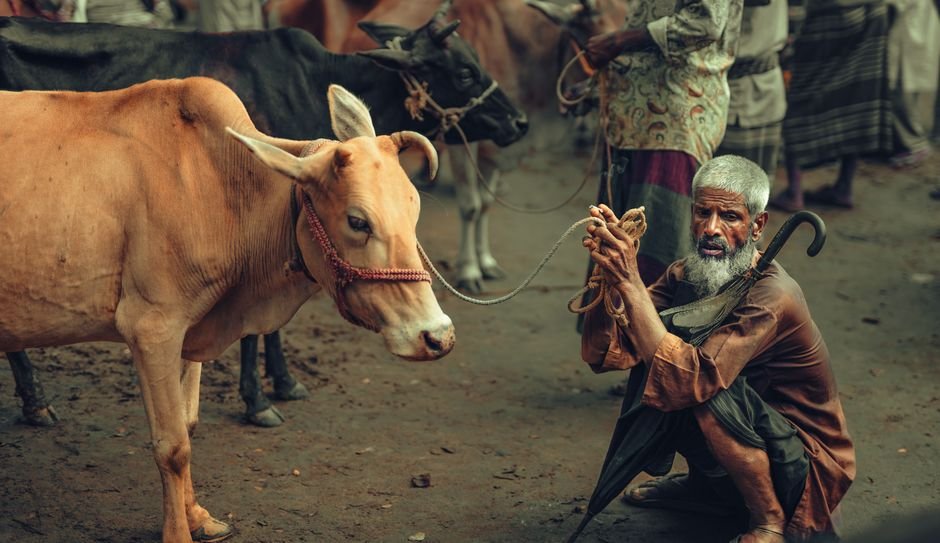
Fear Grips frames the debate here: In South Asia, the fear gripping cattle markets ahead of Eid is palpable and troubling. As preparations for one of the biggest religious festivals intensify, the decline in cattle sales is raising questions about the future of livestock trading and the fundamental economics of the region.
According to Al Jazeera, cattle markets across West Bengal are facing a dramatic downturn, with traders expressing anxiety over dwindling sales in the lead-up to Eid. This sharp contraction is largely attributed to a mix of rising costs, stringent regulations, and increasing communal tensions.
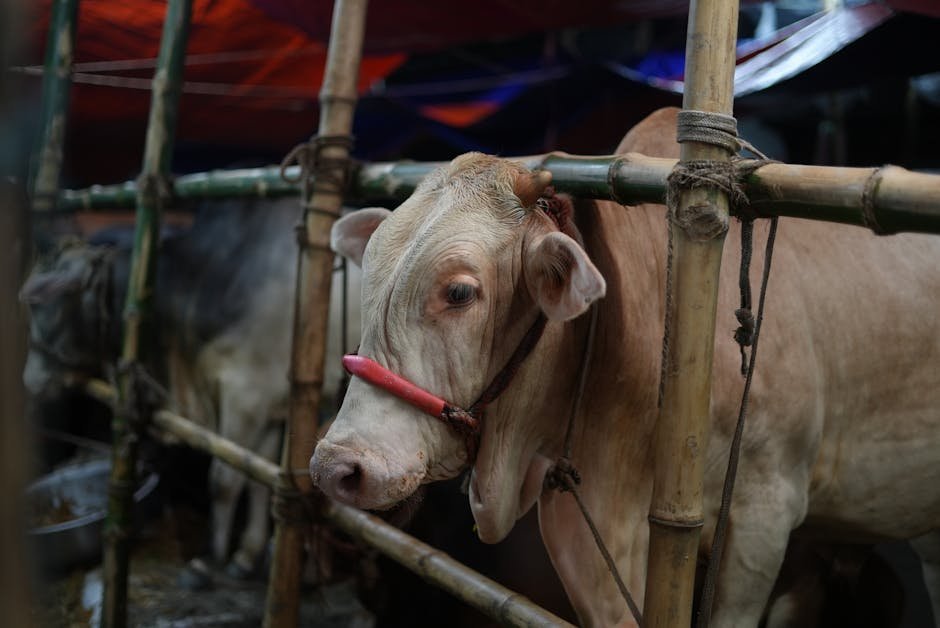
The Context of Cattle Trading in South Asia
The significance of Eid al-Adha in the Muslim world cannot be overstated; it’s a time for sacrifice and communal celebration. Traditionally, cattle markets flourish during this period, with demand spiking as families prepare for feasts. However, a perfect storm of economic pressure and rising communal discord has left many traders on edge. Reports indicate that rising costs and stricter regulations on cattle sales have created an environment where sellers are unwilling to take risks. Meanwhile, rising religious tensions have made many potential buyers hesitant to engage in cattle purchases, fearing backlash or social stigma.
The players in this scenario aren’t just the traders and buyers. Local governments, community leaders, and even political parties are all embroiled in a tangled web of influence. The challenge of ensuring a harmonious Eid season interplays with broader political narratives in India, which often find the fault lines of religion and commerce intersecting in uncomfortable ways.
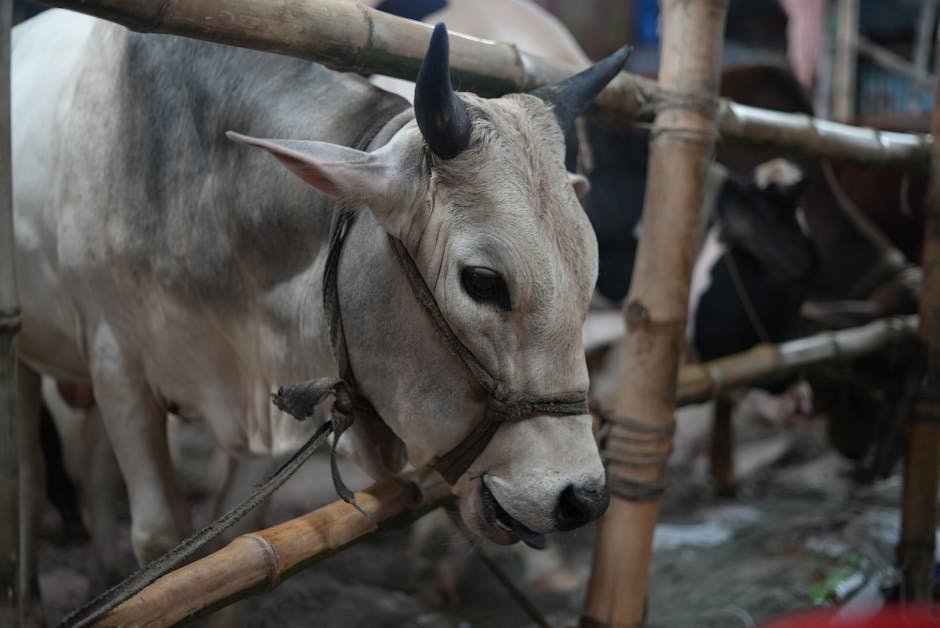
The Economic Stakes and Missed Opportunities
What is at stake here isn’t merely the fate of a few cattle traders — it’s a litmus test for communal relations in the region and an indicator of economic resilience in South Asia. If cattle sales continue to plummet, the implications extend far beyond the marketplace: livelihoods are threatened, local economies may crater, and communal relations could sour even further.
Moreover, the mainstream narrative surrounding this issue often overlooks the resilience and adaptability of local traders. While regulations may seem oppressive, there could be opportunities for innovation in livestock management and alternative food sources that could pivot the economy into a new, sustainable direction. The fear gripping the cattle markets is not permanent; it signifies the need for urgent dialogue around community, economics, and policy.
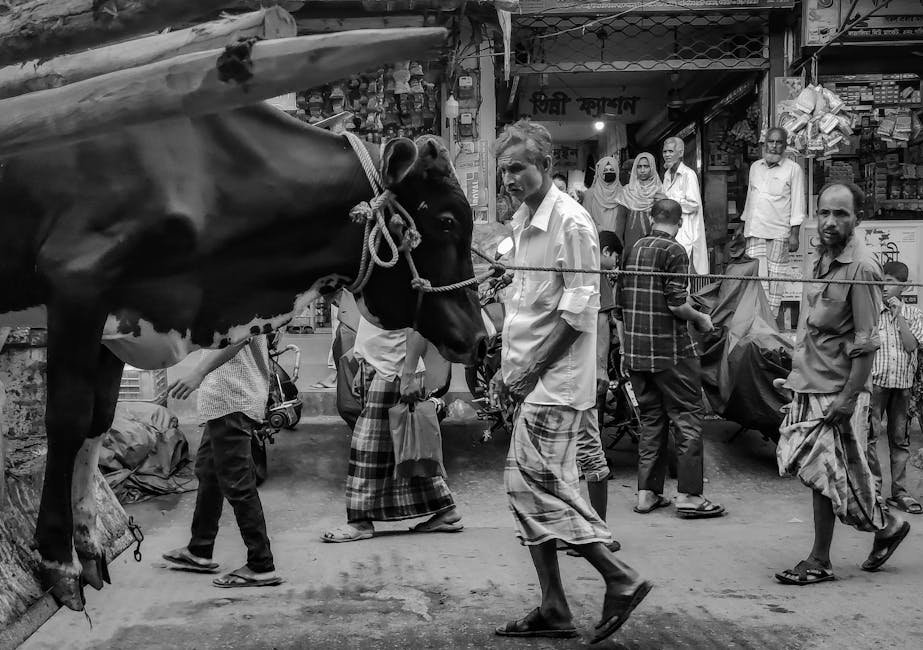
The current hesitation among buyers and sellers reflects a broader trend of uncertainty in South Asia, where political rhetoric often overshadows practical solutions. If local governments and community leaders fail to bridge these divides, they risk undermining the very fabric that holds these diverse communities together.
As Eid approaches, we must ask ourselves: will this season become a catalyst for change, pushing for more inclusive dialogues about community and commerce, or will it be a moment marked by fear and missed opportunities? The answers may very well shape the socio-economic landscape of South Asia for years to come.
That tension around Fear Grips is not going away.
Source: Google — South Asia