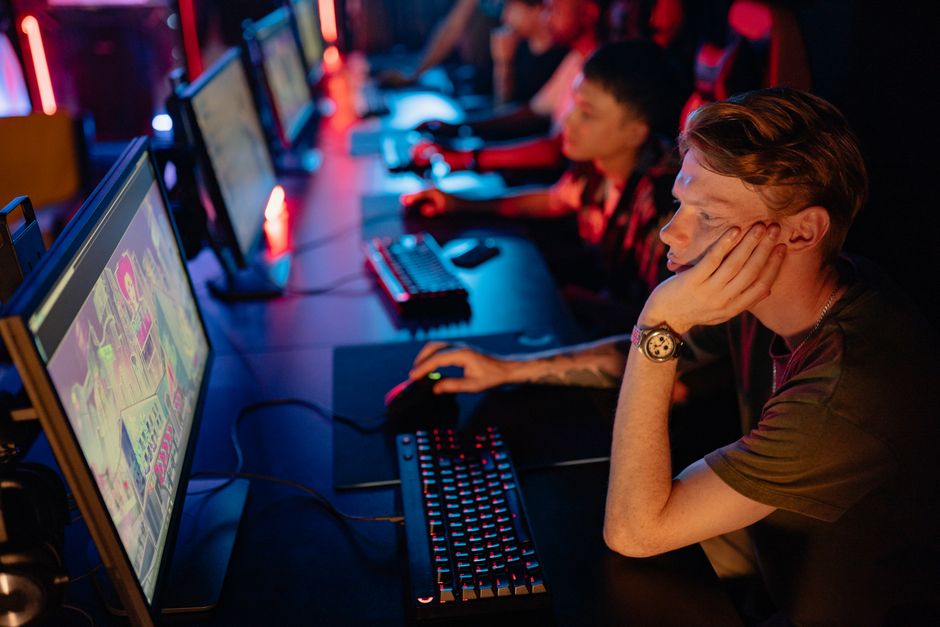
Welcome to the era of **Tech Now**, where the lines between play, profession, and digital existence blur with dizzying speed. It’s a landscape many celebrate as pure innovation, yet few stop to dissect the true implications beyond the flashy screens and high-octane competition. Are we witnessing a genuine technological revolution, or just a meticulously crafted spectacle designed to keep us perpetually plugged in and spending?
According to BBC Technology’s “Tech Now” segment, recent highlights included the intense drama of the Esports World Cup in Paris and a practical guide on how to build your own gaming PC. These two seemingly disparate topics, presented side-by-side, actually encapsulate the entire paradox of our current digital age. One showcases the pinnacle of professional digital athletics, a multi-billion-dollar industry, while the other demystifies the very hardware that makes such spectacles possible for the enthusiast at home.
The Digital Arena: Why Esports Dominates Our Tech Now
The rise of esports isn’t just a trend; it’s a seismic cultural shift that has redefined what it means to be an athlete and an entertainer. What began as basement LAN parties has exploded into a global phenomenon, filling arenas, attracting massive sponsorship deals, and commanding viewership numbers that rival traditional sports. This isn’t merely about kids playing video games anymore; it’s about highly trained individuals competing for millions, backed by professional organizations and celebrated by legions of fans. The Paris World Cup serves as a potent symbol of this legitimacy, placing digital gladiators on a pedestal once reserved for physical titans.
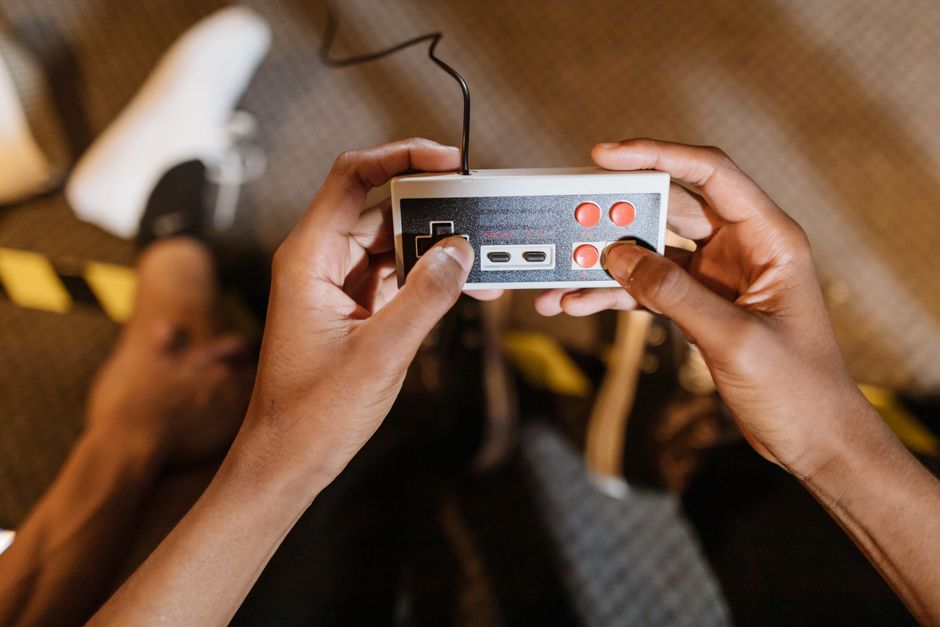
Meanwhile, the fascination with building a gaming PC speaks to a different, yet equally powerful, facet of this digital revolution: empowerment through technology. It’s the DIY spirit meeting high-performance computing, where individuals meticulously select components—processors, graphics cards, RAM—to craft a machine tailored to their exact specifications. This isn’t just a hobby; it’s a gateway into understanding the very architecture of our digital world, fostering a deeper connection to the tools that drive our entertainment and increasingly, our work. The accessibility of such guides, broadcast by mainstream outlets, signals a mainstream acceptance of this complex, often intimidating, pursuit.

Beyond the Hype: The Unseen Costs of Our Gaming Obsession
Here’s the rub: while the “Tech Now” narrative often focuses on the spectacle and the empowering aspects, it rarely delves into the stark realities. Esports, for all its glitter, is an incredibly demanding and often brutal industry. Professional players face immense pressure, short career spans, and the constant threat of burnout, all while operating in a largely unregulated environment compared to established sports. We celebrate the champions, but what about the thousands who don’t make it, sacrificing education and social development for a dream that often ends abruptly? The human cost of this digital gold rush is rarely tallied, yet it’s as real as any physical injury sustained on a traditional playing field.
Then there’s the hardware. Building a gaming PC, while empowering, is also an exercise in consumerism and planned obsolescence. The relentless pace of technological advancement means that a top-tier machine built today will be “mid-range” within a couple of years. This constant upgrade cycle, driven by marketing and the ever-increasing demands of new software, fuels a massive industry but also generates enormous electronic waste. Furthermore, the global supply chains for these components often involve resource extraction and labor practices that warrant far more scrutiny than they typically receive. We are encouraged to participate in this cutting-edge culture, but rarely to question its underlying infrastructure or its environmental footprint.

The mainstream media, by simply presenting these developments as exciting milestones, often misses the opportunity for deeper critical analysis. They celebrate the spectacle without adequately probing the systemic issues. This isn’t to say esports isn’t thrilling or that building a PC isn’t rewarding. It’s to suggest that the glowing veneer of “Tech Now” often obscures a more complex, and sometimes troubling, reality. We are witnessing the evolution of a new economy, a new form of entertainment, and a new digital identity, but we must ask ourselves: at what cost, and for whose ultimate benefit? Is this true progress, or merely a sophisticated distraction from the larger questions facing our society?
Ultimately, the future of our digital lives hinges not just on faster processors or more immersive games, but on our willingness to look beyond the surface. We must demand transparency, accountability, and a more equitable distribution of the benefits this “Tech Now” era promises. Otherwise, we risk becoming passive spectators in a game where the rules are set by a powerful few, and the real players are always just out of sight.
Source: BBC Technology