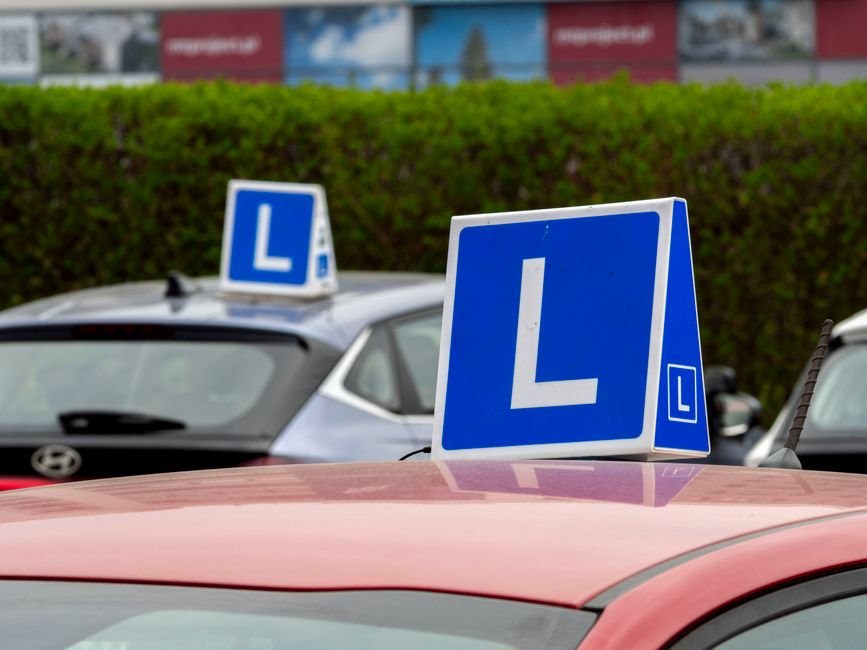
The business of driving tests in the UK is about to get a major shake-up, and it’s high time we ask: is this really a step forward for learner drivers or just another bureaucratic hurdle? Starting May 12, the new rule will only allow learner drivers to book their own tests, effectively cutting out the middleman—driving instructors. According to the BBC, this shift aims to streamline the booking process, but at what cost?
The Business of Driving Tests: Why This Change Matters
The significance of this change cannot be overstated. For years, driving instructors have had the ability to book tests on behalf of their students, providing a measure of support that many learners rely on. By compelling learners to book their own tests, the government is shifting the responsibility onto them, removing a layer of guidance that could prove crucial. This change comes amid a broader push to digitize various sectors, reflecting a growing trend in the business community to prioritize individual agency and self-service. Yet, is this really an improvement, or merely a convenience for officials?

Driving tests are already fraught with anxiety for many learners, and this new policy could exacerbate that stress. The reality is, not all learners are tech-savvy or able to navigate the online booking system with ease. Anecdotes abound about people struggling to secure appointments due to website crashes or overwhelming demand. This raises a fundamental question: Is the government setting its most vulnerable citizens up for failure in an attempt to modernize the system?
Who Wins and Who Loses in This New Business Model?
The beneficiaries of this policy are clear: the government, which can now boast a more streamlined process, and possibly also the number of tests booked, as some say this might reduce no-shows. However, the big losers are undoubtedly the learner drivers themselves. For many, the support of their driving instructors has been invaluable. With the new rule, what was once a collaborative effort becomes a solitary struggle.

Moreover, this decision highlights a troubling trend in public policy: the increasing distance between regulatory bodies and the real-world experiences of everyday citizens. The mainstream narrative may focus on efficiency, but it overlooks the nuances of human experience and needs. There’s a fine line between streamlining a process and alienating those you aim to serve.
Driving instructors, too, are caught in the crossfire. While some may cheer the opportunity for more independence among learners, many acknowledge the practical realities of their students’ struggles. The move could lead to a spike in cancellations and frustrations, potentially harming their business if learners become discouraged or fail to book altogether.

As if that weren’t enough, let’s not forget the potential for exploitation. In a system where learners must fend for themselves, we might see the rise of unscrupulous entities offering assistance for a fee, further complicating the landscape. The business of driving tests could morph into a predatory market under the guise of empowerment.
In the end, the driving test booking process is set to change dramatically, but whether this transformation will foster a more robust business environment remains to be seen. The government should be wary of celebrating administrative efficiencies when the human cost is so steep.
As we watch this unfold, it’s time to question: Is the pursuit of a modernized, self-service system genuinely about empowering learners, or is it merely a convenient way to reallocate responsibility? The answer will determine whether this shift is a step forward or a misguided leap into the unknown.
Source: BBC Business