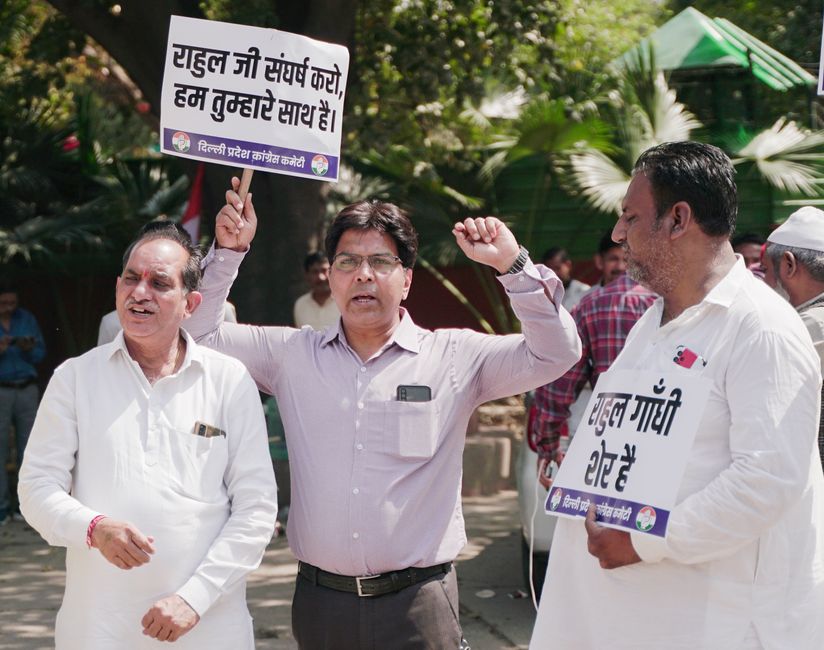
Cockroach Janta frames the debate here: The rise of the Cockroach Janta Party is a wake-up call that India’s elite never saw coming. As the online protest movement gains traction, it’s clear that a segment of the population is fed up with the status quo and willing to embrace, quite hilariously, the cockroach as a symbol of resilience against oppressive governance. Are India’s leaders really prepared to face the swarm?
Why Cockroach Janta matters now
According to CBS News, the Cockroach Janta Party is mobilizing a wave of discontent online, and it’s making the country’s political leaders anxious. What started as a cheeky nod to an unsightly pest has morphed into a potent symbol of rebellion, reflecting deeper frustrations with governance in a nation that thrives on the idea of democracy but often delivers autocracy in practice.
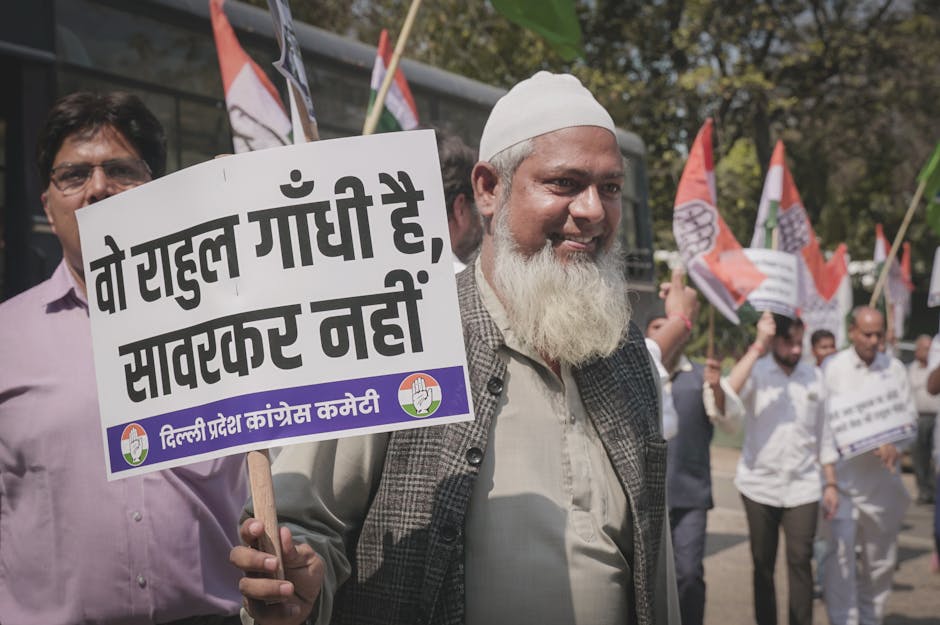
This moment matters because it embodies a broader cultural reckoning in India. Young people, increasingly disillusioned by corruption and ineffective leadership, are turning to social media not just for entertainment, but as a platform for protest. The Cockroach Janta Party pits the humor of the everyday citizen against the pompous rhetoric of politicians, making it a unique cultural phenomenon. The viral potential of this movement highlights an underlying dissatisfaction that could reshape the political landscape in ways traditional protests haven’t been able to capture.
The stakes around Cockroach Janta
What’s particularly striking is the irony here: while the elite scramble to dismiss this movement as frivolous, they fail to recognize its potential impact. The Cockroach Janta Party cleverly harnesses humor to critique the very system that has failed its people, suggesting that when faced with indifference, even the ugliest symbols can shine bright in the public consciousness. This isn’t just a fad; this is a movement that has the potential to galvanize a generation tired of playing by the rules of a rigged game.

So, who stands to gain? The activists who find their voice amplified in the cacophony of social media will likely surge forward, finding collective strength in their common disdain for ineffective governance. Conversely, the ruling elite, caught off guard, are at risk of losing their grip on power as they underestimate the potency of satire and grassroots movements. Their dismissive attitudes only serve to embolden the Cockroach Janta Party, creating a cycle of resistance that could spiral out of their control.
What could go wrong? As with any movement that challenges the status quo, the potential for backlash from authorities looms large. The government may resort to censorship or other measures to stifle dissent, but history suggests these attempts often backfire, transforming a nuisance into a rallying cry. The mainstream narrative, which often overlooks the power of humor as a political tool, risks missing an opportunity to engage with the undercurrents of societal change.
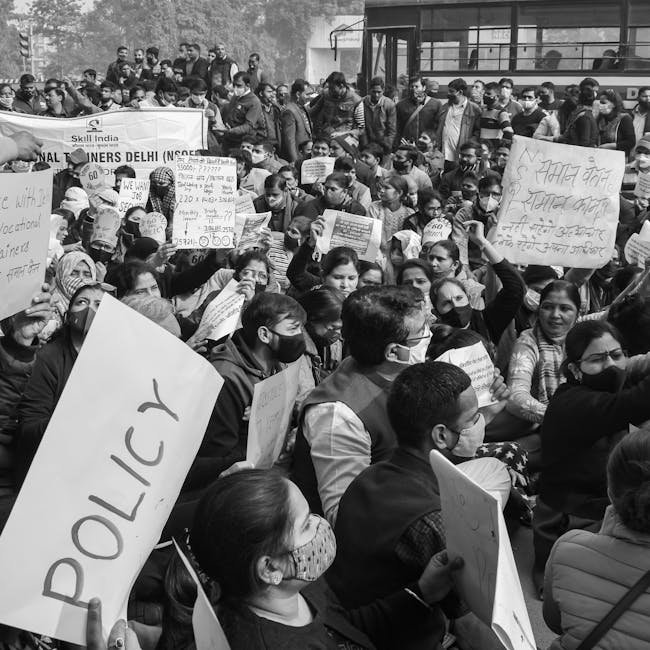
Ultimately, we might be witnessing the birth of a transformative force in Indian politics. The Cockroach Janta Party isn’t just a quirky social media trend; it’s a reflection of a populace ready to re-evaluate its relationship with power. This begs the question: if cockroaches can survive anything, can the same be said for a political elite that has long rested on its laurels? As this movement continues to grow, the answer may redefine the contours of India’s political future.
Source: Google — South Asia