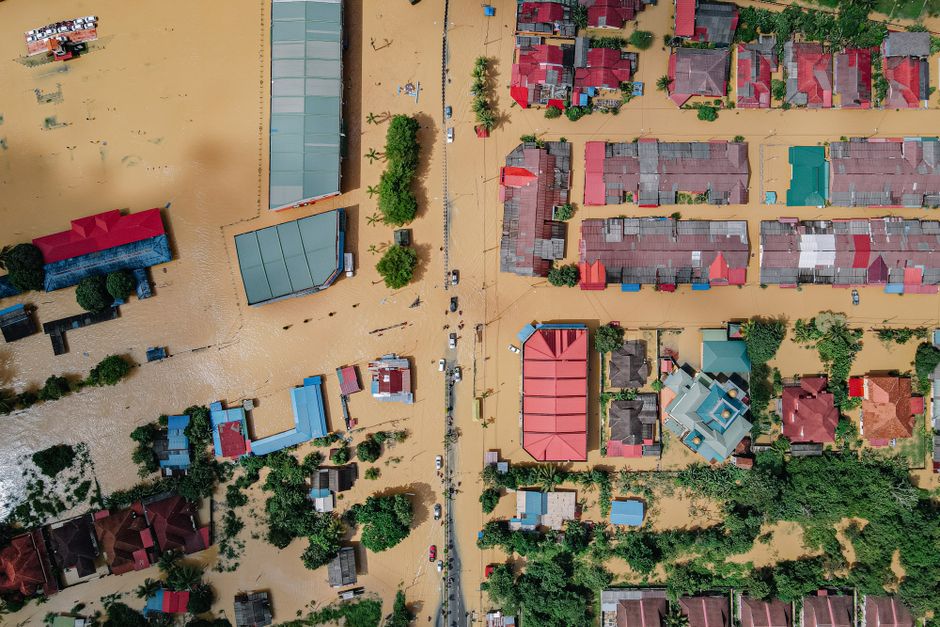
Another week, another “unprecedented” event shatters the illusion of control. When will we finally admit that what was once extraordinary is rapidly becoming the terrifying new baseline? Japan, a nation synonymous with resilience and preparedness, is grappling with yet another stark reminder that even the most advanced societies are not immune to the planet’s increasingly furious temper tantrums.
According to Guardian World, at least five people have died in eastern Japan after torrential, “unprecedented” heavy rain. The deluge left nearly 7,000 travelers stranded at Tokyo’s Narita airport and forced thousands more to seek refuge in government buildings. The heavy rains, hitting Chiba prefecture east of Tokyo on Thursday night, triggered widespread landslide warnings and power outages, leading to evacuation orders for over 400,000 residents.
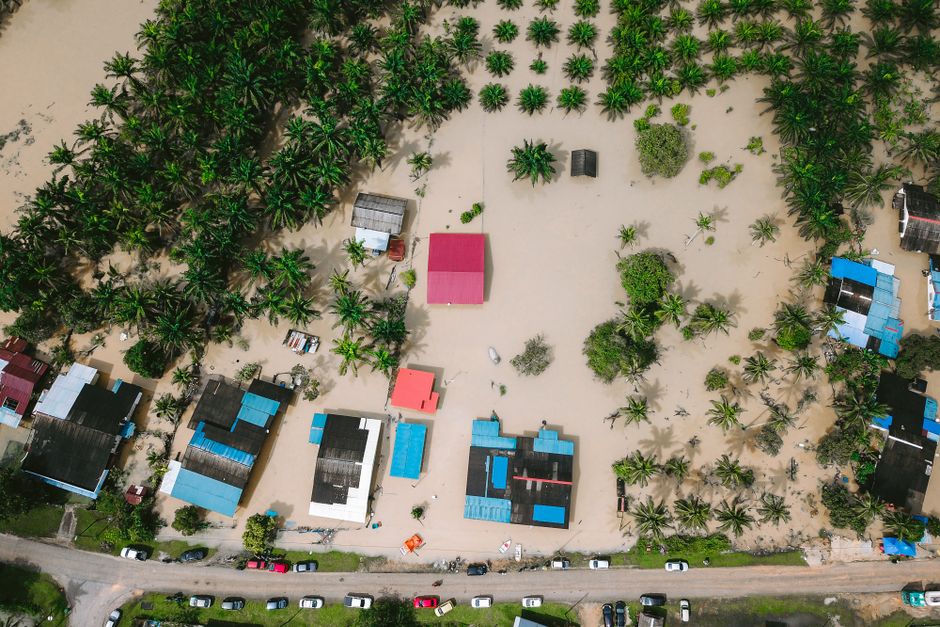
Japan’s New Normal of Unprecedented Weather
This isn’t just a weather report; it’s a flashing red light on the global dashboard. Japan, an island nation perched precariously in a seismically active and typhoon-prone region, has invested heavily in infrastructure designed to withstand nature’s fury. Yet, the phrase “unprecedented” has become a disturbingly regular fixture in reports from the archipelago, describing everything from heatwaves to floods. This incident in Chiba follows a pattern of increasingly severe and unpredictable weather events that challenge even Japan’s formidable engineering and disaster response systems.
The context here is critical. We’re witnessing the accelerating effects of climate change play out in real-time, even in nations that are often held up as models of preparedness. The immediate aftermath sees relief efforts, power restoration, and the laborious process of clearing roads and assessing damage. However, the deeper context involves a societal reckoning: how much more can be done? What are the limits of human adaptation when the very climate systems are shifting so dramatically? This event underscores the urgent need for a global re-evaluation of climate strategies, moving beyond mitigation to aggressive, large-scale adaptation.
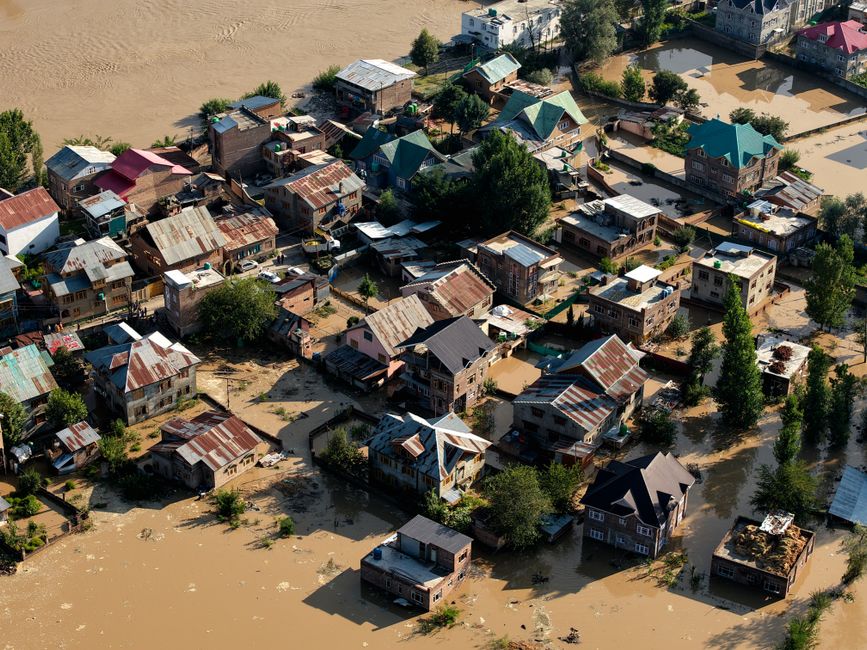
The Cost of Ignoring the Unprecedented
Let’s be blunt: the mainstream narrative often downplays the systemic implications of such disasters. While the immediate focus is on human tragedy and logistical nightmares, the true cost extends far beyond. For one, the disruption to Narita, a major international hub, sends ripple effects through global travel and supply chains. Airlines face cancellations, businesses lose productivity, and the tourism sector, a vital part of Japan’s economy, takes another hit. This isn’t just an inconvenience; it’s a direct economic drain.
Moreover, this incident will undoubtedly put intense pressure on the Japanese government. As the new week dawns, expect Monday’s political discourse to be dominated by questions of climate resilience and infrastructure spending. How will Prime Minister Fumio Kishida’s administration respond to calls for even greater investment in flood defenses and early warning systems? Will the conversation move beyond reactive measures to proactive, long-term strategies that acknowledge these “unprecedented” challenges are here to stay? The insurance market will also be watching closely, with premiums likely to climb in vulnerable areas, further burdening residents and businesses. Tech companies, meanwhile, will scramble to showcase new AI-driven predictive models or drone-based assessment tools, but technology alone cannot solve a problem rooted in fundamental planetary shifts.
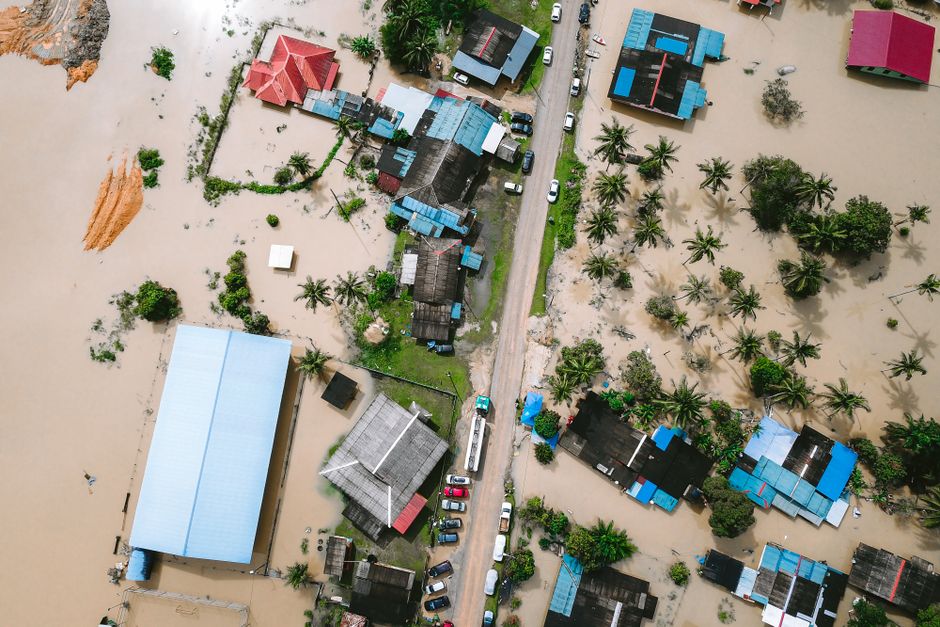
Who loses? The five families who lost loved ones, of course. But also, every single taxpayer who will foot the bill for rebuilding and reinforcing. Every traveler stuck in a terminal, every business owner who loses revenue. Who stands to gain? Perhaps the construction and engineering firms specializing in resilient infrastructure, or the climate tech startups promising solutions. But even their gains are a grim reflection of a world in crisis. We must ask ourselves: what price do we put on a false sense of security, built on the increasingly shaky ground that these events are still somehow “rare”?
The truth is, we are living in the era of the unprecedented, and our institutions are struggling to catch up. How many more “unprecedented” events will it take before our leaders truly grasp the magnitude of the transformation we are witnessing, and act with the urgency it demands?
Source: Guardian World