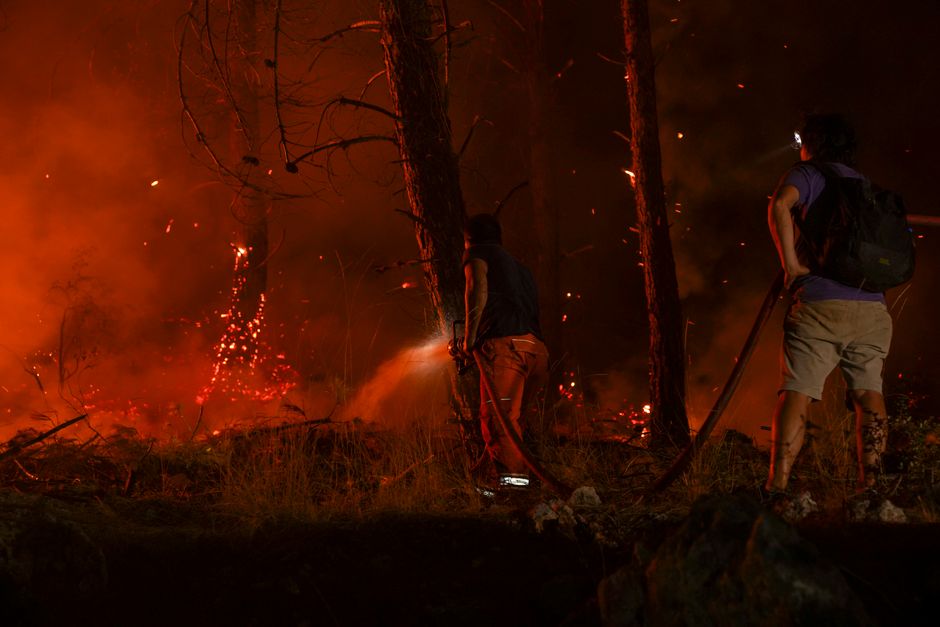
Another summer, another inferno. But this isn’t just another blaze; the **critical** fire weather gripping southern Utah isn’t merely complicating firefighting efforts – it’s screaming a warning we continually refuse to hear.
According to NPR Science, firefighters battling the nation’s largest current wildfire in southern Utah face historic weather conditions. These extreme wildfire behaviors are expected to persist through the upcoming weekend, deepening the crisis.
Critical Weather and Our Collective Blindness
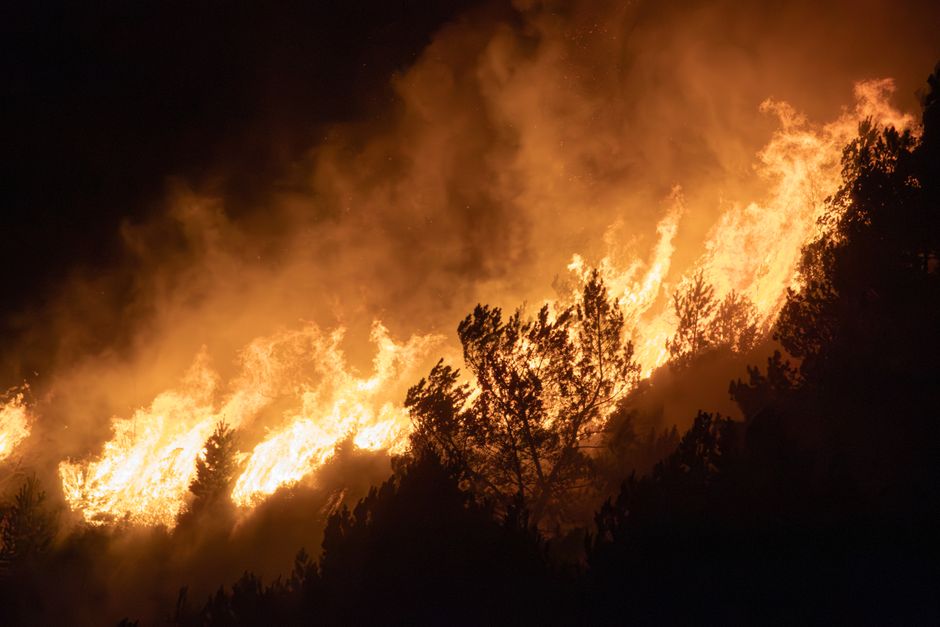
This isn’t a freak occurrence; it’s a terrifyingly predictable symptom of a larger illness. For years, scientists have sounded the alarm on the escalating risks of mega-wildfires, driven by prolonged droughts, record-breaking heatwaves, and a build-up of fuel in mismanaged forests. The conditions now challenging the efforts to contain the Utah blaze are not just ‘historic’; they are the new normal unfolding before our eyes.
The scale of this event, identified as the largest current wildfire in the U.S., speaks volumes. It’s a testament to the sheer power of nature when pushed to its limits, but also to our collective failure to adapt. We watch, year after year, as these conflagrations consume vast tracts of land, destroy homes, and pump unimaginable amounts of carbon into the atmosphere, further exacerbating the very conditions that fuel them.
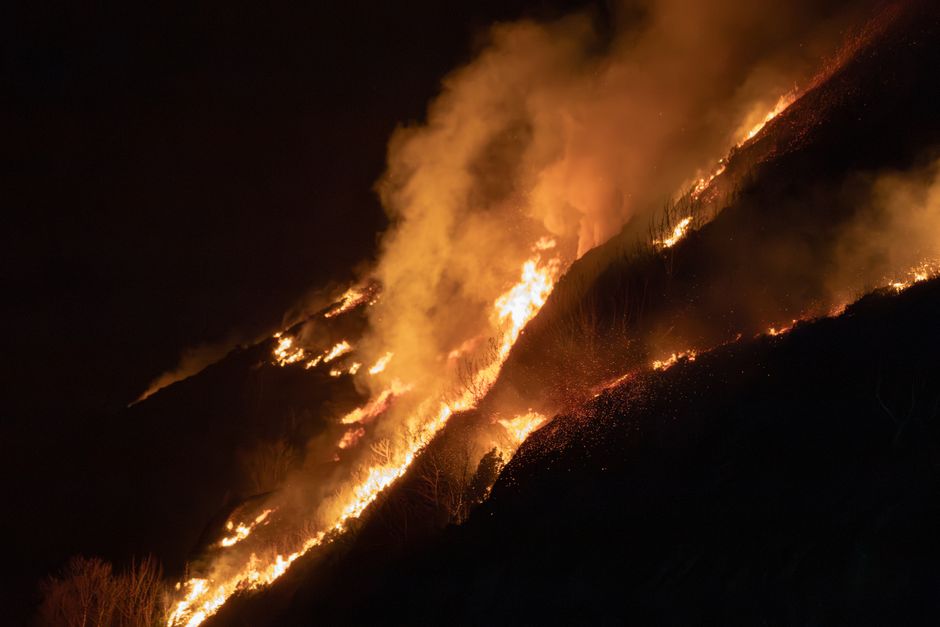
This cycle of destruction isn’t just an unfortunate event; it’s a **critical** feedback loop. The smoke alone from such fires can travel hundreds, even thousands of miles, impacting air quality and health far beyond the immediate burn zone. Meanwhile, the sheer economic cost – in firefighting resources, property damage, and ecological restoration – continues to skyrocket, becoming an unsustainable burden.
The Illusion of Control and Our Technological Hubris
Our response to these infernos often feels like a tragic loop: heroically battling flames with planes, bulldozers, and thousands of boots on the ground, only to face an even bigger blaze next season. While the bravery of firefighters is beyond question, relying solely on a reactive strategy against an enemy amplified by climate change is nothing short of technological hubris. We throw immense resources at the symptom while largely ignoring the disease.
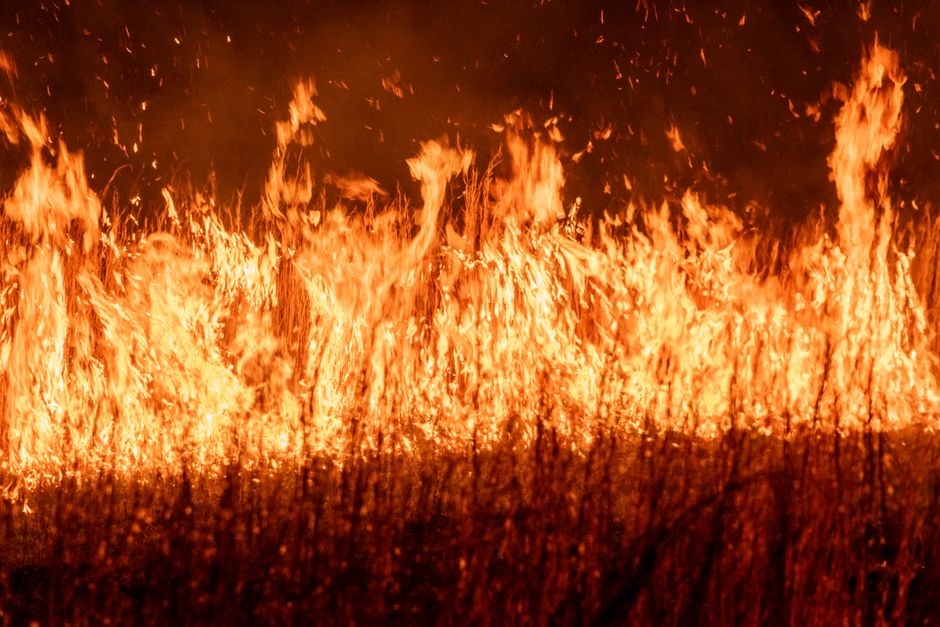
The science is clear: we need a paradigm shift. Instead of waiting for these **critical** events to erupt, we must invest heavily in proactive forest management – controlled burns, selective thinning, and the creation of fire-resilient landscapes. This isn’t just about preserving trees; it’s about protecting communities, water sources, and air quality, all of which are inextricably linked to ecosystem health.
Furthermore, the slow pace of adopting advanced predictive modeling and early detection technologies is baffling. Imagine a future where AI-powered drones constantly monitor vulnerable areas, identifying nascent fires before they explode into unstoppable giants. Or where satellite imagery provides real-time data to optimize resource deployment, rather than playing catch-up. The technology exists, yet widespread implementation lags, bogged down by bureaucracy and a lack of political will.
The mainstream narrative often paints these as unavoidable ‘acts of nature,’ absolving us of responsibility. However, that’s a dangerous delusion. The ‘historic weather conditions’ are a direct consequence of decades of unchecked carbon emissions, a fact too often sidestepped in favor of less uncomfortable explanations. We are not merely observers; we are participants in this unfolding catastrophe. And until we acknowledge that, the cycle of destruction will only intensify.
Who wins in this scenario? Frankly, no one. The environment suffers irreversible damage, communities are displaced, and the economy takes a relentless hit. We’re losing the battle against these fires because we’re not fighting the right war. We’re focused on containment, not prevention, and certainly not on the fundamental shifts required to address the root causes.
So as Utah burns, let’s not just offer thoughts and prayers. Let’s demand a reckoning. Let’s demand that our leaders finally treat climate action and sustainable land management not as optional luxuries, but as the absolute, **critical** necessities they truly are. Otherwise, this summer’s inferno is just a preview of the hell to come.
Source: NPR Science