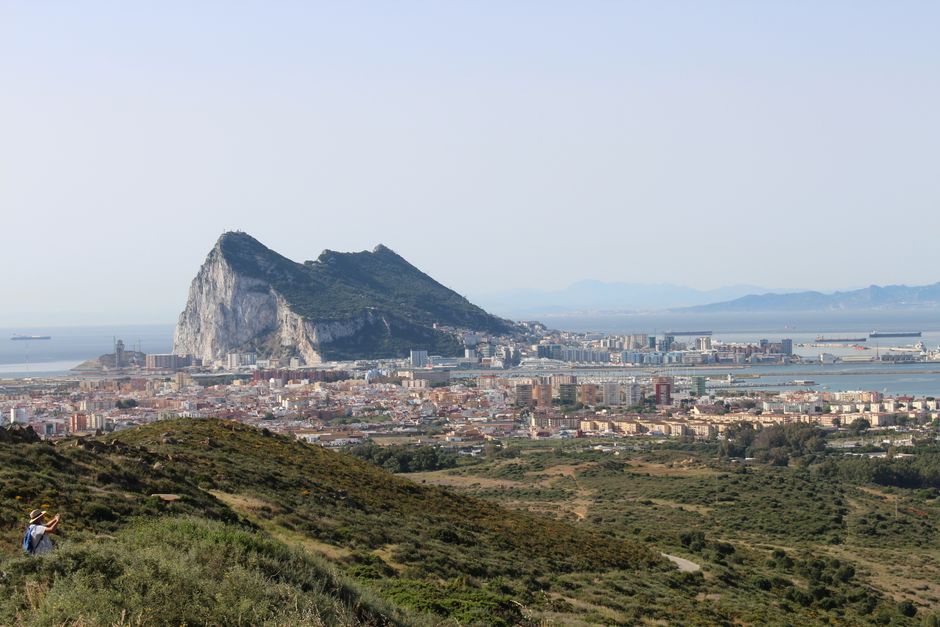
The Mediterranean has always been a fluid boundary, but what happens when the tide itself becomes a weapon? The recent scenes unfolding in Ceuta, a tiny Spanish enclave clinging to the Moroccan coast, aren’t just a humanitarian crisis; they are a stark, watery mirror reflecting deeper truths about Fortress Europe, diplomatic strong-arming, and the relentless, desperate march of humanity.
According to the Guardian Middle East, the Spanish government is now deploying extra troops and police to its north African enclave of Ceuta. This comes after an unknown number of people, potentially thousands, swam and waded into the territory from neighboring Morocco in a matter of hours, with videos showing crowds at Tarajal beach.
Spain’s Geopolitical Chess Match
This isn’t an isolated incident; it’s a deliberate pressure play, and Spain is caught squarely in the middle. Ceuta and Melilla, Spain’s two North African enclaves, represent the only land borders between the European Union and Africa. For decades, they have been flashpoints, drawing migrants from across the continent who see them as a perilous, yet tangible, doorway to a better life. The sudden, overwhelming surge isn’t merely a coincidence; it’s a clear signal from Morocco.
Morocco, a crucial partner in Europe’s efforts to control migration, has long played a delicate game. It receives substantial aid from the EU – and specifically from Spain – to act as a border guard, intercepting migrants before they reach European soil. However, this relationship is transactional, constantly renegotiated and often strained by other diplomatic disputes. When Morocco feels slighted, or when it wants to exert leverage, it has a habit of loosening its grip on the borders, allowing the human tide to swell. This tactic isn’t new; it’s a well-worn page from its geopolitical playbook.

The immediate trigger for this particular episode is likely complex, but it almost certainly involves broader diplomatic tensions. Perhaps it’s a dispute over fishing rights, sovereignty claims, or even international recognition of disputed territories. Whatever the underlying friction, the message sent to Spain is undeniable: Morocco controls the tap, and it can turn it on or off at will. This puts Spain in an incredibly awkward position, trying to balance its sovereign control with its humanitarian obligations and its diplomatic ties.
Europe’s Leaky Borders and Moroccan Leverage
Let’s be clear: this situation exposes the fundamental fragility of Europe’s border strategy. For years, the EU has outsourced its migration problem, paying countries like Morocco, Turkey, and Libya to act as buffers. The idea is simple: keep the problem “over there.” However, this strategy is inherently unstable, creating dependent relationships where the “gatekeepers” gain immense leverage. When thousands of people suddenly appear on Spanish beaches, it’s not just a humanitarian crisis for Spain; it’s a PR disaster for the entire European project of a controlled, secure external border.
The immediate losers are, as always, the migrants themselves. They are pawns in a cynical diplomatic game, pushed into dangerous waters, risking everything for a gamble that is often rigged against them. Their desperation is exploited, their hopes weaponized. Spain, for its part, is forced to react, deploying more security forces to manage a situation that should never have escalated to this point. This response, while necessary to secure its borders, inevitably draws criticism from human rights groups, painting Spain as harsh, even inhumane, for defending its sovereign territory.
Meanwhile, the mainstream narrative often misses the deeper currents at play. It’s easy to focus on the images of crowds and the immediate security response. But the real story is the power dynamic. Morocco gains significant bargaining chips, demonstrating its indispensable role in Europe’s migration management. It forces Spain to the negotiating table, reminding Madrid – and Brussels – of its strategic importance. The cost of “Fortress Europe” isn’t just financial; it’s political, moral, and increasingly, humanitarian.
Europe talks a big game about shared values and solidarity, yet when a member state like Spain faces a sudden, overwhelming influx, the response is often slow, fragmented, and focused on containment rather than comprehensive solutions. This isn’t just about the immediate crisis in Ceuta; it’s a symptom of a larger, systemic failure to develop a humane, sustainable, and unified migration policy. The current approach is reactive, not proactive, and it leaves individual nations vulnerable to geopolitical maneuvering.
The spectacle of thousands wading ashore is a powerful visual argument against the illusion of control. It demonstrates that walls, fences, and patrols, while formidable, are ultimately no match for the combined forces of human desperation and political opportunism. It’s a harsh reminder that the notion of neat, impermeable borders between continents is an increasingly quaint fantasy in a world grappling with climate change, conflict, and economic disparity.
This incident in Ceuta isn’t just a border breach; it’s a tremor in the foundations of “Fortress Europe,” a warning that even the most heavily guarded walls can be dissolved by the relentless tide of human desperation and the strategic maneuvers of neighboring powers. What will be left when the water finally recedes, and what will Spain and the rest of Europe learn from it?
Source: Guardian Middle East