The ongoing chaos of immigration policy in North America is a grim reminder that the border isn’t just a line on a map—it’s a death sentence for many. As Canada tightens its asylum rules, vulnerable refugees are finding themselves tossed into the maw of U.S. immigration detention systems, where hope for a better future can evaporate in an instant.
According to the Guardian, Markens Appolon, a 25-year-old fleeing gang violence in Haiti, had a simple dream: to reunite with his family in Montreal. Instead, after a failed border claim, he was handed over to ICE and has been languishing in detention for months. His story is not an isolated incident; it’s a chilling reflection of how immigration policies can turn the quest for safety into a nightmare.
The Dark Side of Immigration Policy
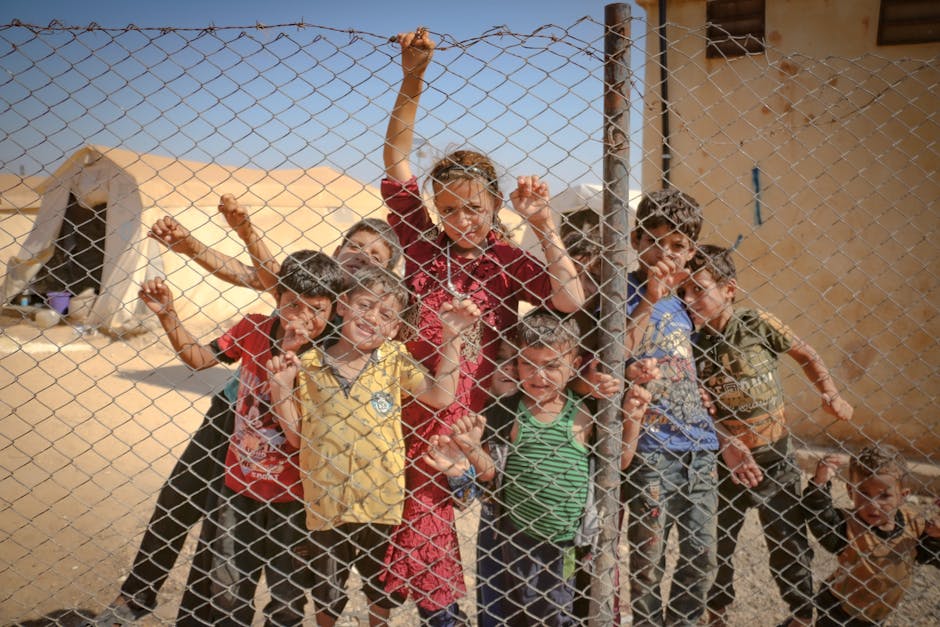
The tightening of asylum rules in Canada is part of a broader trend that continues to prioritize national security over humanitarian needs. This shift started years ago, under the guise of protecting borders and managing resources, but now it’s driving desperate individuals into the hands of a system notorious for its brutality. The players in this drama are numerous: Canadian authorities who claim to be safeguarding their nation, American immigration officials eager to enforce the law, and refugees like Appolon who just want to escape violence and build a life.
What’s particularly alarming is how easily these policies disregard the humanity of those affected. Appolon and others who seek refuge are treated not as individuals but as statistics to be processed and eliminated from the system. The irony here is palpable: Canada prides itself on being a haven for refugees, yet its policies are inadvertently facilitating the very abuse it claims to combat.
A Lose-Lose Situation
The stakes in this immigration crisis are high. On one hand, Canada’s decision to tighten asylum regulations aims to curb the influx of people seeking refuge. However, the immediate consequence is the suffering of refugees who are merely looking for safety. For Appolon, every day in detention is a day lost—a day where dreams of peace and family are replaced by uncertainty and fear.
Meanwhile, the U.S. immigration system continues to be a battleground for human rights, with ICE at the forefront of controversies surrounding detention conditions and deportations. The mainstream narrative often misses the point: this isn’t just about enforcement; it’s about lives being irrevocably altered. The compound trauma of being rejected, detained, and potentially deported creates a cycle of despair that is difficult to escape.
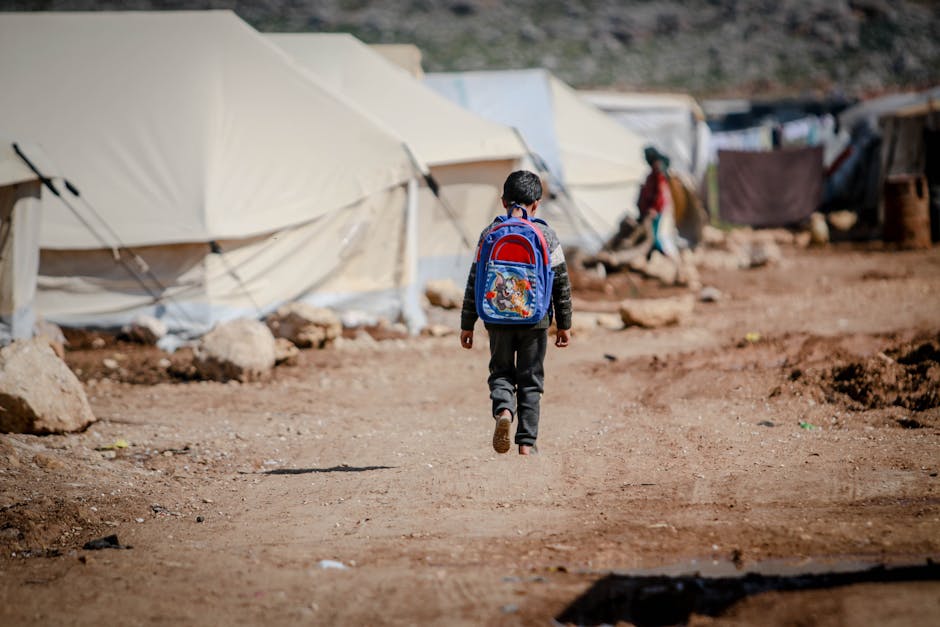
Some may argue that stricter immigration policies are necessary for national security, but at what cost? The damage done to individuals like Appolon is immeasurable. There’s a growing sense that the emphasis on control and regulation in immigration is overshadowing the moral imperative to provide sanctuary for those in dire need.
As countries grapple with these complex issues, the message is clear: immigration isn’t just a political talking point; it’s a human story. The compassion we extend—or fail to extend—has real consequences for those who are desperate for safety.
So, what will it take for Canada to reconsider its approach to asylum seekers? The current trajectory suggests further tightening, which will only deepen the crisis. If we continue to treat people like Appolon as mere commodities in an immigration chess game, we risk losing the very essence of who we are—nations built on principles of freedom and safety for all.
As the story unfolds, one can’t help but wonder: how many more lives will be caught in this harsh web of immigration policy before we decide to prioritize humanity over bureaucracy?
Source: Guardian World