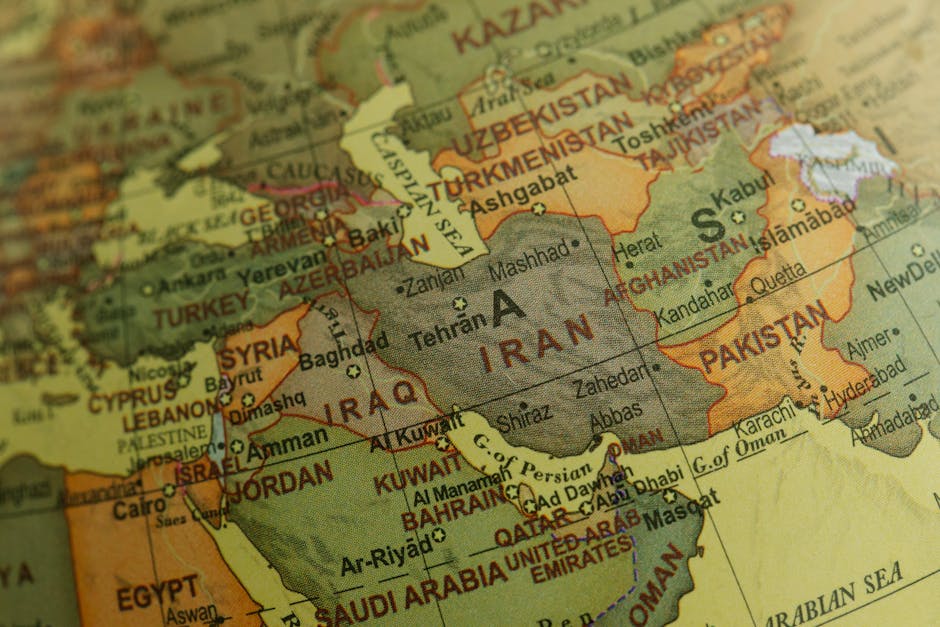
Iran pakistan frames the debate here: Why should anyone trust Pakistan as a mediator in the tumultuous relationship between Iran and Saudi Arabia? This question isn’t just a throwaway line; it’s a legitimate concern that echoes across the geopolitical landscape. As the world remains on high alert for any signs of conflict in the Middle East, the suggestion that Pakistan might step into the mediator’s role raises eyebrows, and for good reason.
Why Iran pakistan matters now
According to the Wall Street Journal, Pakistan’s recent overtures to mediate between Iran and Saudi Arabia have met with skepticism. The backdrop to this is not just a regional rivalry but a history riddled with Pakistan’s own internal challenges and inconsistent foreign policy decisions. How can a country grappling with its own identity and security concerns possibly facilitate a dialogue between two nations that are themselves at a perpetual crossroads?
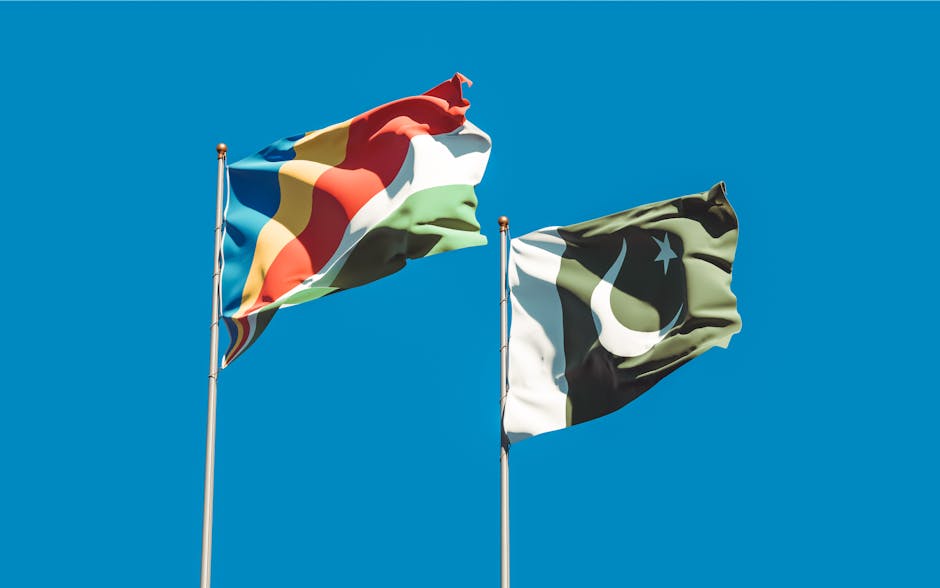
The stakes are high. Iran and Saudi Arabia are not just neighbors; they are rivals whose tensions have led to proxy wars across the region. The relationship is steeped in sectarian divides, power struggles, and national interests that are not easily reconciled. Pakistan, long seen as a close ally of Saudi Arabia, has its own interests to navigate. Meanwhile, Tehran must view Islamabad with skepticism, questioning its reliability as a neutral party. Given Pakistan’s history of flip-flopping between allegiances and its troubled state, trusting it to mediate effectively seems like a gamble with high stakes.
The stakes around Iran pakistan
So who stands to benefit in this precarious game? The most obvious winners would be Pakistan’s leadership, eager to enhance their international standing and showcase diplomatic prowess. However, this could backfire spectacularly if negotiations falter, leaving Pakistan to face the wrath of both Iran and Saudi Arabia. Let’s not forget the potential for increased sectarian violence or regional destabilization should talks implode. The mainstream narrative often glosses over these potential crises, instead painting a rosy picture of Pakistani diplomacy.
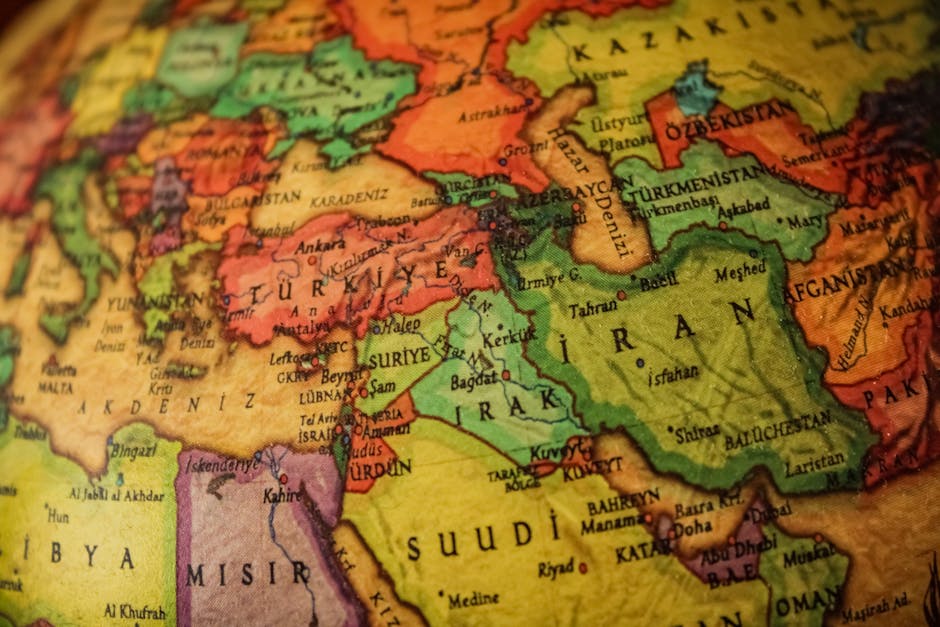
And let’s be frank: it’s not just about neutrality. Trust is foundational in any mediation process. Can a nation that is struggling with its own security issues, economic woes, and political instability truly present itself as a credible mediator? The answer seems to be a resounding no. The irony is palpable; a country embroiled in its own crises attempting to solve the long-standing disputes of others. It’s a precarious balancing act — and one that could easily topple over.
As we watch the developments unfold, one can’t help but wonder: is this a serious diplomatic initiative or merely a strategic ploy by Pakistan to regain relevance in the eyes of the international community? The question lingers, just as the risks do. If trust is absent, every step taken could lead to more discord than unity. The world will be watching, and the outcome could have ramifications not just for Pakistan, Iran, and Saudi Arabia, but for the entire region.
At the end of the day, history tells us that when trust is lacking, very little can be achieved. Pakistan’s intentions may be noble, but the reality is stark — without credibility, their role as a mediator may be more of a hindrance than a help. The roads to Tehran and Riyadh may well be paved with good intentions, but without the right navigator, they could lead straight to disaster.
Source: Google — South Asia