Is there any greater gamble than a company betting its reputation, and billions of dollars, against the health claims of ordinary people? The ongoing saga around **Bayer** and its controversial Roundup weedkiller is a stark, uncomfortable lesson in corporate power versus public safety. It’s a legal battle that continues to define the boundaries of accountability in the modern age, with ramifications far beyond any single courtroom.
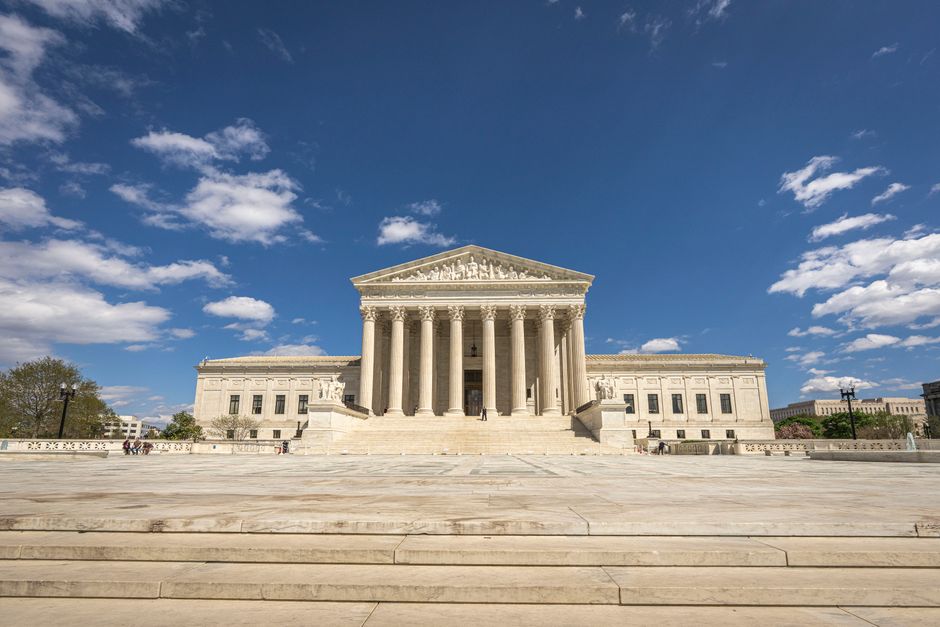
According to DW News, the German pharmaceutical and life sciences giant has been besieged by lawsuits alleging it failed to include cancer warnings on its Roundup pesticide. This legal onslaught persisted even as US regulators reportedly took a stance against requiring such a warning, complicating Bayer’s defense significantly. Now, the critical question DW News poses is whether a recent Supreme Court development will ultimately shield the chemical titan from the staggering financial burden of billions in potential payouts.
The Persistent Shadow Over Bayer’s Legal Strategy
This isn’t a new fight; it’s a protracted war that began long before Bayer acquired Monsanto, the original creator of Roundup, in 2018. That acquisition came with a price tag of $63 billion and, arguably, an even larger liability in the form of these mounting lawsuits. The core of the legal challenge revolves around glyphosate, the active ingredient in Roundup, and its alleged link to non-Hodgkin lymphoma. Plaintiffs claim that Monsanto, and by extension Bayer, knew or should have known about these risks and deliberately withheld information from consumers.
The context of US regulators opposing a warning label is crucial here. On one hand, Bayer can point to this as evidence that they were not defying official guidance. On the other, critics argue that corporate influence often plays a role in regulatory decisions, and that a lack of a *required* warning doesn’t absolve a company of its own ethical responsibility to inform consumers of potential risks. This tension between regulatory compliance and corporate due diligence is where the justice system is being tested. Meanwhile, thousands of plaintiffs, many of whom are farmers or landscapers, claim their lives have been irrevocably altered by exposure to the product, leaving them with debilitating illnesses and a powerful sense of betrayal.
Who Wins When Corporate Giants Dodge the Bullet?
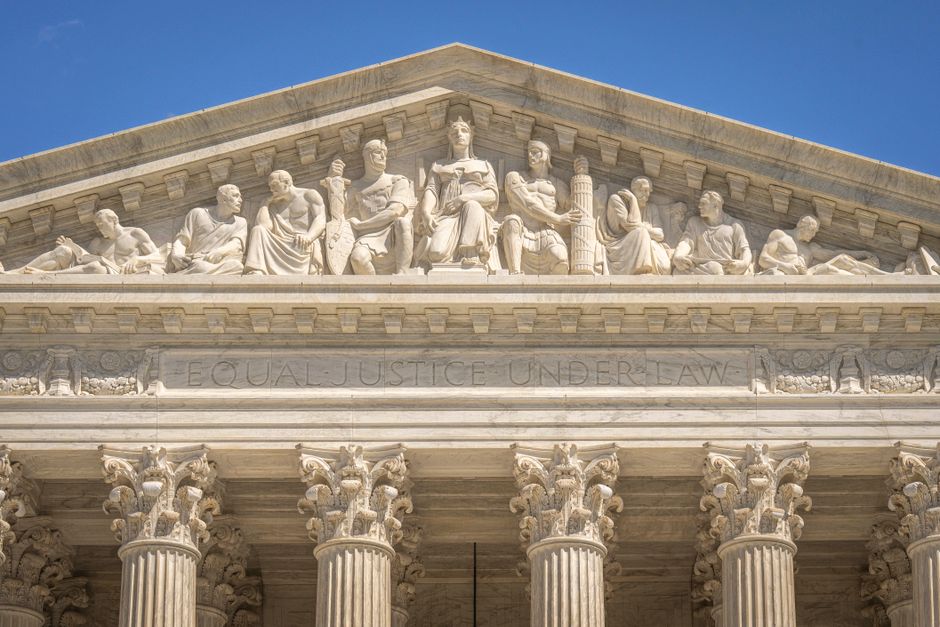
The possibility of **Bayer** being shielded by a Supreme Court decision isn’t just a win for a single corporation; it’s a seismic shift that could redefine product liability law across the entire industrial landscape. If the highest court essentially affirms that companies are largely absolved of liability when federal regulators don’t mandate a warning, it sets a chilling precedent. This decision could fundamentally alter the balance of power, making it incredibly difficult for individuals to seek redress against powerful corporations in future cases involving controversial products. It’s a move that could effectively tell injured parties that regulatory inaction is a sufficient corporate shield, even when independent scientific evidence suggests otherwise.
On the flip side, Bayer argues that it has consistently defended the safety of Roundup, citing decades of scientific research and regulatory approvals worldwide. Their position is that complying with federal labeling requirements should be enough, and that state-level lawsuits attempting to impose additional warnings or liability undermine a coherent national regulatory framework. This argument, while legally sound in a particular interpretation, feels hollow to those who believe corporations have a higher duty than simply meeting the bare minimum of regulations that are themselves often influenced by lobbying.
For the week ahead, the implications of such a ruling will ripple through the markets. Investors in other industries facing similar product liability challenges will be watching closely. A decision favoring **Bayer** could boost confidence in companies operating with contentious products, potentially leading to a rally as perceived legal risks diminish. Conversely, it would be a stark blow to the “crime-justice” desk’s focus on corporate accountability, signaling that the scales of justice are tipping further towards corporate interests over individual harm. The question isn’t just about billions; it’s about whose lives and livelihoods are deemed expendable in the pursuit of profit.
If the Supreme Court does indeed offer Bayer a comprehensive shield, it will be a grim day for consumer protection and a resounding declaration of corporate impunity. What does it say about our justice system if a company can knowingly market a product linked to serious illness, and then use regulatory loopholes to escape the full weight of responsibility? The battle for justice may be far from over, but the terrain just got a lot rockier for anyone standing in the way of big business.
Source: DW News