
Is Bangladesh really ready to stir the geopolitical pot in South Asia by purchasing a fighter jet from China and Pakistan? This question looms larger than ever as the South Asian nation considers a deal that could dramatically change the regional balance of power.
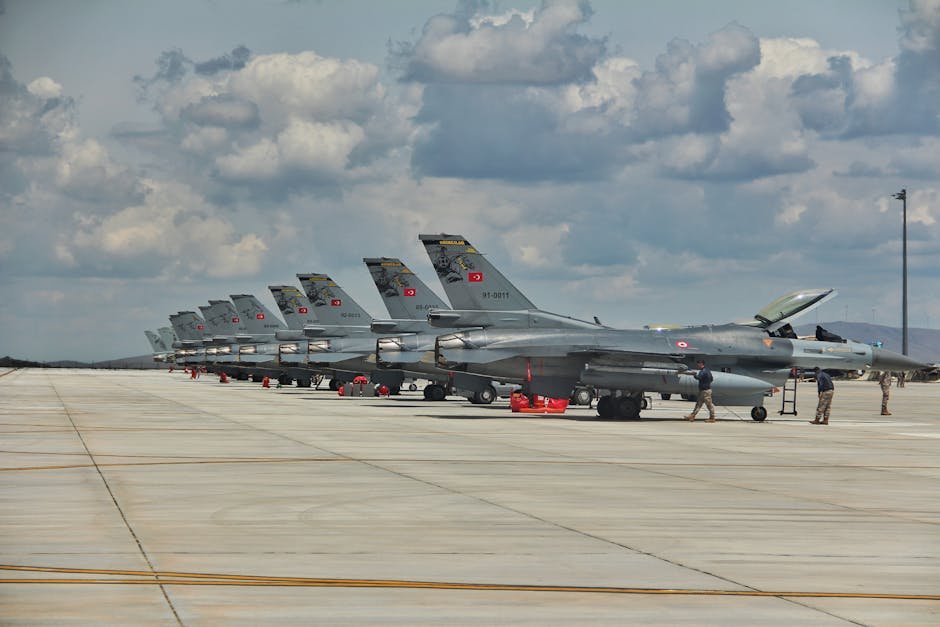
According to the South China Morning Post, Bangladesh is reportedly in talks to acquire fighter jets from a collaboration between China and Pakistan. This move is raising eyebrows, particularly among its neighbors India and Myanmar, who have a vested interest in maintaining the status quo.
The Stakes in South Asia
Why does this matter now? In a region already fraught with tensions, the introduction of advanced military technology can tip the scales toward conflict or deterrence. Bangladesh’s strategic decision comes on the heels of increasing defense cooperation between China and Pakistan, a relationship that has historically made India uneasy. The dynamics of South Asia are changing, and each small shift comes with considerable implications.
Bangladesh, while relatively small, has been flexing its muscles on the global stage, eyeing a more significant role in South Asian affairs. However, this ambition may come at a cost. The potential acquisition of Chinese-Pakistani fighter jets not only signals a shift in Bungladesh’s defense posture but also opens the door for India to rethink its own military strategies.
Who Wins and Who Loses?
Here’s the kicker: while Bangladesh might think it’s gaining an edge, it could be miscalculating the fallout. The primary winner here could be China, which not only expands its influence in South Asia but also solidifies its defense ties with Pakistan. This deepening relationship could also lead to more sophisticated military capabilities flowing to other regional players.
On the flip side, India stands to lose the most in this game. A more militarized Bangladesh could embolden its position against India, leading to heightened tensions. India might respond by ramping up its defense spending or forming new alliances to counterbalance this emerging threat. There’s a real risk that small skirmishes could escalate into larger confrontations, further destabilizing South Asia.

Moreover, the mainstream narrative often overlooks the counterarguments. Proponents of the deal might argue that Bangladesh is merely exercising its sovereignty and right to defense. However, the reality is that this purchase sets a dangerous precedent in a region already fragile from historical rivalries.
As the dust begins to settle around these negotiations, the question remains: can Bangladesh navigate this complex web of alliances without finding itself ensnared in a greater conflict? The risks are palpable, and the stakes are high.
In a rapidly changing geopolitical landscape, Bangladesh could either emerge as a new player on the South Asian chessboard or become just another pawn caught in a battle of giants. The week ahead is pivotal, and the implications of this potential deal could reverberate far beyond its borders. Are we witnessing another chapter in the age-old story of power struggles in South Asia, or is a new narrative beginning to unfold? Only time will tell, but the warning signs are clear.
Source: Google — South Asia