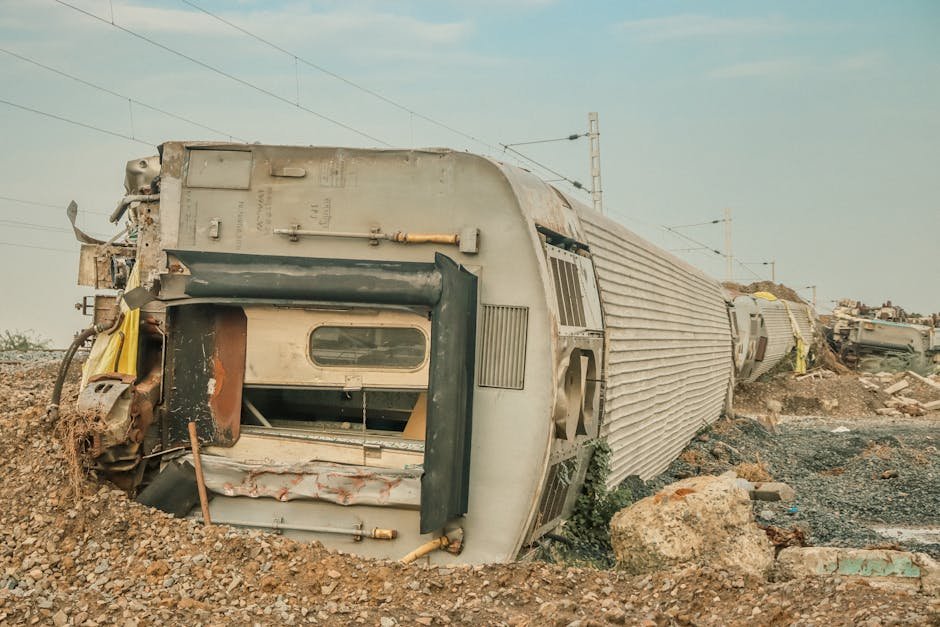
Balochistan Bombing frames the debate here: In a region already fraught with tension, the latest attack in South Asia reveals a chilling truth: violence continues to be the currency of power. A devastating blast targeting a train in Balochistan has left at least 24 people dead and many more injured, as reported by the BBC. Once again, innocent lives are caught in the crossfire of a conflict that has persisted for decades.
South Asia’s Continued Instability
This tragic incident isn’t happening in a vacuum. The attack comes at a time when Balochistan is already a hotbed of insurgency and ethnic strife, underscoring the fragility of governance in the province. The Pakistani government has faced intense criticism for its inability to provide basic security, particularly to regions that have long been neglected. This blast serves as a bitter reminder that violence remains a frequent visitor in South Asia, fueled by deep-rooted grievances and rivalries.
As the country grapples with these security challenges, the stakes rise for both local authorities and international observers. The geopolitical ramifications of unrest in this region stretch far beyond its borders, influencing everything from trade routes to foreign diplomacy. Countries like India and Afghanistan are closely watching how Islamabad responds to such attacks, knowing full well that instability in South Asia can have ripple effects across the globe.
The Stakes of Violence in South Asia
This latest tragedy serves as a stark reminder of the high stakes involved in South Asia’s ongoing saga of violence and retribution. Who truly wins when the lives of ordinary citizens are claimed? The victims in Balochistan weren’t just numbers; they were mothers, fathers, and children caught in a relentless cycle of violence. Meanwhile, the attackers may believe they are achieving something profound with such horrific acts, but the truth is that they are only perpetuating a cycle of pain.
As the world turns its eyes towards South Asia, the question lingers: how can a region so rich in culture and history continue to suffer such brutality? The mainstream narrative often overlooks the socio-economic factors that fuel these conflicts. Underlying issues like poverty, discrimination, and lack of education play a significant role in breeding extremism. If the international community and the Pakistani government wish to stem this tide of violence, they must first address these root causes, rather than simply responding with military might.
Furthermore, there is a risk that this incident will be politicized, with various factions and leaders attempting to capitalize on public outrage for their agendas. In a country where political instability is rampant, such tragedies can be twisted to serve the interests of a few, rather than the healing of the collective national psyche.
As the dust settles and the grieving begins, the challenge remains: can Pakistan and its neighbors rise above the chaos that has long engulfed South Asia? Or will they remain trapped in a history that repeats itself? Perhaps the most uncomfortable truth here is that without concerted effort from both regional players and global stakeholders, the innocent victims of today will merely be another statistic in tomorrow’s headlines.
In the wake of this tragedy, we must confront the uncomfortable reality that the future of South Asia hangs in a delicate balance. The violence seen in Balochistan may not be the end, but merely a prelude to further conflict unless serious action is taken. The question is no longer if there will be more attacks, but rather how long we can watch as this cycle perpetuates without meaningful change.
That tension around Balochistan Bombing is not going away.
Source: Google — South Asia