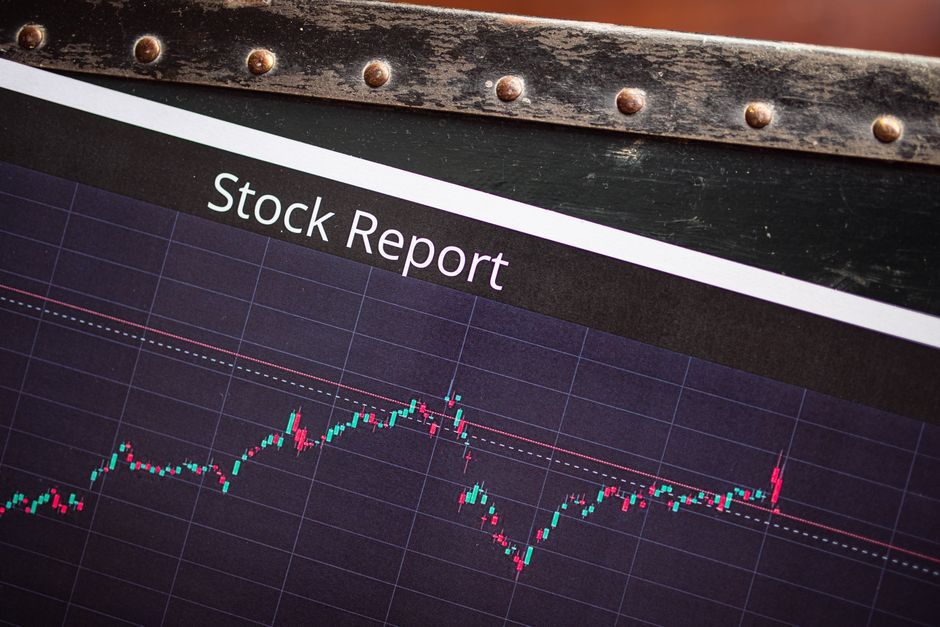
The market has officially lost its collective mind, or perhaps its nerve, when it comes to the future of **artificial intelligence**. How else do you explain a crash in memory stocks when the underlying business is not just booming, but posting historic results? This isn’t a dip; it’s a full-blown panic attack on Wall Street, entirely detached from reality.
According to reports, major memory manufacturers like SK Hynix, Micron, and Sandisk are currently posting the best financial results in their entire histories. Despite this unprecedented success, their stock prices are inexplicably plummeting. The conventional wisdom simply doesn’t apply here.
The Artificial Intelligence Paradox
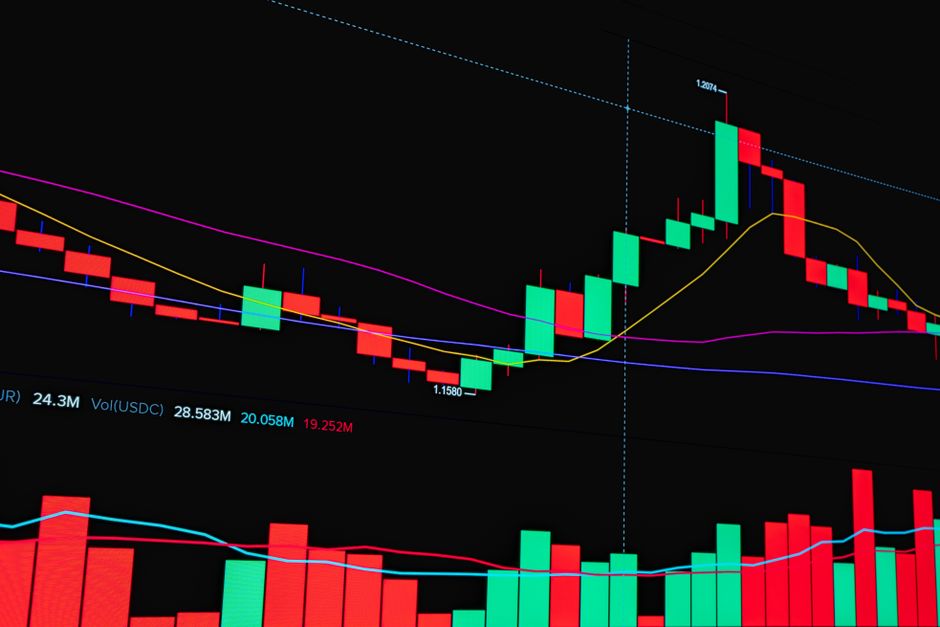
This seemingly irrational market behavior isn’t happening in a vacuum. It’s a direct reaction to the dizzying highs and subsequent jitters surrounding the **artificial intelligence** boom. For months, the market was gripped by a speculative frenzy, pushing valuations of anything tangentially related to AI to stratospheric levels. Investors, particularly those chasing short-term gains, poured billions into the sector.
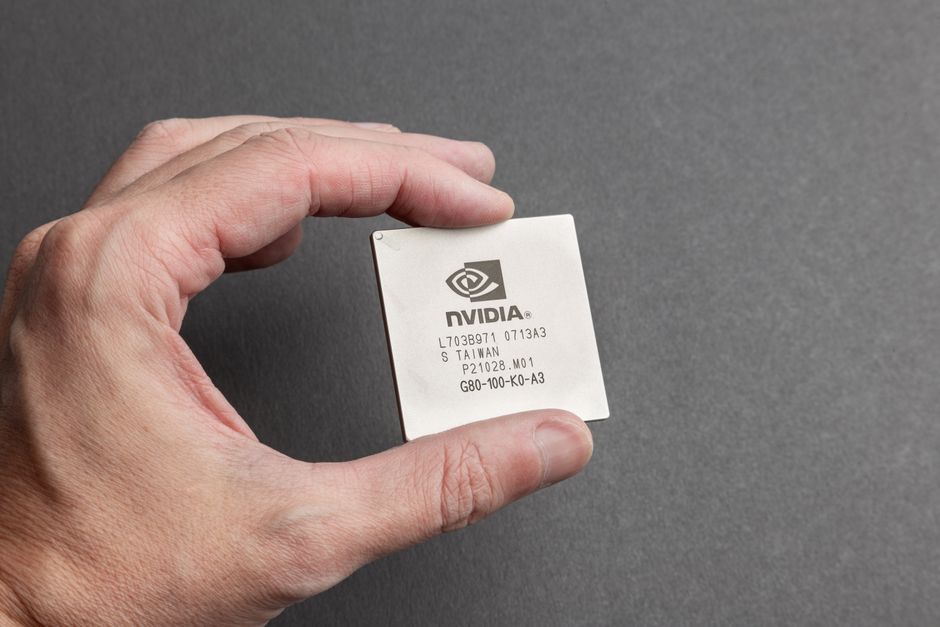
Memory, specifically high-bandwidth memory (HBM), is the unsung hero powering the AI revolution. Every large language model, every generative AI application, and every new data center needs vast quantities of this specialized, high-performance memory to function efficiently. The demand for these components has been relentless, driving the record profits we’re seeing from the major players. This isn’t just a fleeting trend; it’s a foundational requirement for the ongoing digital transformation. The irony is that the very technology that underpins this growth is now being discounted by the market.
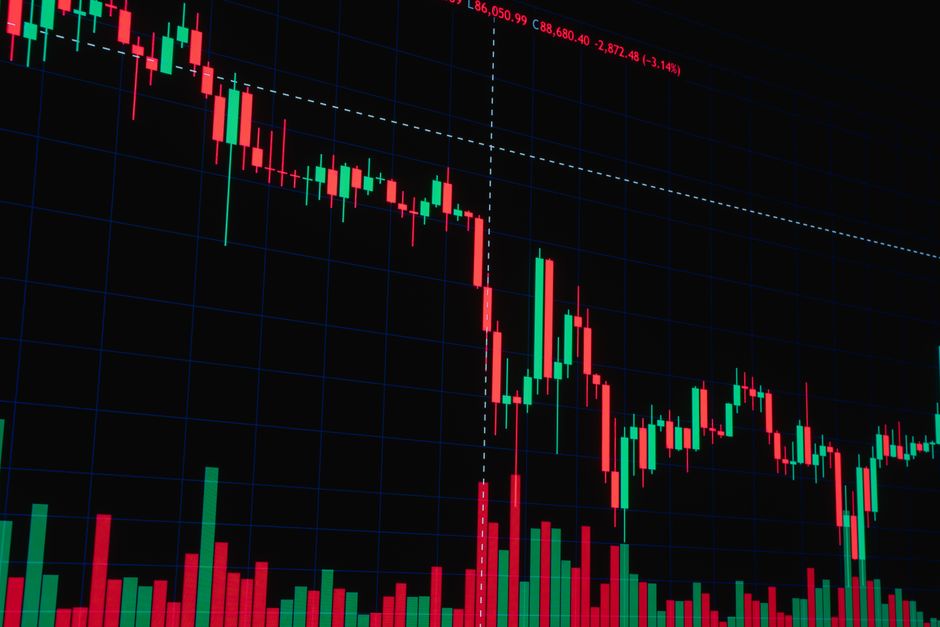
What we’re witnessing now is the inevitable hangover from that initial euphoria. Some analysts and institutional investors, spooked by the sheer speed of the ascent, are now anticipating a slowdown. They project future oversupply or a cooling of demand, despite all current indicators pointing in the opposite direction. This is less about fundamental analysis and more about behavioral finance: the herd mentality taking over once the initial excitement wanes.
The Street’s Short-Sighted Blunder
Let’s be clear: this isn’t the end of the AI memory boom. It’s a market correction based on fear, not facts. The Street, in its usual short-sighted fashion, is pricing in a future that simply doesn’t align with the present or the foreseeable trajectory of **artificial intelligence** development. They’re looking for the next new catalyst, rather than appreciating the immense, sustained demand already baked into the system.
Who wins in this scenario? The smart money, that’s who. While the retail investors and momentum traders are running for the exits, selling off perfectly healthy assets at a discount, long-term institutional players and savvy individual investors are likely accumulating. They understand that the infrastructure build-out for AI is still in its early to middle stages. The need for faster, denser, and more efficient memory isn’t going away; it’s only going to intensify.
Of course, a counter-argument might suggest that future competition from new entrants or technological shifts could eventually erode margins. That’s a valid long-term concern for any industry. However, the current market reaction is far too extreme to be solely attributed to those distant possibilities. This feels more like a knee-jerk de-risking, abandoning a winning hand simply because the game has gotten too popular. The real risk isn’t in holding these companies; it’s in selling them off at their peak performance.
The mainstream narrative is missing the forest for the trees. They’re so focused on the daily fluctuations and the immediate headlines that they’re ignoring the immense, structural shift that AI represents. Memory is the fuel for this revolution. And right now, the gas stations are reporting record sales, while their stock prices are being treated like they’re selling horse-drawn carriages. This disconnect is staggering.
The panic selling in memory stocks is not a sign of the **artificial intelligence** boom ending; it’s a glaring indicator of market immaturity. While others are hitting the panic button, the truly insightful are seeing a profound opportunity. Will the market ever learn to distinguish between sustained growth and speculative bubbles, or are we doomed to repeat these cycles of irrational exuberance and unwarranted despair?
Source: NewsAPI:q