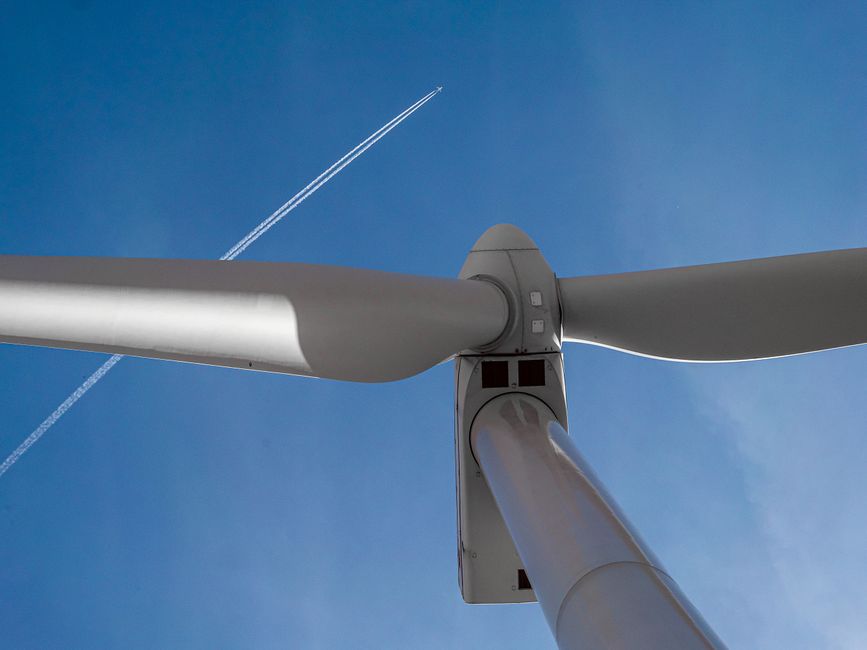
Let’s be brutally honest: for all the talk of green futures, the skies above us still hum with the sound of carbon emissions, leaving behind ghostly trails that actively warm our planet. Now, however, there’s a new player entering the fray, promising to tackle this airborne menace: **artificial intelligence**. But is this another glimmer of hope in the climate fight, or just a shiny, tech-centric distraction from the industry’s deeper problems?
According to BBC Technology, a new UK trial is deploying AI to predict and reduce the condensation trails, or ‘contrails,’ left by planes. These ephemeral streaks, often dismissed as mere aesthetics, are far more insidious, acting like high-altitude blankets that trap heat in the Earth’s atmosphere.

The Unseen Threat: Aviation’s Carbon Contrail Conundrum
The aviation industry faces a monumental challenge, perpetually caught between growing global demand for travel and the undeniable imperative to decarbonize. While much of the focus naturally falls on direct CO2 emissions from burning jet fuel, the issue of contrails, dubbed “sky graffiti” by some, has long been a quiet, persistent threat. They are estimated to contribute significantly to aviation’s overall climate impact, sometimes even surpassing the direct warming effect of the CO2 emitted during the flight itself. This isn’t just a European problem; every major aviation hub, from Dubai to Delhi, contributes to this global atmospheric alteration.
The science is clear: planes flying through specific atmospheric conditions – typically cold, humid air – create ice crystals that form visible trails. These trails can persist for hours, spreading out into cirrus clouds that prevent heat from escaping the planet. Therefore, simply avoiding these atmospheric ‘hotspots’ could have an immediate, tangible impact on warming. This is precisely where the promise of sophisticated **artificial intelligence** steps in, offering a data-driven solution to a complex meteorological puzzle.

Is Artificial Intelligence a Silver Bullet or Just a Band-Aid?
Here’s my take: while the prospect of **artificial intelligence** optimizing flight paths to dodge contrail-forming conditions is undeniably exciting, we must temper our enthusiasm with a healthy dose of skepticism. This UK trial, while innovative, represents a technical fix to a symptom, not a cure for the underlying disease. It’s like putting a fancy air filter on a chimney when you really need to switch to a cleaner fuel source entirely.
Of course, any reduction in global warming impact is welcome. And if AI can genuinely guide pilots to make minor altitude adjustments that prevent these heat-trapping trails, then by all means, let’s implement it. The economic incentive is also clear: airlines could potentially save fuel by flying more efficient routes, even if slightly longer, reducing both their carbon footprint and operational costs. This pragmatic approach might finally push reluctant airlines to adopt such strategies on a wider scale.

However, let’s not pretend this solves aviation’s climate crisis. This isn’t hydrogen planes, sustainable aviation fuels (SAF), or a radical overhaul of our travel habits. It’s a clever optimization, a smart avoidance tactic. It doesn’t address the ever-increasing number of flights, the inherent energy intensity of air travel, or the systemic dependence on fossil fuels. We risk falling into the trap of ‘techno-optimism,’ believing that AI will magically absolve us of the need for harder, more fundamental changes. This technology should be seen as a crucial immediate mitigation strategy, yes, but not the ultimate solution. We must demand that the industry continues its pursuit of truly transformative technologies and policies, not just clever workarounds.
Ultimately, the real test of this AI trial won’t just be its technical efficacy, but whether it becomes a convenient excuse to delay bolder, more uncomfortable decisions. Will we hail **artificial intelligence** as our saviour, or will we see it for what it truly is: a powerful tool that, while valuable, only scratches the surface of an existential challenge? The clock is ticking, and we need more than just smart detours; we need a new destination entirely.
Source: BBC Technology