
Who truly owns the creativity when a machine learns from a human hand? This isn’t a philosophical musing for the distant future; it’s a pressing question that the rapidly expanding integration of artificial intelligence into creative industries, particularly video games, forces us to confront today. The stakes are immense, threatening to reshape intellectual property rights and the very livelihoods of artists and developers.
According to a recent discussion on IPWatchdog Unleashed, Bijou Mgbojikwe, Senior Policy Counsel for the Entertainment Software Association, explored the complex intersection of AI, intellectual property, and the dynamic video game sector. This conversation signals that the industry itself is grappling with the profound implications of these new technologies.
The Evolving Landscape of Artificial Intelligence in Gaming
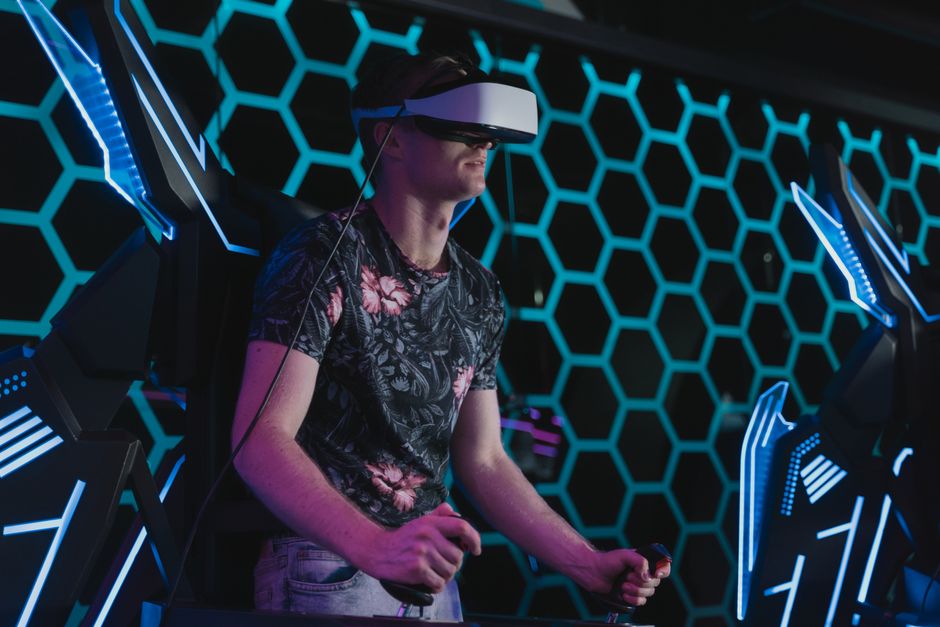
The allure of AI in game development is undeniable, promising efficiency and unprecedented creative possibilities. Developers are already leveraging AI for everything from generating realistic NPC behaviors and procedural game worlds to crafting dynamic narratives and even designing entire assets. This surge in capability offers a tantalizing vision of faster development cycles and richer, more immersive player experiences. The Entertainment Software Association, representing major players in this space, naturally advocates for an environment that fosters such innovation. Their counsel undoubtedly emphasizes the need for flexible regulatory frameworks that don’t stifle progress.
However, this technological leap isn’t without its glaring complexities. The core issue revolves around intellectual property. When an AI generates a character, a piece of music, or an entire level after being trained on vast datasets of existing human-created content, who holds the copyright? Is it the developer who prompts the AI, the company that built the AI, or the original artists whose work unknowingly fueled its learning? These aren’t abstract legal puzzles; they are fundamental questions that dictate economic fairness and artistic recognition in an increasingly automated world. The industry’s rapid adoption of artificial intelligence tools is outpacing the legal and ethical guardrails designed to protect creators.
The Unseen Costs of AI ‘Innovation’
The mainstream narrative often champions AI as an unmitigated boon, a shortcut to boundless innovation. Yet, this perspective conveniently overlooks the significant human cost and the potential for systemic exploitation. When large corporations push for minimal regulation, they often prioritize speed and scale over the rights of individual artists and smaller studios. The argument that strict rules would “stifle innovation” frequently serves as a thinly veiled plea for an unregulated Wild West, where powerful entities can leverage AI tools without proper accountability for their training data or the downstream impact on human creators. This pursuit of efficiency could easily lead to an erosion of unique artistic voices, replaced by algorithmically generated content that, while technically impressive, lacks soul.
Consider the data used to train these powerful models. Much of it is scraped from the internet, often without consent, attribution, or compensation to the original creators. This practice raises serious ethical questions about fair use and digital appropriation. In effect, the industry could be building its future on the unacknowledged labor and creativity of countless artists, repackaging their legacy as “AI innovation.” While some argue that overly strict regulations could indeed slow down technological progress, making it harder for the industry to compete globally, the alternative is a creative commons plundered for profit, ultimately devaluing human artistry. We must remember that true innovation should elevate, not diminish, human endeavor. The push for lax oversight on artificial intelligence in creative fields is not just a commercial strategy; it’s a cultural statement about who and what we value.
The debate is less about whether artificial intelligence will transform video games and more about how we ensure that transformation is equitable and sustainable. We stand at a crossroads where the promise of technological advancement must be balanced with the imperative to protect human ingenuity and intellectual property. Failing to establish clear, robust regulations now risks creating a future where creativity becomes an algorithm, and the human hand that once guided it is rendered obsolete, uncompensated, and ultimately, forgotten. The industry’s future, and indeed our cultural landscape, hinges on a thoughtful, rather than rushed, approach to governing this powerful technology.
Source: NewsAPI:q