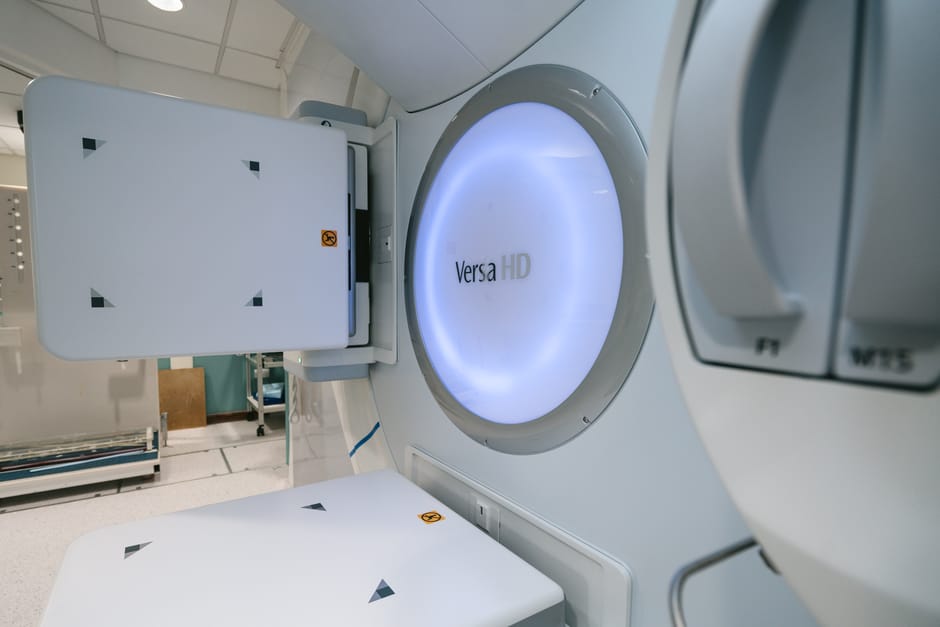
Artificial intelligence Tsunami frames the debate here: Artificial intelligence is not just a buzzword; it’s a technological tsunami poised to reshape oncology as we know it. Can we fully grasp the seismic shifts that AI technology is causing in cancer treatment, or are we too caught up in the shiny prospects of innovation? According to CancerNetwork, the evolution of artificial intelligence in oncology has begun to profoundly impact clinical trials, workflows, and patient outcomes.
The Role of Technology in Oncology’s Transformation
Recent reports indicate that AI is being integrated into various facets of cancer treatment, from diagnostics to treatment protocols. This integration isn’t mere hype; it’s a response to the staggering complexity of cancer research and treatment, aiming to streamline processes and enhance patient care. The challenge has always been that cancer is not a single disease. It encompasses a multitude of malignancies with diverse genetic and environmental factors. The introduction of technology to sift through vast amounts of data is crucial at this juncture.
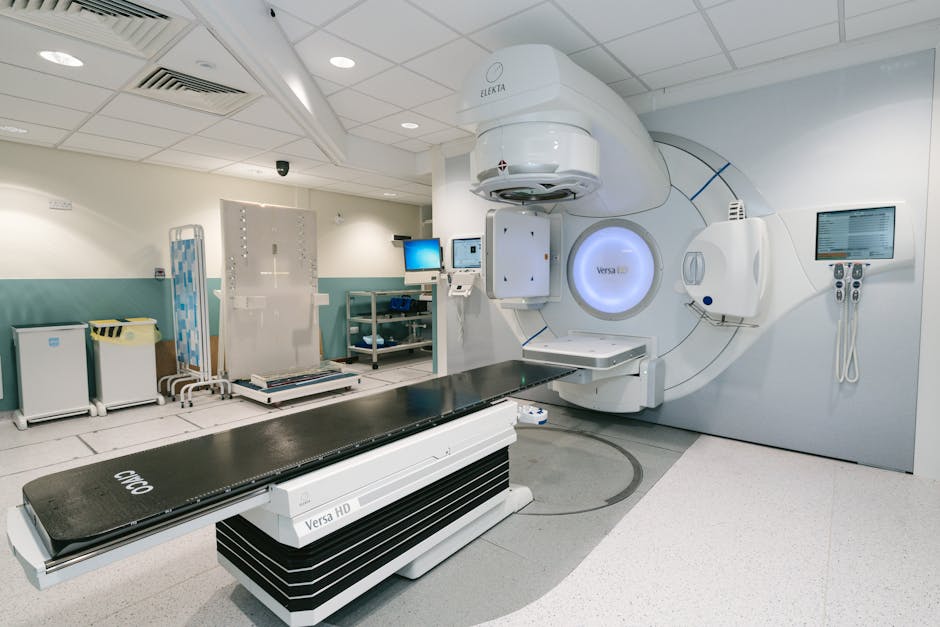
The current medical landscape is increasingly data-driven. With the advent of AI, healthcare professionals can analyze patient data patterns and outcomes with unprecedented speed and accuracy. This isn’t just about efficiency; it’s about survival. The stakes in oncology are high; lives depend on getting the right treatment to the right patient at the right time.
Who Gains and Who Loses with AI in Oncology?
As we embrace this technology, questions arise about who stands to benefit and who might find themselves left behind. On the one hand, AI has the potential to democratize access to cutting-edge therapies, particularly in underserved areas. Algorithms designed to optimize treatment pathways can lead to more personalized and effective care, reducing the trial-and-error approach that often plagues oncology.

However, the flip side is that the rapid adoption of technology could widen the gap between well-funded institutions and those struggling just to keep the lights on. Not all cancer centers can afford to implement sophisticated AI systems. This disparity could create a two-tier system where the wealthy receive advanced, data-driven treatment options while those in less affluent areas continue to rely on outdated methods.
Moreover, there’s a genuine concern about the reliability of these AI systems. If the technology fails or makes erroneous recommendations, the consequences could be dire. With every breakthrough comes the possibility of backlash. We must remain vigilant about regulatory oversight to ensure that these technological advances do not compromise patient safety.
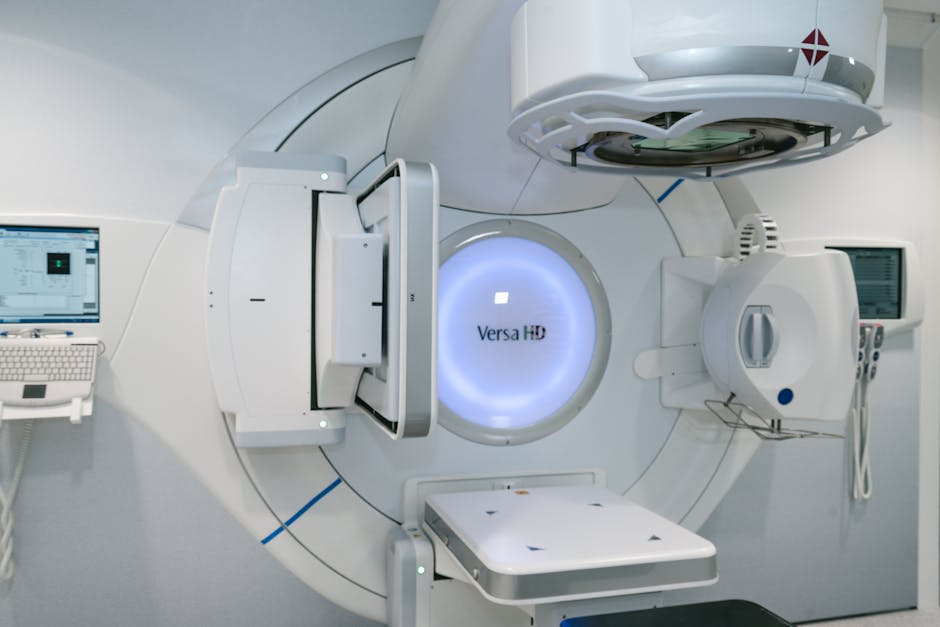
The Future: A Double-Edged Sword
The evolution of artificial intelligence in oncology is thrilling yet fraught with challenges. It heralds a new era where technology could revolutionize how we approach cancer care. The data-driven insights that AI can provide are invaluable, potentially leading to treatments tailored specifically to individual patients.
Still, the technology isn’t a cure-all. The reliance on AI must come with a critical eye. As we rush into this brave new world, we must not lose sight of the core human element of medicine. Personalized care often relies on the intuition and experience of medical professionals, which technology cannot fully replicate.
As we forge ahead, one question remains: Will we let technology enhance our humanity in healthcare, or will we allow it to become a barrier that further complicates the doctor-patient relationship? The future of oncology hangs in the balance, and the answer will define not just how we treat cancer, but how we understand the human experience itself.
That tension around artificial intelligence Transform is not going away.
That tension around artificial intelligence Tsunami is not going away.
Source: Google — Technology & AI