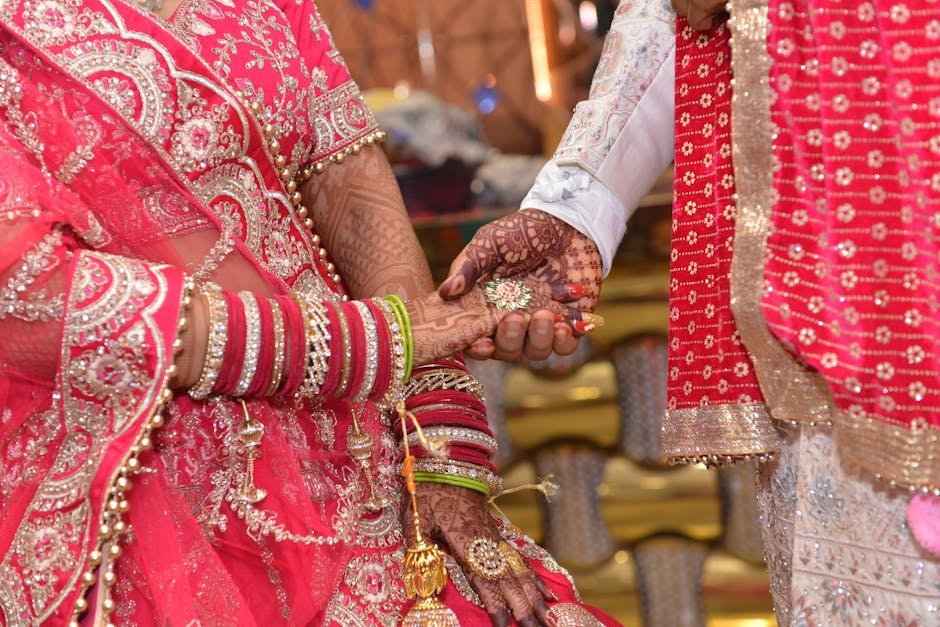
When the drums of war echo through the Middle East, it’s easy to forget that life carries on elsewhere—unless, of course, you’re Narendra Modi. The Indian Prime Minister is seizing upon the renewed urgency of global conflicts, particularly the recent turmoil involving Iran, to turbocharge his ‘Wed in India’ campaign. According to CNN, the ongoing conflict has injected fresh momentum into Modi’s push to promote India as a premier destination for international marriages.
Why Modi matters now
This isn’t just about weddings; it’s a political maneuver cloaked in the romanticism of matrimony. With Iran and its allies embroiled in strife, Modi is leaning into a narrative that emphasizes India’s stability, multicultural tapestry, and, yes, its vibrant wedding industry. But why is this happening now? The Iranian conflict has the potential to ripple through global geopolitics, and Modi’s camp is keenly aware that an unstable West Asia could drive couples to seek refuge in alternative destinations for their nuptials.
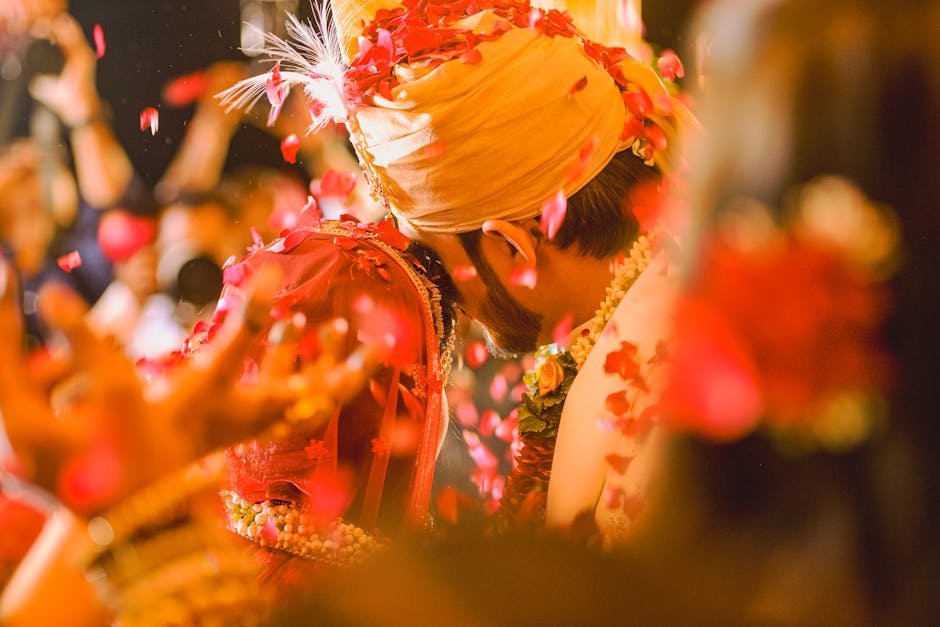
The stakes here are significant. An influx of foreign couples choosing India over traditional wedding hotspots could mean a bonanza for the local economy—think hotels, catering, and tourism. But there’s an underlying tension. While Modi positions India as a stabilizing force and an attractive alternative, this campaign also highlights a troubling trend where international crises are being leveraged for domestic gain. It smacks of opportunism at a time when many are calling for genuine diplomatic initiatives rather than PR stunts.
The stakes around Modi
Moreover, this strategy raises questions about the ethical implications of using war as a backdrop for commerce. Is it appropriate to capitalize on global unrest to promote tourism? For many, Indian weddings are synonymous with joy and celebration; transforming that into a marketing scheme amidst suffering feels dissonant at best.
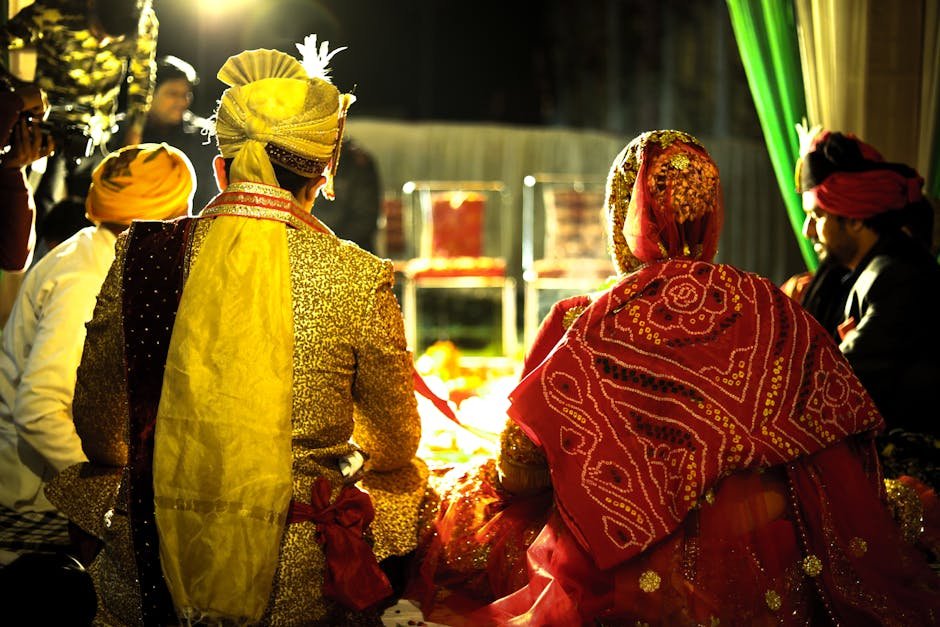
Critics may argue that Modi’s campaign is merely a strategic pivot—after all, nations often exploit such circumstances to redirect public focus. Yet, it’s essential to recognize that Modi is not just selling weddings; he’s marketing an image of India that is both resilient and desirable, even as the world around it threatens to unravel.
In the grand chess game of international relations, Modi is adept at positioning India as a player who can gather foreign interests closer to its borders. He’s not just looking to boost weddings; he’s laying the groundwork for India to be perceived as a safe haven amidst chaos. But therein lies a paradox: can stability be genuinely marketed if it stands on the fragile foundation of conflict elsewhere?
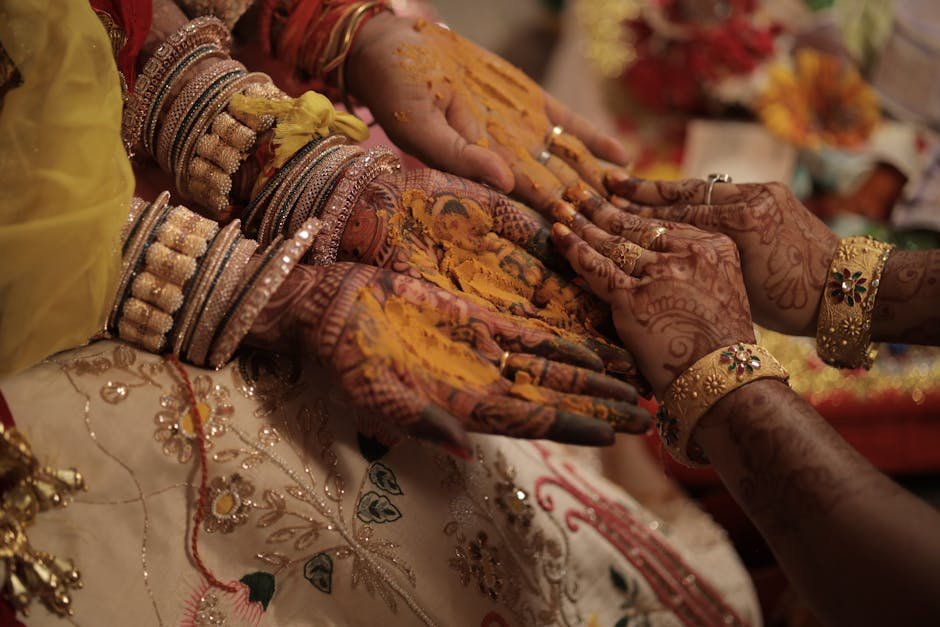
While many in the mainstream press will focus on the economic benefits of such campaigns, they risk missing the broader implications. Modi’s actions echo a disturbing pattern where the suffering of others becomes mere background noise to more self-serving narratives. The risks are evident: should India become enmeshed in this geopolitical turmoil—or should the security situation worsen—what happens to Modi’s carefully crafted image? The fallout could be catastrophic, both for his administration and for the Indian economy that he intends to bolster through this initiative.
As Modi pushes for weddings to be ‘Wed in India’, one cannot help but wonder: will the couples say “I do” to a country grappling with its own identity in a world rife with conflict? Will they choose to celebrate amidst the chaos, or will they see through the thin veneer of opportunity cloaked in the guise of romance? Only time will tell, but one thing is clear: in the theater of geopolitical maneuvering, love may be just another pawn on the board.
Source: Google — South Asia