
Are we really doing this again? Is the quadrennial delusion of “it’s coming home” about to grip the nation once more, all because England managed a victory against Panama? Excuse my cynicism, but the predictable surge of national optimism after a group stage win feels less like genuine promise and more like a collective amnesia, perpetually forgetting the heartbreak that inevitably follows.
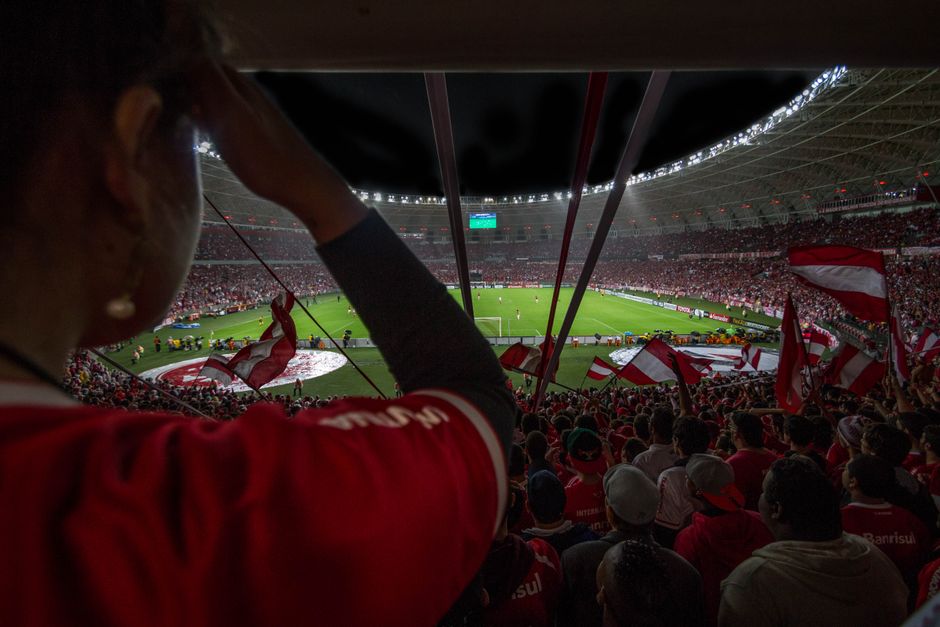
According to the BBC, fans both in the UK and in New York cheered on as England secured a 2-0 victory over Panama, topping Group L in the process. The air, no doubt, was thick with chants and the clinking of glasses, celebrating what many will immediately interpret as a sign of impending glory.

The Perennial England Hype Machine
This isn’t just about England’s performance on the pitch; it’s about the psychology of a nation. Every major tournament sees this pattern emerge: a comfortable start against a lesser-ranked opponent, followed by a media frenzy that inflates expectations to unsustainable levels. Panama, let’s be frank, isn’t a footballing superpower. Their presence in the World Cup is a testament to the sport’s global reach, not an indicator of elite competition for any side with serious aspirations.
Therefore, this win, while technically sound, must be viewed through a lens of sober reality. What led here? A relatively gentle draw in the group stages. Who are the players involved in this narrative? The jubilant fans, the ever-optimistic sports media, and a team that has historically struggled when the stakes truly escalate. The euphoria is palpable, yet it often overshadows any pragmatic assessment of the challenges that lie ahead.
Meanwhile, other nations quietly navigate their own paths, often without the same deafening roar of premature celebration. They understand the tournament is a marathon, not a sprint, and certainly not decided by a single, expected victory against an underdog. This weekend’s festivities, however understandable on a human level, paper over the cracks of past disappointments and the formidable hurdles awaiting any team hoping to lift the trophy.
Beyond the England Fan Euphoria
Let’s cut through the noise: who genuinely benefits from this wave of immediate elation? Certainly, the broadcasters and advertisers, who see engagement metrics soar. Short-term, the national mood gets a boost, offering a temporary distraction from geopolitical tensions or economic worries. However, the long-term stakes remain unchanged. An early World Cup win against a weaker opponent does not suddenly transform the team into world-beaters, nor does it miraculously mend the structural issues that have plagued English football for decades.

This win, while providing a feel-good factor, will have precisely zero impact on Monday’s market movements. No diplomat will suddenly alter policy based on who topped Group L. The serious business of the world carries on, oblivious to the footballing theatrics. The mainstream narrative, fuelled by emotion, often misses this crucial distinction between national sentiment and tangible global influence. The collective delusion that a group stage victory somehow translates into a shift in international standing or economic confidence is, frankly, absurd.
On the other hand, one could argue that such national moments of unity are valuable in themselves, regardless of the ultimate outcome. Perhaps the joy and shared experience are the real prize. However, this perspective often underplays the deeper disappointment when those inflated expectations inevitably crash. The economic ripple from an England group stage win is negligible, a mere blip compared to genuine market drivers. The diplomatic capital gained is non-existent.
Ultimately, the true test for this England squad, and indeed for the nation’s capacity for realistic appraisal, lies in the knockout rounds. When they face a team of genuine pedigree, will the exuberance of a Panama win still hold? Or will we, once again, be left pondering what went wrong after building castles in the air? The cycle of hope and despair is a familiar one. The question is, are we ever going to learn from it?
Source: BBC UK