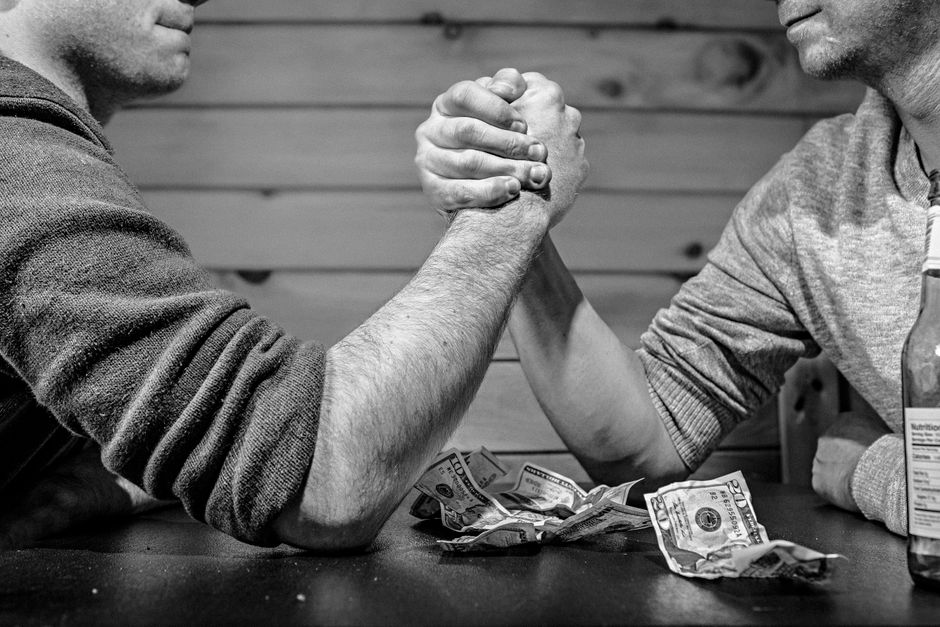
The world may be burning, but for one self-proclaimed “El Presidente,” the true test of mettle—and the ultimate **Night** of spectacle—is being decided tonight, underscoring the curious priorities of modern global leadership.
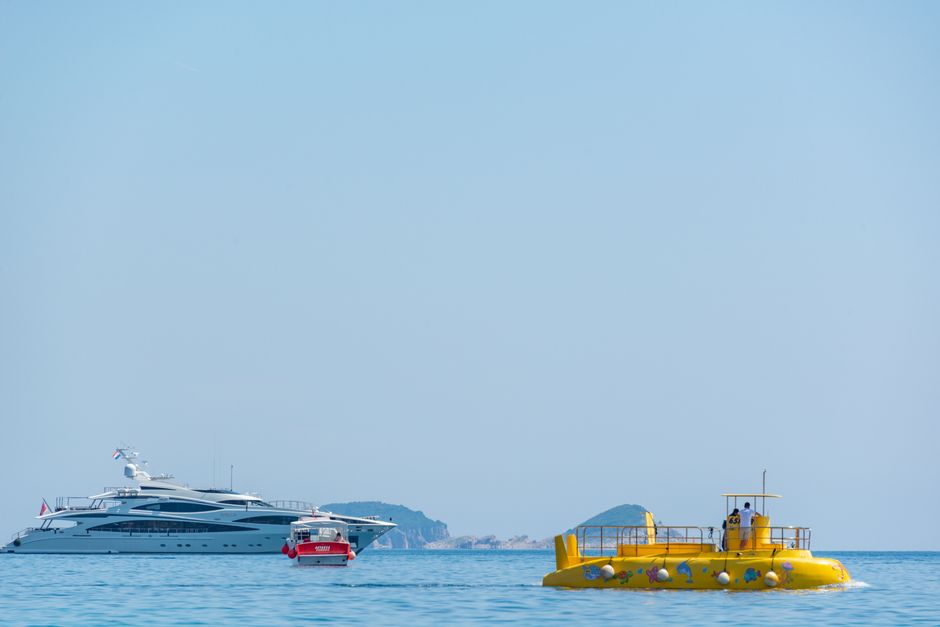
This week, the enigmatic figure known only as “El Presidente” broke his usual silence, not with a policy address or a geopolitical pronouncement, but with a dispatch from the high seas. Or, more accurately, from beneath them. Speaking from what he described as his “diamond-encrusted submarine currently docked at the Jeddah Marina,” El Presidente delivered a singular message to his “comrades.” His purpose? To attend the WWE Night of Champions, accompanied by “my good friend Prince Mohammed bin Salman,” as reported in the briefing. This isn’t your grandfather’s diplomatic communiqué; it’s a peek into the gilded, grappling-obsessed world of a leader who clearly understands the power of a grand entrance, even if it’s for a pay-per-view event.
The political context here is less about statecraft and more about spectacle. While nations grapple with inflation, climate change, and various proxy conflicts, El Presidente chooses to position himself not as a problem-solver, but as an ardent fan and a symbol of opulent power. The location—Jeddah—and the company—Prince Mohammed bin Salman—ground this fantastical declaration in a very real, very influential corner of the world, suggesting a complex interplay between personal leisure, international relations, and perhaps, a touch of performance art.
What landed
What truly landed from El Presidente’s brief but potent transmission was the sheer, unadulterated audacity of it all. The declaration of attending a wrestling event, while seemingly frivolous, is in itself a statement of priorities. It’s an open embrace of entertainment over traditional gravitas, a signal that for this leader, the theatrics of the ring might hold as much, if not more, appeal than the drab realities of governance. His address to “comrades” sets a tone of familiar, populist appeal, even as his mode of transport speaks of unimaginable wealth.
The “diamond-encrusted submarine” isn’t merely a mode of travel; it’s a manifesto. It speaks to an unchecked accumulation of power and luxury, a defiant rejection of any pretense of austerity or public service. It’s a symbol so brazenly over-the-top that it transcends mere ostentation, becoming a wry commentary on the excesses of leadership in an increasingly stratified world. There is an almost admirable lack of apology in this display, a complete disinterest in public perception beyond the image of unassailable, diamond-clad authority.
Furthermore, the explicit naming of Prince Mohammed bin Salman as a “good friend” carries significant weight, regardless of the context being a wrestling match. In the subtle language of international relations, such a public, personal affiliation, even for leisure, can imply strong diplomatic ties or a shared vision that extends beyond ringside seats. It’s a moment where personal indulgence bleeds into soft power, painting a picture of a leader whose friendships are as strategically chosen as his submarine’s adornments, or perhaps, as unburdened by geopolitical optics as his attendance at a wrestling show.
What doesn’t add up
Where El Presidente’s declaration truly doesn’t add up, however, is in its profound contradiction with virtually any conventional expectation of presidential duty. The briefing offers no prior statements from El Presidente on policy, economic reform, or international crises to directly clash with his current stance. Yet, the very act of a self-proclaimed “Presidente” announcing his attendance at a wrestling event from a ridiculously lavish submarine, with no mention of state affairs, creates a gaping chasm between the implied responsibilities of a world leader and the reality presented. The contradiction is not with past words, but with the very essence of leadership.
This isn’t merely a gap in his schedule; it’s a vacuum where governance should be. One might expect a head of state to address pressing national or international issues, or at the very least, offer some justification for such a public display of personal indulgence. Instead, we are left with the distinct impression that the affairs of state are, at best, a secondary concern, easily overshadowed by the spectacle of professional wrestling. The “comrades” he addresses are given no insight into their own welfare, only into their leader’s opulent leisure.
This spin suggests a deliberate blurring of lines between the public and private, the serious and the superficial. Is El Presidente so secure in his power that he can openly flaunt such extravagance, or is this a calculated performance, designed to distract from unspoken challenges? The focus on a “Night of Champions” implies a world where conflict is contained within the ropes, and outcomes are predetermined, a stark contrast to the messy, unpredictable nature of real-world politics. His presence alongside Prince Mohammed bin Salman, while signaling friendship, also raises questions about the nature of these alliances: are they forged in diplomatic halls or in the shared enjoyment of choreographed violence? The entire dispatch feels less like an update from a head of state and more like a celebrity’s travelogue, a disquieting shift for anyone expecting substance from their leaders.
Come Monday morning, the world will likely continue its intricate dance of diplomacy and conflict, largely unphased by El Presidente’s wrestling excursion. Yet, his brief, bewildering message leaves us to ponder what exactly we expect from our leaders today. Is the new currency of power found in diamond-encrusted submarines and ringside seats, or in the quiet, often unglamorous, work of governance? El Presidente’s priorities, laid bare for all to see, certainly offer a provocative answer.
Source: OnTheRecord