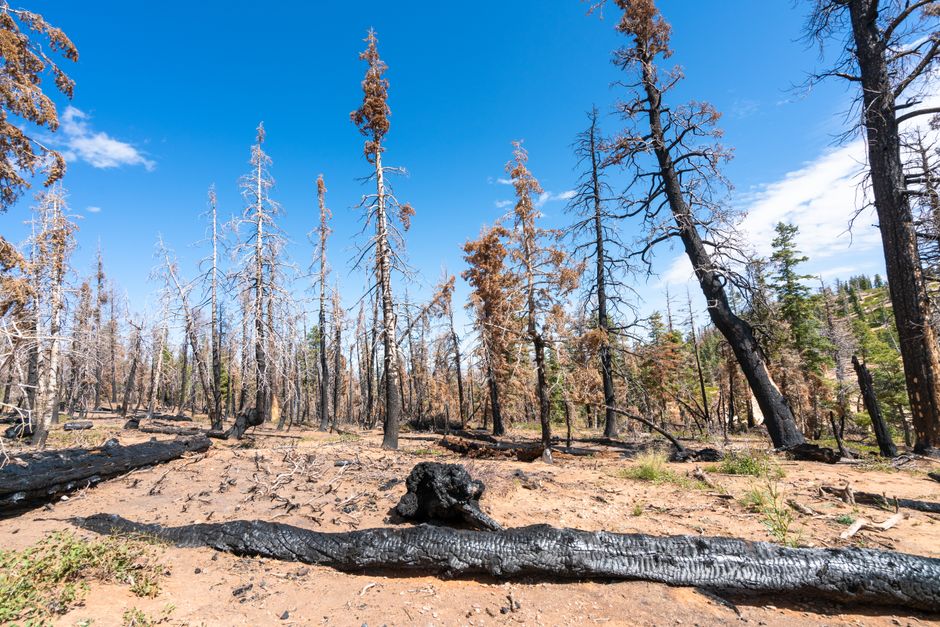
How many more times will we stand by, watching our wildlands burn, before we admit the situation isn’t just bad — it’s truly critical? The smoke billowing over Utah is more than just a local problem; it’s a terrifying forecast of a future we seem hell-bent on accelerating.
According to NPR Science, firefighters battling the nation’s largest current wildfire in southern Utah are facing unprecedented challenges due to historic weather conditions. Experts warn that extreme wildfire behavior is expected to persist throughout the weekend.
The Critical Climate Conundrum
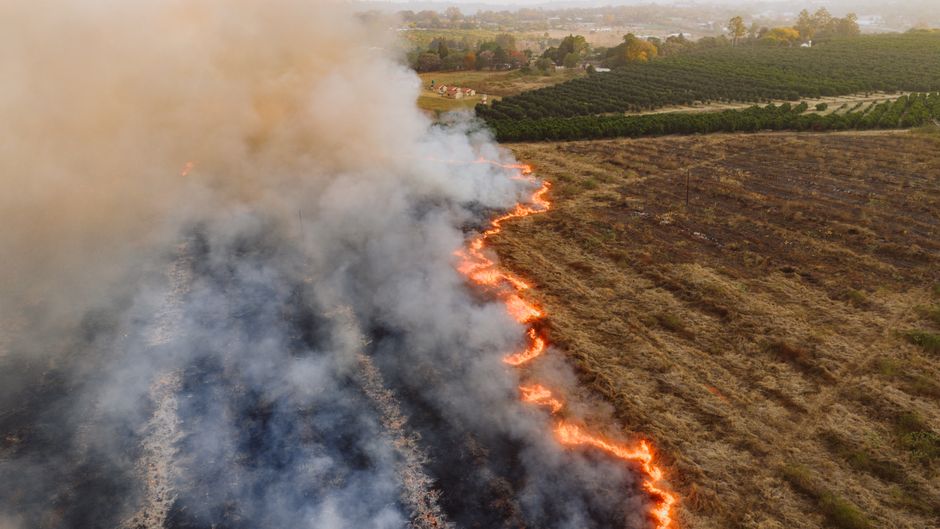
This isn’t a freak accident; it’s a pattern, starkly illuminated by the scale of this Utah inferno. The fact that this is the largest wildfire currently raging across the United States speaks volumes about the escalating crisis we face. For years, scientists and environmentalists have warned about the confluence of prolonged drought, rising temperatures, and overgrown forests creating a tinderbox. Now, we are living the consequences.
The players are clear: dedicated firefighters on the front lines, battling an increasingly powerful and unpredictable adversary. The residents of southern Utah, living under a pall of smoke and the constant threat of evacuation, are the immediate victims. But the unspoken players are us — the public, the policymakers, the industries that continue to fuel the very conditions making these infernos inevitable. This isn’t just about extinguishing flames; it’s about a critical failure in foresight and adaptation.
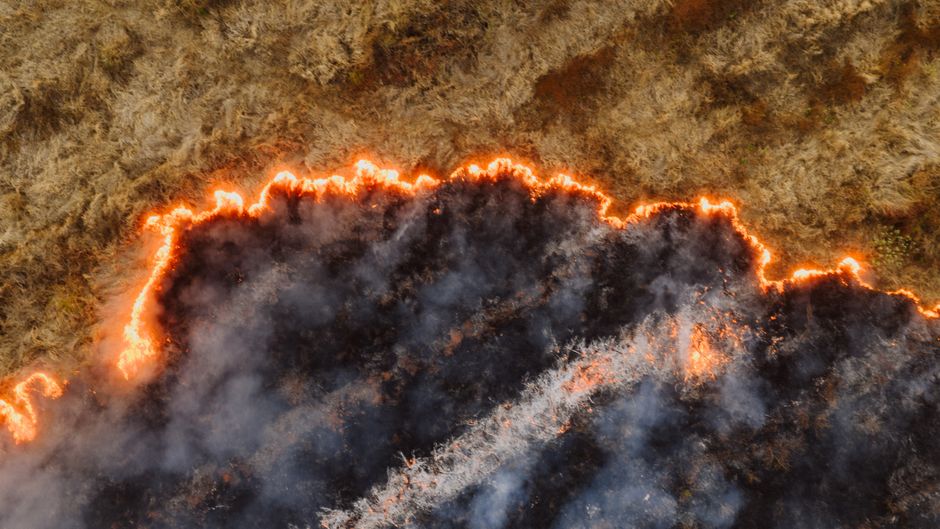
What led here is a complex web of climate change, outdated land management practices, and a persistent unwillingness to confront hard truths. Decades of fire suppression, while well-intentioned, have created an unnatural accumulation of fuel in many Western forests. This, combined with a warming planet that delivers longer, hotter, and drier seasons, creates a perfect storm. The “historic weather conditions” aren’t an anomaly; they are becoming the new normal, demanding a critical reassessment of our national strategy.
The Cost of Inaction: A Critical Market Outlook
The mainstream narrative often focuses solely on the immediate destruction — homes lost, acres charred. Yet, the true cost of these fires is far more pervasive and insidious, extending into our economy and our collective psyche. This Utah wildfire, while regional, sends ripple effects that should be a critical concern for market analysts and policy makers alike as we head into a new week.
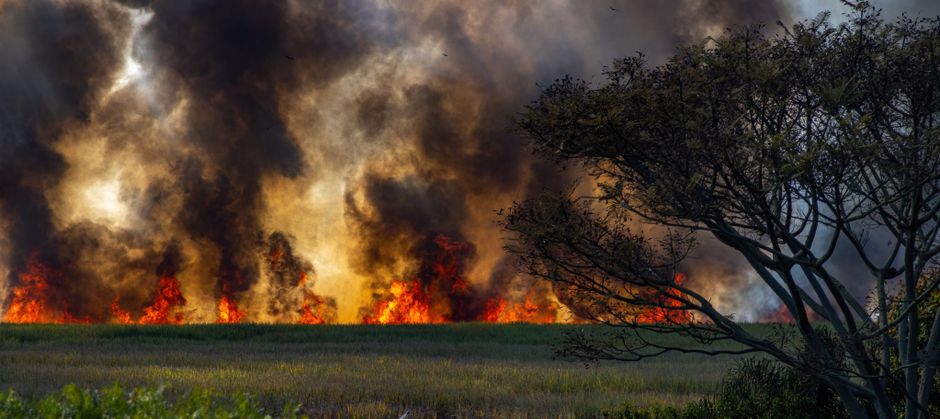
Think about the insurance industry, bracing for another season of monumental payouts. Consider the timber industry, facing unpredictable resource loss. The tourism sector in states like Utah, heavily reliant on pristine natural landscapes, takes a significant hit when vistas are obscured by smoke and recreational areas are closed. These aren’t abstract concepts; they are tangible economic burdens that compound year after year.
Furthermore, the allocation of national resources to fight these ever-growing fires diverts funds from other critical public services and infrastructure projects. This isn’t just an environmental tragedy; it’s an economic drain. What the mainstream misses is that every dollar spent fighting a catastrophic wildfire is a dollar *not* invested in prevention, mitigation, or more resilient infrastructure. This is a critical misallocation of resources, driven by reactive crisis management rather than proactive, long-term planning.
As Monday markets open, investors may not directly track the Utah wildfire, but they should be paying attention to the broader implications for resource management, agricultural stability, and the burgeoning climate tech sector. The diplomatic front also needs to acknowledge that extreme weather events like this complicate international climate negotiations, highlighting the urgency — or lack thereof — in global commitments. The ongoing devastation should serve as a stark reminder that climate inaction has a critical, quantifiable price tag.
So, as we watch another sunset painted orange by distant smoke, ask yourself: how many more “largest wildfires” will it take before we move beyond platitudes and implement the critical changes needed to protect our future? The choice, and the consequences, are ours.
Source: NPR Science