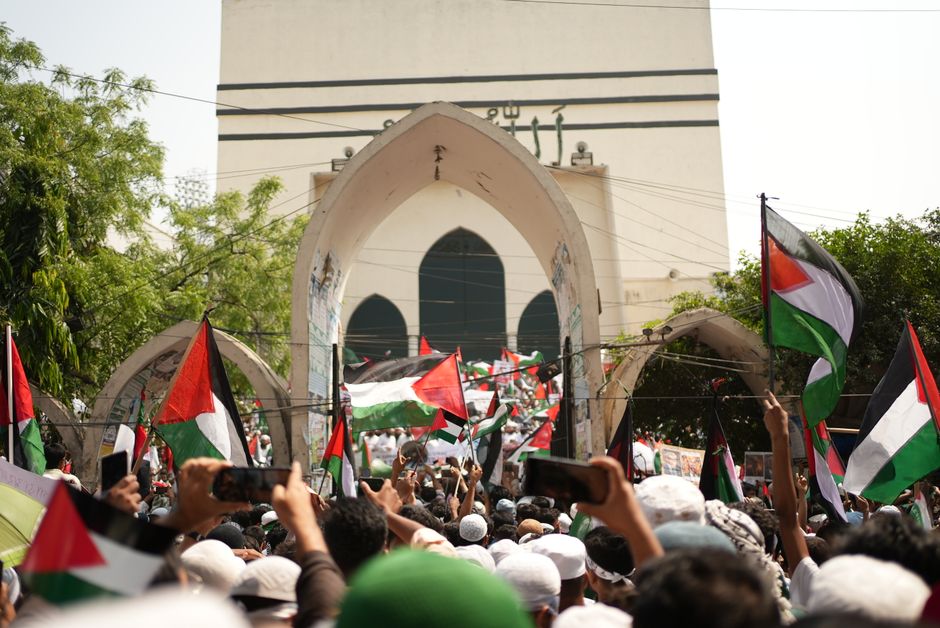
Another week, another video showing the uncomfortable truth about the ground reality in Israel’s occupied territories. We’re told to believe in peace processes, in diplomatic efforts, in a future where two peoples can coexist. Yet, the actions on the ground often tell a much grimmer, more immediate story of power and dispossession. This latest incident, captured on camera, lays bare the persistent friction at the heart of the conflict.
According to Al Jazeera, new videos have emerged showing Israeli settlers attempting to seize a house that is currently under construction in the occupied West Bank. This isn’t a minor scuffle; it’s a direct challenge to the very concept of private property and, by extension, to any viable future for Palestinians in their own land. Such incidents are not anomalies; they are increasingly part of a systematic pattern.
The Unsettled Reality of Israel’s Occupation
This attempted seizure of a Palestinian home is far from an isolated event; it represents a microcosm of the larger, ongoing struggle for land and sovereignty in the West Bank. For decades, the expansion of Israeli settlements has been a central and profoundly contentious issue. International law largely considers these settlements illegal, a position reiterated by numerous UN resolutions and most global powers. However, Israel disputes this interpretation, often citing historical and security claims.
The context here is crucial. The West Bank, captured by Israel in the 1967 Six-Day War, remains under military occupation. Within this framework, Israeli settlements have grown exponentially, often fragmenting Palestinian communities and making the prospect of a contiguous, sovereign Palestinian state increasingly remote. This particular incident, filmed and disseminated, provides a raw, unfiltered look at the aggressive tactics sometimes employed by settlers, backed by a security apparatus that Palestinians argue often turns a blind eye or actively facilitates their expansion.
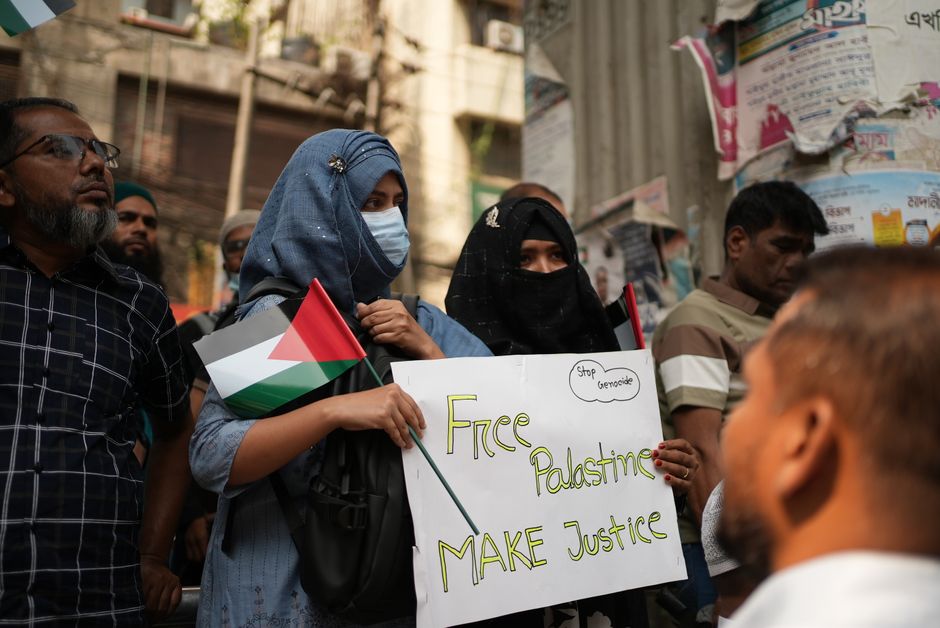
Meanwhile, diplomatic efforts, perpetually stalled, offer little practical protection for Palestinians on the ground. The “two-state solution,” once the bedrock of international consensus, feels more like a mirage with each new settlement outpost or attempted land grab. This constant erosion of Palestinian land and rights creates an environment of simmering resentment and inevitable confrontation. The players are clear: on one side, Palestinians fighting for their homes and future; on the other, settlers often driven by ideological and religious motivations, seeking to expand Israel’s presence across the West Bank. This dynamic has profound implications, not just for human rights, but for the stability of the entire region. It’s a perpetual tinderbox, and every such incident adds fuel to the fire, complicating any serious attempts at de-escalation or negotiation.
Diplomacy’s Dead End and Market Myopia
Let’s be blunt: this isn’t just about a house; it’s about strategic control. The mainstream narrative often sanitizes these events, portraying them as isolated skirmishes or legal disputes. This misses the forest for the trees. The relentless expansion of settlements, whether through official government policy or the brazen actions of individuals, serves a singular, undeniable purpose: to create irreversible facts on the ground. These facts are designed to render a viable Palestinian state impossible, cementing Israel’s long-term control over the entire territory.
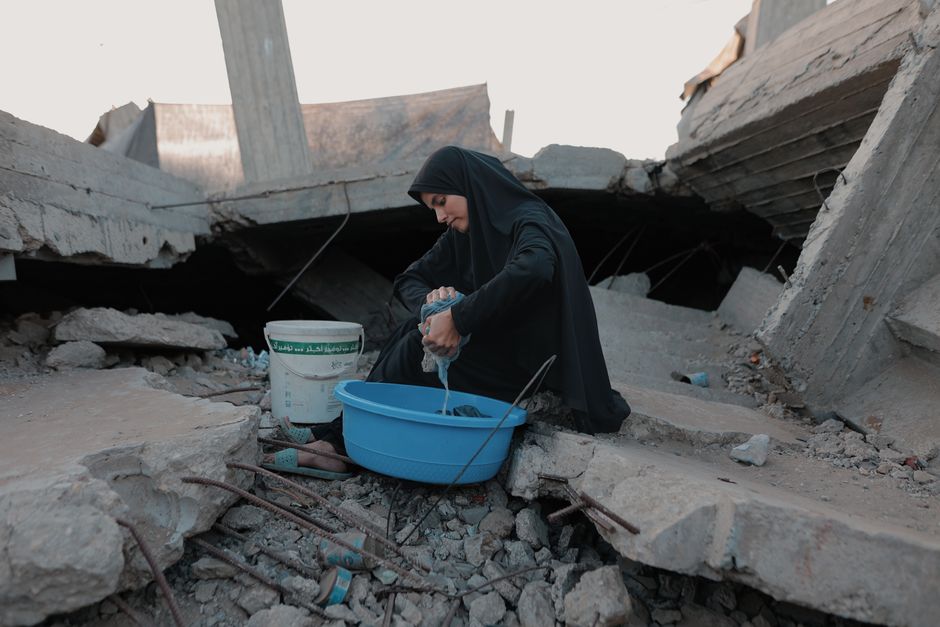
Who wins in this scenario? The hardline elements within the settler movement and their political allies who envision a “Greater Israel” extending from the river to the sea. They are effectively using individual acts of aggression to advance a broader annexationist agenda. Who loses? The Palestinians, of course, but also the credibility of international law and the already fragile prospects for peace. The international community, with its polite condemnations, continues to stand by, offering little in the way of concrete action that might deter such behavior. This inaction is, in itself, a form of complicity.
For markets, especially looking ahead to the week, the immediate impact of a single attempted house seizure might seem negligible. However, ignoring these incidents is myopic. They contribute to an overall climate of instability in the Middle East that *does* have long-term consequences. Sustained conflict and the perception of a perpetually unresolved crisis can deter foreign investment, impact energy prices, and create unpredictable geopolitical risks that analysts often struggle to quantify. The illusion of calm can be shattered by a single spark, and these “minor” incidents are constant sparks. The ongoing expansion of Israeli settlements fundamentally undermines any talk of regional stability or economic prosperity built on cooperation. It’s a constant source of friction that could ignite at any moment, affecting everything from oil futures to regional trade agreements.
While some might argue that these individual property disputes are complex and involve competing claims, the visible pattern of Palestinian dispossession under military occupation is undeniable. This isn’t about legal intricacies; it’s about power dynamics and the relentless push to expand control. So long as the world merely watches, the concrete foundations of these seized homes will become the gravestones of peace. The cost of inaction isn’t just moral; it’s economic, geopolitical, and ultimately, human.
Source: Al Jazeera