Why are the tech titans, once content to simply buy off the shelf, suddenly getting their hands dirty in the silicon foundry? This isn’t just a tweak to a supply chain; it’s a seismic shift, a direct challenge to the reigning monarch of artificial intelligence hardware. The comfortable era of unquestioning reliance on a single vendor for the very brains of the AI revolution might be drawing to a close.
According to TechCrunch, OpenAI, in collaboration with Broadcom, is developing its own custom inference chip, codenamed “Jalapeño.” This strategic move places them in formidable company, joining the likes of Google, Apple, and SpaceX, all reportedly engaged in similar in-house chip development. The overarching goal, the report suggests, is a calculated attempt to mitigate the inherent risks of single-supplier dependence, particularly concerning Nvidia’s long-held stranglehold on the AI chip market.
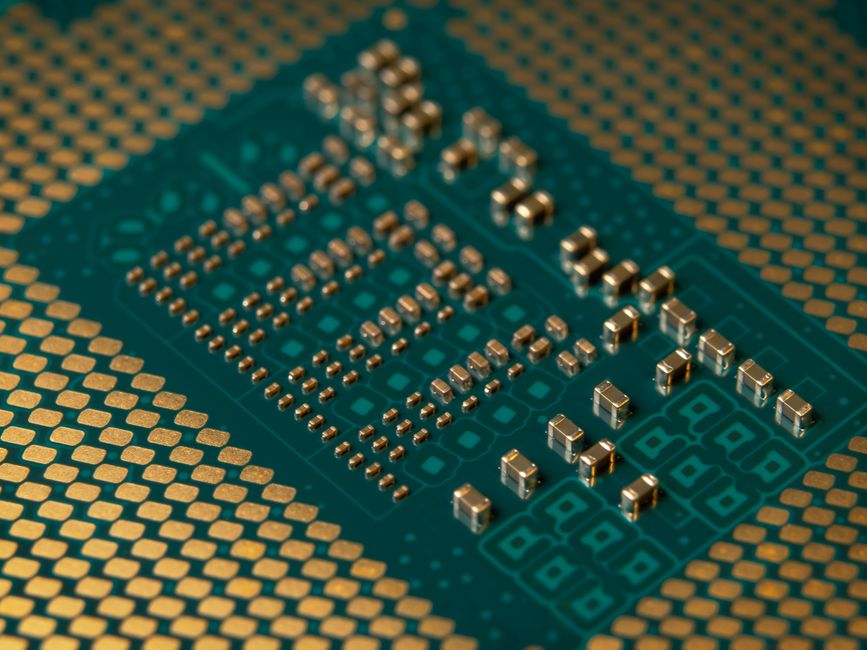
Why Everyone’s Building Their Own Chips
For years, Nvidia has been the undisputed king of AI, its GPUs powering everything from cutting-edge research to the largest language models. Their dominance wasn’t accidental; it was built on decades of relentless innovation and a near-monopoly on the specialized architecture that AI workloads demand. However, absolute power, as they say, corrupts absolutely – or at least, it allows for pricing power that eventually becomes intolerable to those footing the bill.
The current AI boom has exposed the precariousness of this ecosystem. Demand for high-performance AI chips far outstrips supply, leading to astronomical costs and lengthy lead times. For companies like OpenAI, whose very existence hinges on pushing AI’s boundaries, waiting for someone else’s hardware road map is simply not an option. They require not just chips, but *optimized* chips, tailored precisely to their unique algorithms and vast computational needs.
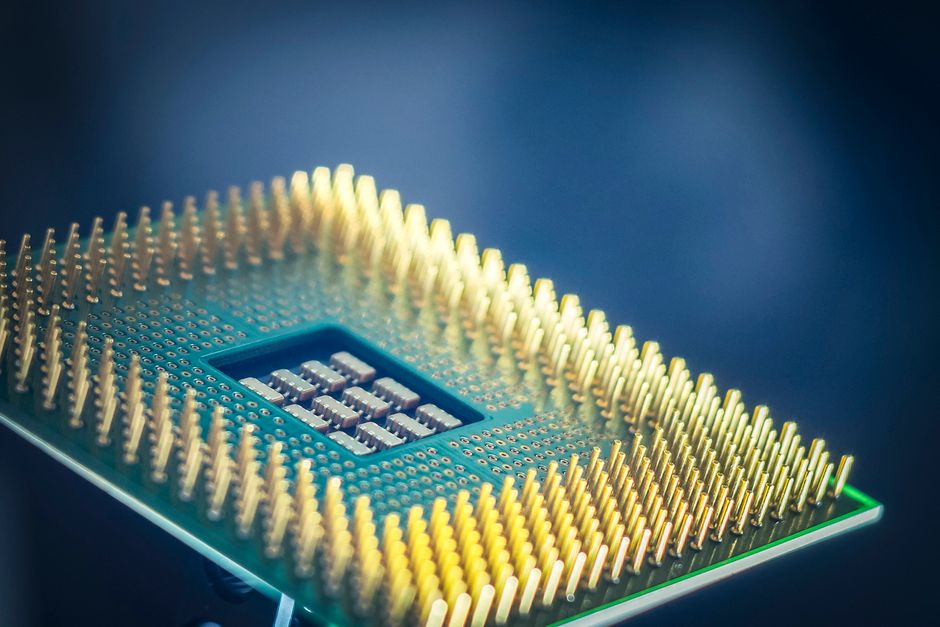
This isn’t merely about cost reduction, though that’s certainly a factor. It’s about strategic autonomy. It’s about controlling one’s destiny in the most competitive technological race of our generation. Why concede such a critical piece of the AI puzzle to an external entity when your entire business model depends on it? The sheer scale of investment in AI from these giants makes the upfront cost of chip design a justifiable, albeit massive, gamble.
The Unseen Battle for AI’s Soul
The implications of this burgeoning trend are profound, and they extend far beyond quarterly earnings reports. For Nvidia, this represents the most significant threat to its empire since its inception. While their dominance won’t vanish overnight, the gradual erosion of market share from their biggest customers could drastically alter the competitive landscape. Suddenly, their proprietary CUDA ecosystem, once an impenetrable moat, faces an architectural challenge from within the industry’s most influential players.
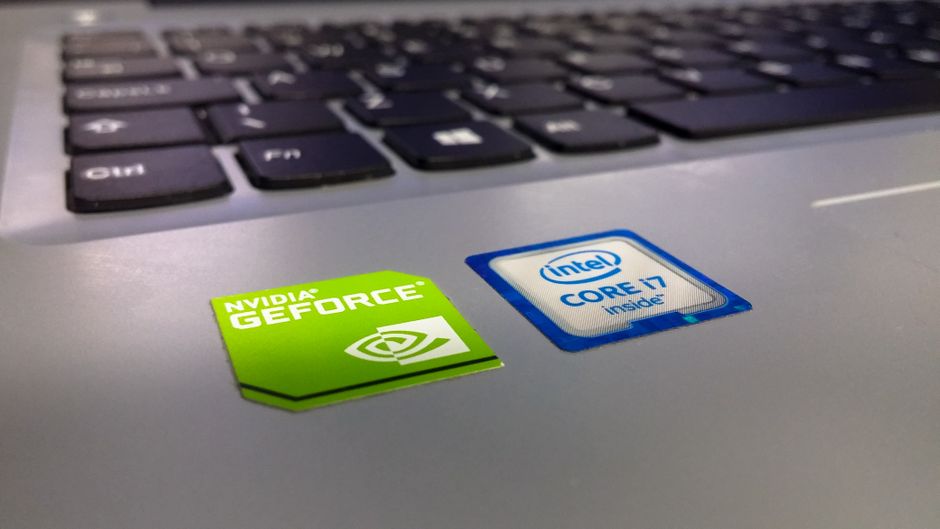
On the other hand, the move towards custom silicon also speaks volumes about the maturity of the AI industry itself. It signals a shift from general-purpose computing to highly specialized, efficient hardware designed for specific AI tasks. This vertical integration could unlock unprecedented performance gains and power efficiencies, accelerating the pace of AI innovation in ways that off-the-shelf solutions simply cannot match. It’s a bold declaration: if you want something done right, you have to build it yourself.
However, the path to custom silicon is fraught with peril. Chip design is incredibly complex, capital-intensive, and requires specialized talent that is in high demand. There’s a reason Nvidia became so dominant: it’s incredibly hard to do what they do. Are these tech giants prepared for the long haul of semiconductor R&D, manufacturing challenges, and iterative development? Or will some of these ambitious projects eventually falter, proving that not every software powerhouse can master the intricacies of hardware?
This isn’t just a story about chips; it’s a story about power. It’s about the fight for control over the foundational infrastructure of the future. The mainstream narrative often fixates on the latest AI models, but the real war is being waged in the fabs and design labs, far from public view. The future of AI will not be decided by algorithms alone, but by the very silicon upon which they run. Will Nvidia adapt to this new, more hostile environment, or will its seemingly unshakeable throne begin to truly crack under the immense pressure? The tremors have just begun.
Source: TechCrunch