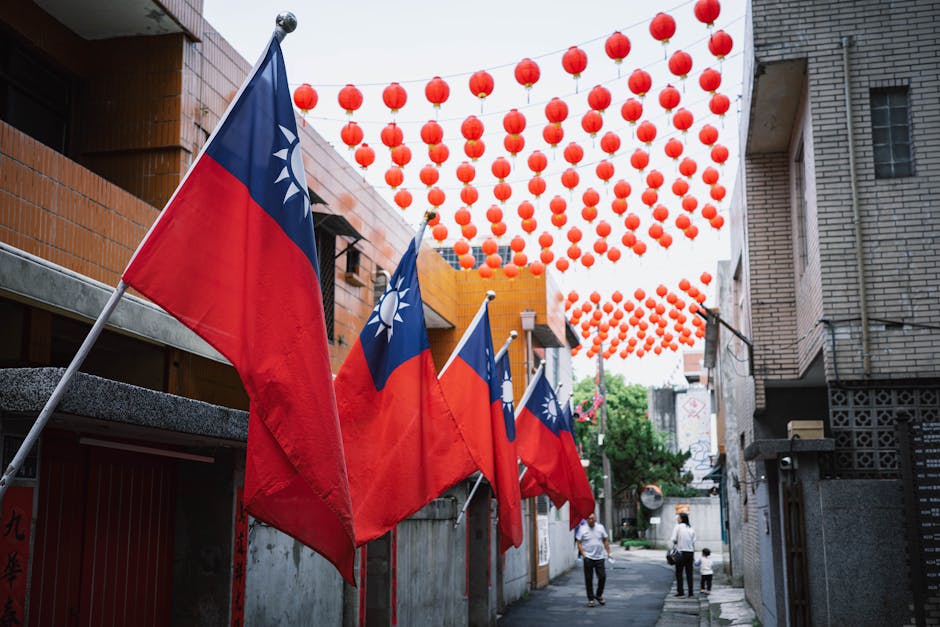
What’s more dangerous: a country’s desire for independence or the powerful nations that dictate their boundaries? This is the crux of the issue facing Taiwan, as it grapples with its identity and sovereignty amidst pressures from around the globe.
Why Taiwan matters now
According to the BBC, former President Trump recently advised Taiwan not to pursue independence, reminding them of the high-stakes consequences should they defy China’s longstanding claims over the island. While the statement might seem to align with a tradition of U.S. diplomacy, it underscores a more troubling narrative: the reluctance of Western powers to fully endorse Taiwan’s aspirations while placating a giant with a grip on global trade.
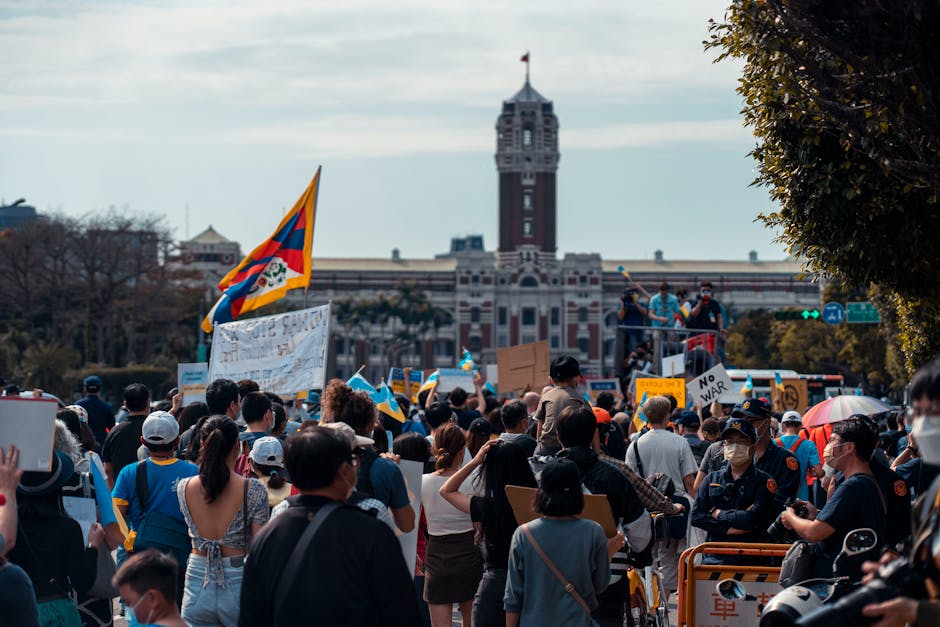
Taiwan stands at a precipice, with its desire for independence being a deeply sensitive issue not only for China but also for the United States. Beijing views any move towards formal independence as a direct threat to its sovereignty, which it will relentlessly oppose. The political dynamics here are complex; the U.S. supports Taiwan’s right to self-defend but stops short of recognizing it as a sovereign state, a careful balancing act that has grown increasingly precarious in recent years.
The stakes around Taiwan
This moment matters because it reveals the hypocrisy and impotence at the core of international relations. While Taiwan seeks recognition and the freedom to chart its own course, it finds itself caught in a web spun by larger powers. The reality is that the U.S. wants to maintain its economic ties with China while offering just enough support to Taiwan to keep Beijing at bay. But this tepid endorsement does little to assure Taiwan, especially as China ratchets up military posturing around the island.
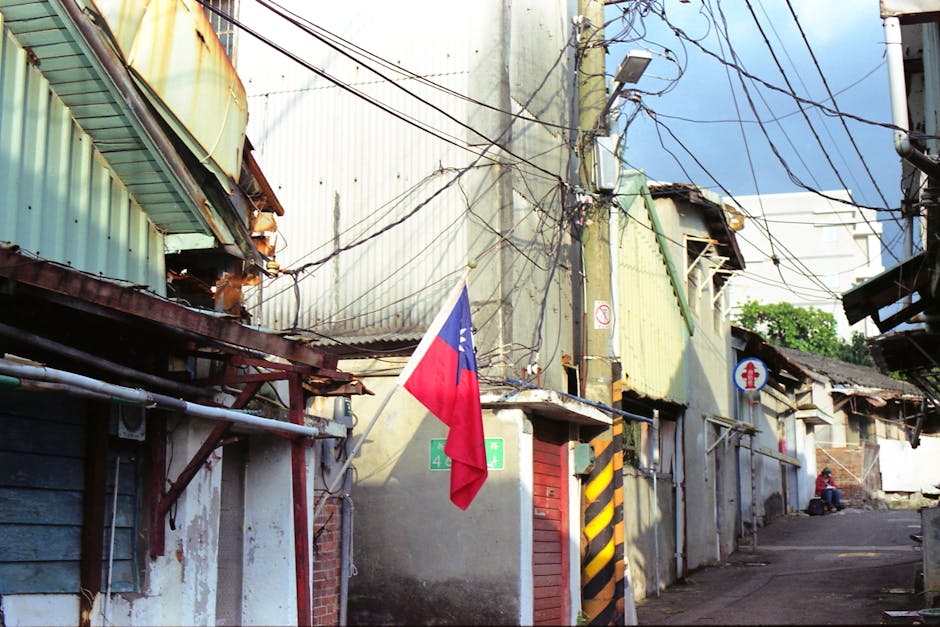
Here’s the hot take: Trump’s advice may have been well-intentioned—or at least politically pragmatic—but it reflects a cowardice that fails to acknowledge Taiwan’s true ambitions. By dissuading independence, he inadvertently reinforces the narrative that Taiwan is a pawn in a geopolitical chess game rather than a nation with its own aspirations. The real losers here are the Taiwanese people, whose voices are drowned out in the grand design of U.S.-China relations.
Moreover, this positions Taiwan in an extremely vulnerable spot. Each time a major player like Trump advises against independence, it only emboldens China, which continues to assert its claims with increasing aggression. The risk of miscalculation on either side grows with each passing day. Should Taiwan move toward independence against the advice of global powers, the consequences could be catastrophic, leading to military engagement that devastates both Taiwan and regional stability.
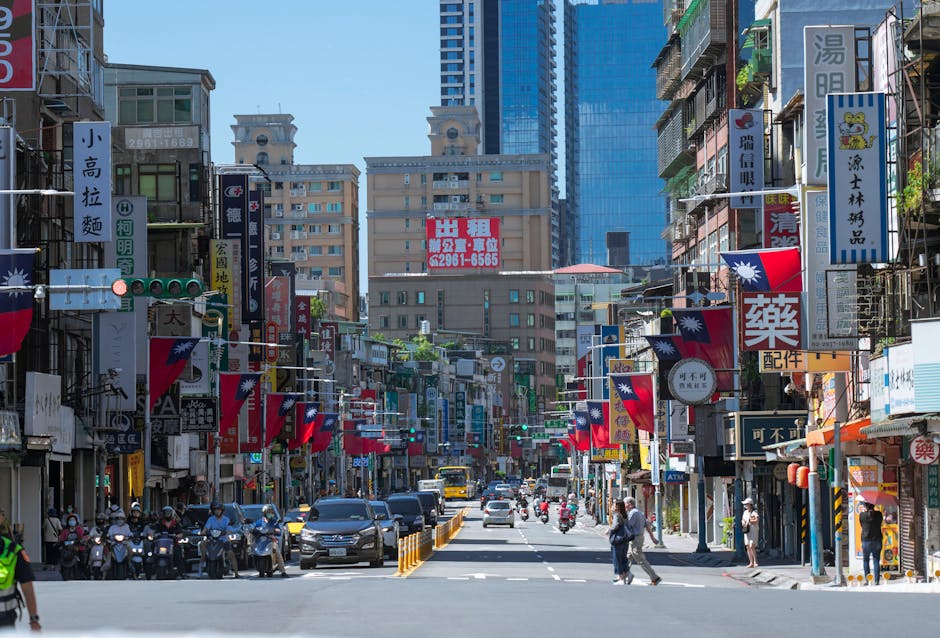
Let’s not forget there are counterarguments. Some might say Taiwan’s interests are best served by keeping the peace with China and accepting the status quo. After all, the island has thrived economically under the current arrangement. But this line of thinking ignores the growing sentiments among younger Taiwanese who identify less with China and more with an independent Taiwanese identity. Their voices are rising, and they are asking for action, not hesitant diplomacy.
As we ponder the fate of Taiwan, we must ask ourselves: who gets to decide the future of a nation? Is it the people living on that land, or is it the powerful countries that wield influence over their destinies? The world teeters on the edge of a significant shift, and if the international community continues to sideline Taiwan’s aspirations while appeasing China, we may just witness the birth of a new era of conflict.
In the end, the question remains: Will Taiwan stand up for its right to exist independently, or will it bow to the pressure of those who would rather see it remain an extension of another country’s jurisdiction? The answer to that question could very well shape the future of East Asia—and the world.
Source: BBC Asia