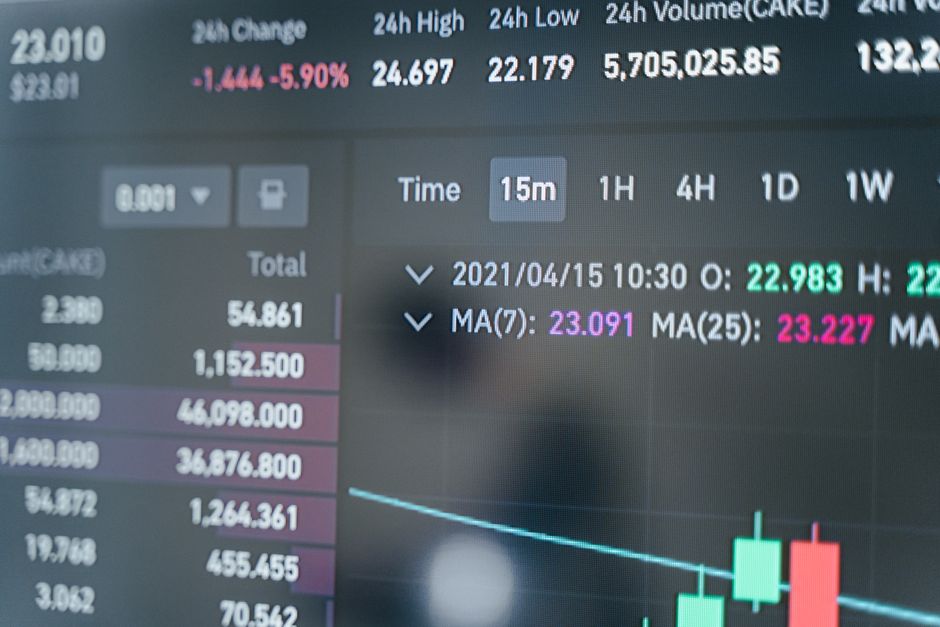
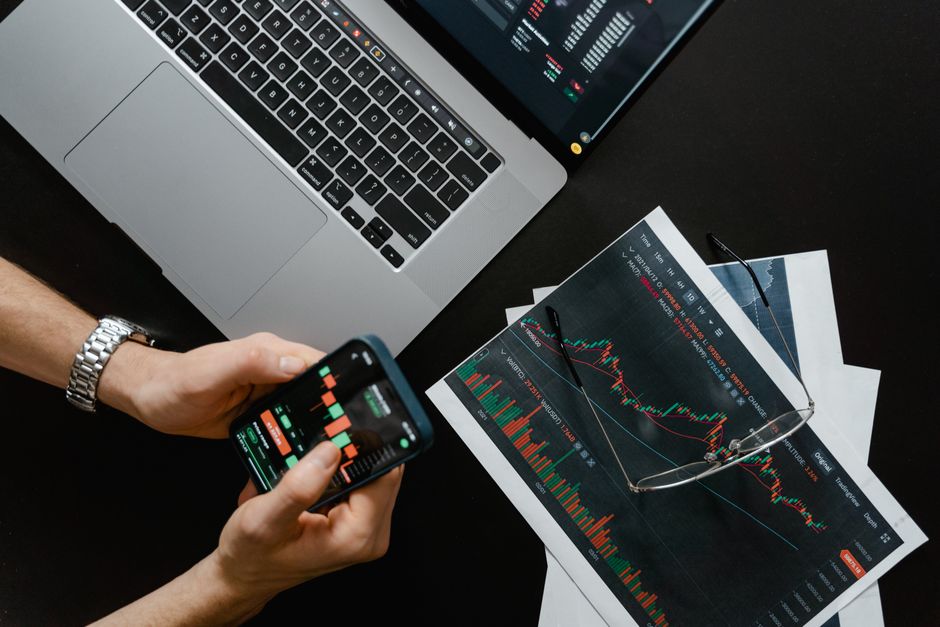
Can the Sensex really be the beacon of hope in these tumultuous times, or is it just a fleeting distraction from the chaos that surrounds us? As the world grapples with conflict and security threats, the Indian stock market has shown a surprising resilience, with the Sensex jumping 790 points on Wednesday. According to The Hindu Business Line, this surge was largely driven by gains in banking and IT stocks, as well as a decline in global crude oil prices.
However, this Sensex rally may not be entirely disconnected from the broader geopolitical landscape. In fact, the performance of the Sensex can often be seen as a reflection of investor confidence in the face of global uncertainty. As a result, it is worth examining the ways in which the Sensex is influenced by, and in turn influences, the complex web of conflict and security issues that shape our world.
Understanding the Sensex in a Turbulent World
The Sensex is often viewed as a key indicator of the Indian economy’s health, but its significance extends far beyond the country’s borders. The Sensex is closely watched by investors and policymakers around the world, and its fluctuations can have a ripple effect on global markets. Therefore, it is essential to consider the Sensex in the context of the current conflict and security landscape, where diplomacy, war, and migration are increasingly intertwined.
Meanwhile, the decline in global crude oil prices has provided a much-needed boost to the Sensex, as it has helped to ease pressure on the Indian economy. However, this reprieve may be short-lived, as the ongoing conflicts in various parts of the world continue to pose a significant threat to global energy security. As a result, the Sensex will likely remain volatile, with investors keeping a close eye on developments in the Middle East and other key regions.
The Sensex and Global Security: A Delicate Balance
The relationship between the Sensex and global security is complex and multifaceted. On the one hand, a strong Sensex can help to attract foreign investment and promote economic growth, which can in turn contribute to regional stability. On the other hand, the Sensex is also vulnerable to shocks from global conflicts, which can have a devastating impact on investor confidence and economic stability. As the world navigates the challenges of conflict and security, the Sensex will likely play a critical role in shaping the trajectory of the Indian economy, and indeed the global economy as a whole.
In fact, the Sensex has become an important barometer of the Indian government’s ability to navigate the complex landscape of global politics and diplomacy. As the government seeks to promote economic growth and stability, it must also contend with the challenges posed by conflict and security threats, both at home and abroad. The Sensex will likely remain a key focus of attention in the coming months, as investors and policymakers seek to make sense of the rapidly evolving global landscape.
The Future of the Sensex in a Conflict-Prone World
As the world becomes increasingly interconnected, the Sensex will likely face numerous challenges and opportunities in the years to come. The Indian government’s ability to balance the need for economic growth with the need for regional stability will be critical in determining the trajectory of the Sensex. Meanwhile, the ongoing conflicts in various parts of the world will continue to pose a significant threat to global security, and the Sensex will likely remain vulnerable to shocks from these conflicts. Ultimately, the future of the Sensex will depend on the ability of investors, policymakers, and governments to navigate the complex web of conflict and security issues that shape our world. Will the Sensex emerge as a beacon of hope in these tumultuous times, or will it succumb to the pressures of a conflict-prone world? Only time will tell.

Source: NewsAPI:q