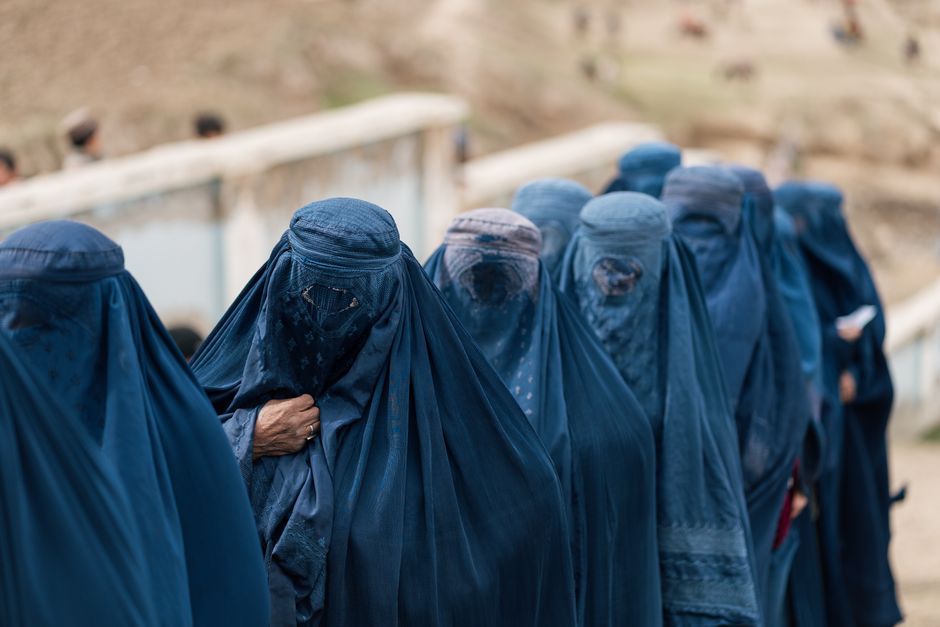
Afghanistan frames the debate here: The Afghan Taliban, once a pariah in international diplomacy, is now set to engage in rare, closed-door talks with European Union officials, marking a significant shift in how the world interacts with the regime. According to The Hindu, a Taliban delegation, which includes New Zealand-born Abdul Qahar Balkhi, has been issued 24-hour visas by Belgium to facilitate these discussions. This development raises questions about the evolving role of the Afghan Taliban in global geopolitics.
The talks, scheduled to take place in Brussels, are primarily aimed at addressing issues related to deportations, as well as human rights concerns. However, the fact that the Afghan Taliban is being afforded a platform for dialogue with EU officials underscores the complexities of modern diplomacy. The Hindu reports that the delegation’s visit is a significant event, given the Taliban’s history and current governance of Afghanistan.
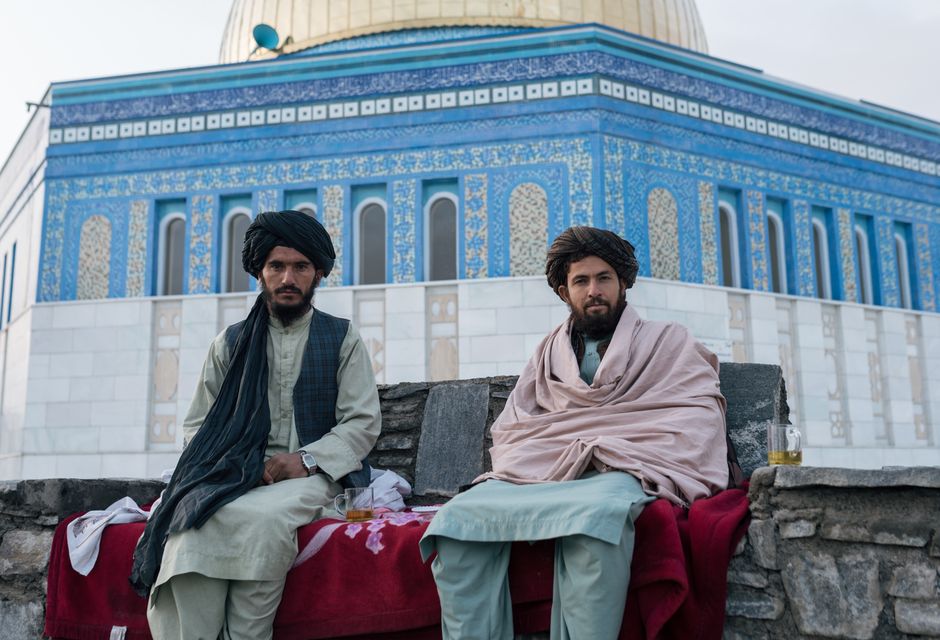
The Afghan Taliban’s Growing International Presence
The decision by EU officials to engage with the Afghan Taliban reflects a broader recognition of the regime’s control over Afghanistan. As the Afghan Taliban continues to consolidate its power, it is inevitable that the international community will have to navigate the moral and ethical implications of dealing with a government that has faced widespread criticism for its human rights record. The Afghan Taliban’s ability to project itself as a viable partner for international dialogue is a testament to its enduring presence in the region.
Meanwhile, the use of technology and digital platforms has enabled the Afghan Taliban to present a more nuanced image of itself to the world. Through social media and other online channels, the regime has been able to bypass traditional media outlets and communicate directly with its audience. This strategic use of technology has allowed the Afghan Taliban to rebrand itself and appeal to a wider constituency, both within Afghanistan and beyond.
The Business of Deportations and Human Rights
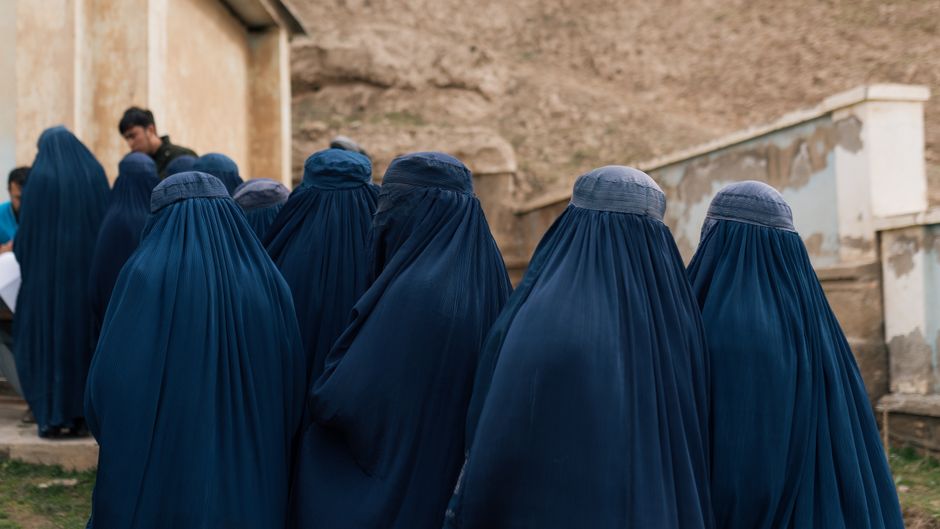
The closed-door talks between the Afghan Taliban and EU officials will likely center on the issue of deportations, as well as the regime’s human rights record. However, it is also important to consider the economic implications of these discussions. The Afghan Taliban’s governance of Afghanistan has significant business and trade implications, particularly in the context of regional trade agreements and international investment. As the regime seeks to engage with the global economy, it will have to navigate the complexities of international business norms and human rights standards.
In fact, the Afghan Taliban’s engagement with the EU is a calculated move to secure international recognition and legitimacy. By participating in these talks, the regime hopes to demonstrate its willingness to cooperate on key issues, such as deportations and human rights. However, the outcome of these discussions remains uncertain, and it is unclear whether the Afghan Taliban will be able to reconcile its authoritarian governance style with the demands of international diplomacy.
The Future of the Afghan Taliban’s International Relations
The talks between the Afghan Taliban and EU officials mark a significant turning point in the regime’s international relations. As the Afghan Taliban continues to navigate the complexities of global diplomacy, it will have to confront the challenges of reconciling its ideological commitments with the demands of international cooperation. The use of technology and digital platforms will likely play a crucial role in shaping the regime’s international image and facilitating its engagement with the global community. Ultimately, the success of these talks will depend on the Afghan Taliban’s ability to balance its domestic priorities with the expectations of the international community.
The world watches with bated breath as the Afghan Taliban takes its first steps towards international recognition, leaving many to wonder what the future holds for this troubled region. Will the Afghan Taliban be able to shed its pariah status and emerge as a viable partner for international cooperation, or will its authoritarian tendencies and human rights record continue to pose a significant obstacle to its global ambitions? Only time will tell, but one thing is certain – the Afghan Taliban is here to stay, and its impact on global geopolitics will be felt for years to come.
Source: The Hindu