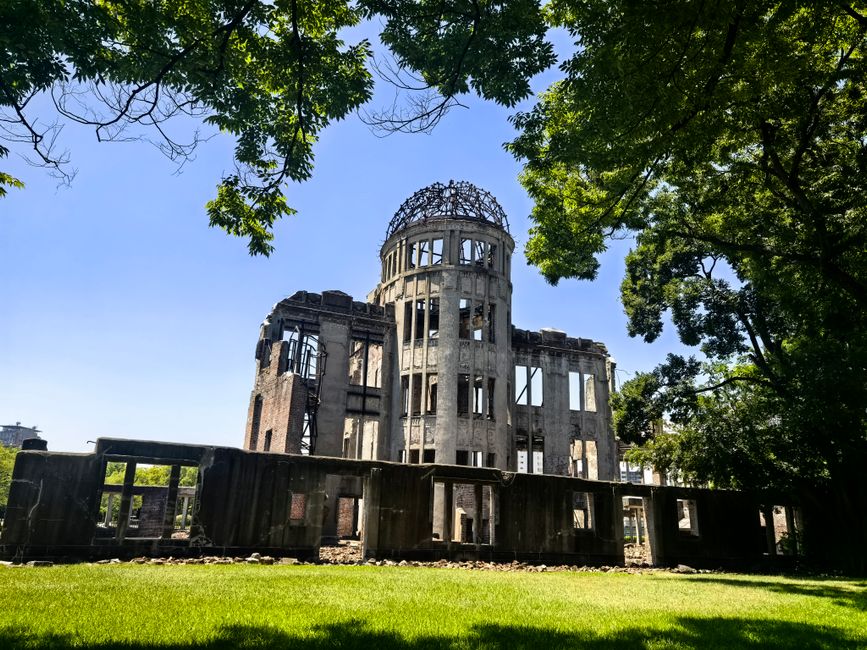
Japan Defence frames the debate here: As the world teeters on the brink of chaos, Japan’s Defence Minister Shinjiro Koizumi is sounding the alarm, emphasizing that ramping up defence is critical to prevent war and maintain regional stability. The notion that a stronger Japan is essential to prevent conflict is a stark departure from the country’s traditional pacifist stance. According to BBC Asia, Koizumi is urging Japan to rethink its post-World War Two posture and adopt a more proactive approach to defence.
This shift in strategy is not without its challenges, as Japan navigates the complex geopolitical landscape of East Asia. Meanwhile, the global community watches with bated breath, wondering if Japan’s newfound assertiveness will help prevent war or merely exacerbate existing tensions. Reuters reports that Japan’s neighbours are closely monitoring the situation, with some expressing concerns about the potential consequences of Japan’s military expansion.

Preventing Conflict in the Region
The need to prevent war is more pressing than ever, as regional powers engage in a delicate game of cat and mouse. Japan’s decision to bolster its defence capabilities is a direct response to the growing threat posed by its neighbours, particularly China and North Korea. In fact, the country’s defence minister has stated that a strong Japan is essential to prevent conflict and maintain the balance of power in the region. As a result, Japan is investing heavily in its military, with a focus on cutting-edge technology and strategic alliances.
However, not everyone is convinced that Japan’s new defence strategy will help prevent war. Some critics argue that a more aggressive Japan will only serve to escalate tensions, making it more difficult to prevent conflict in the long run. On the other hand, proponents of the new strategy believe that a strong Japan is necessary to prevent war by deterring potential aggressors. According to BBC Asia, Koizumi has acknowledged these concerns, but remains committed to his vision of a more assertive Japan.
The Stakes for Monday Markets and Diplomacy
As the world looks to the week ahead, the stakes for Monday markets and diplomacy are higher than ever. The need to prevent war will be at the forefront of diplomatic efforts, as world leaders gather to discuss the latest developments in East Asia. In fact, the ability to prevent conflict will be a key factor in determining the success of these diplomatic efforts. Meanwhile, investors will be watching closely, as the potential for war hangs over the region like a sword of Damocles. Therefore, it is essential to prevent war and maintain stability, not just for the sake of regional security, but also for the health of the global economy.
In conclusion, Japan’s decision to ramp up its defence capabilities is a critical step towards preventing war in the region. As the world navigates the complex web of alliances and rivalries, the need to prevent conflict will only continue to grow. Ultimately, the success of Japan’s new defence strategy will depend on its ability to prevent war, while also avoiding the pitfalls of escalation and miscalculation. Will Japan be able to prevent war and maintain regional stability, or will its newfound assertiveness merely exacerbate existing tensions? Only time will tell.

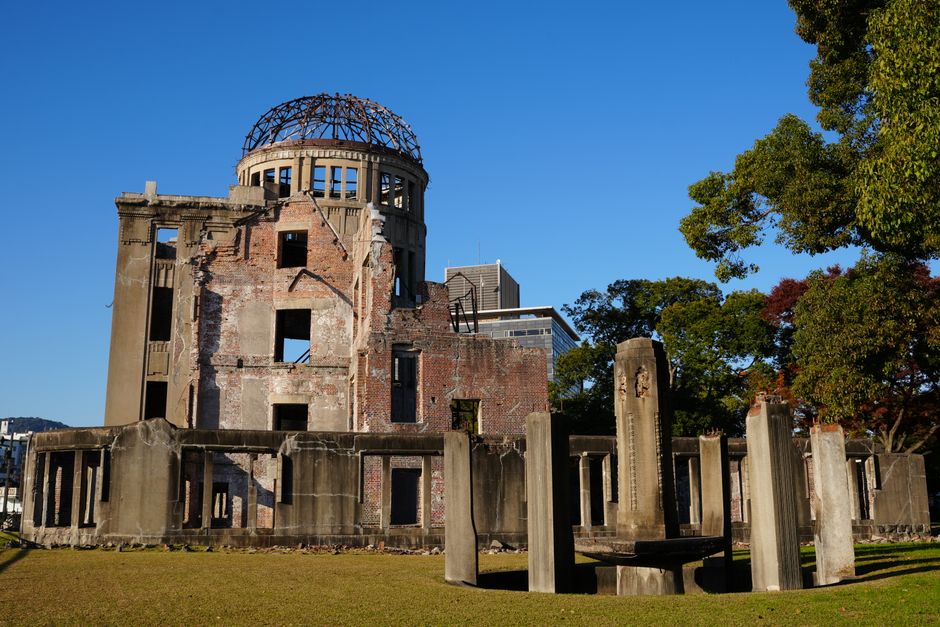
That tension around Japan Defence is not going away.
Source: BBC Asia