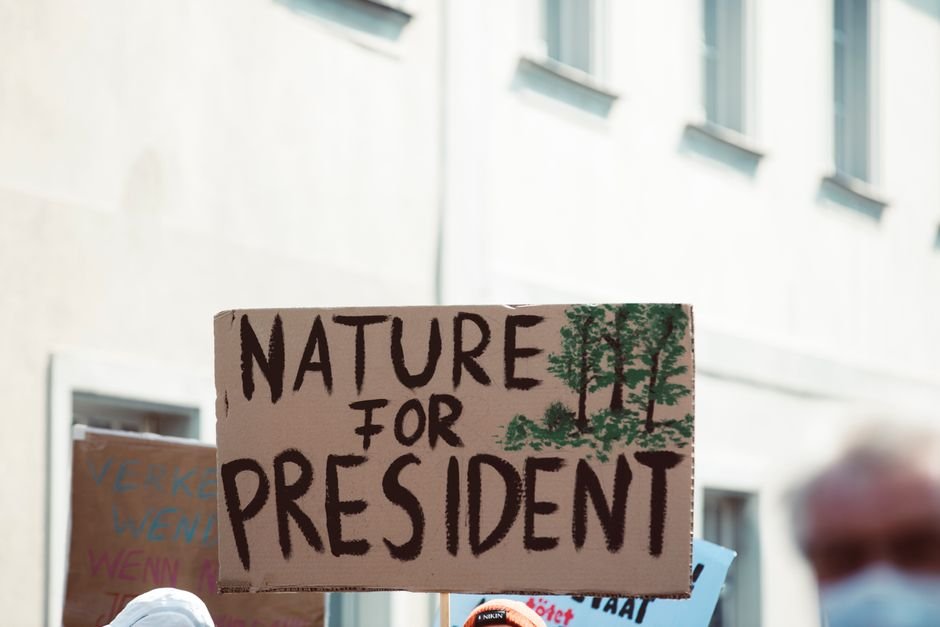
Climate attribution frames the debate here: Have we finally reached a tipping point where politics trumps science? A foreboding report from the National Academies of Sciences could be the new flashpoint in the relentless battle between climate science and political agendas. According to Ars Technica, this forthcoming document on climate attribution is raising eyebrows and fears of a brewing storm over how we understand and attribute climate change.
The Politics of Science and Climate Attribution
This conflict comes at a crucial moment. As the world grapples with escalating climate crises, the stakes couldn’t be higher. The National Academies of Sciences, a renowned authority on scientific matters, are set to publish findings that might question long-accepted narratives regarding human impact on climate. If history teaches us anything, it’s that science can often be caught in the crossfire of political interests. This report could very well ignite fierce debates, pitting scientists against skeptics who might seize this opportunity to downplay climate urgency.
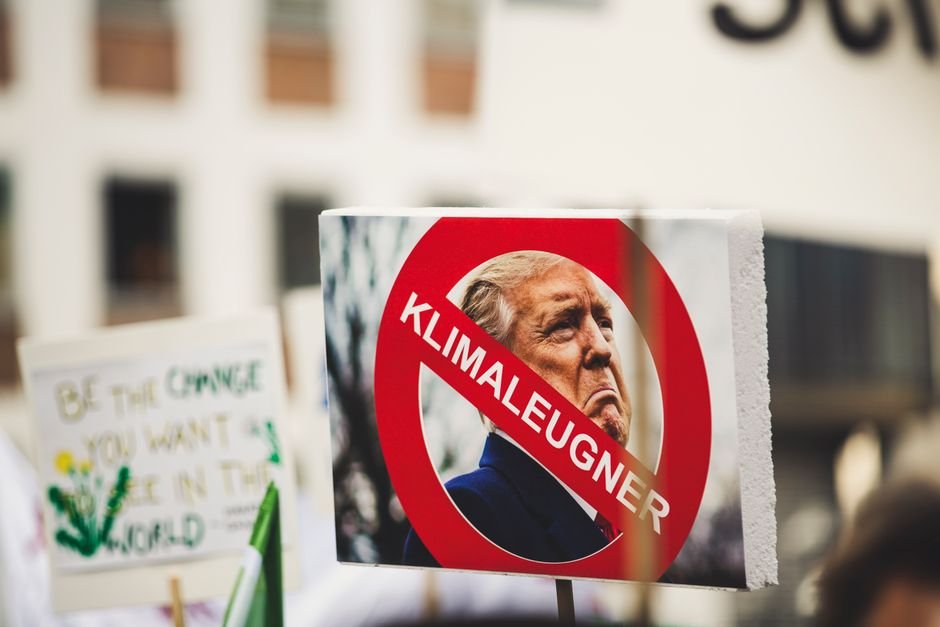
Who stands to gain from this turmoil? The fossil fuel industry and its allies, who have long fought against scientific consensus, will undoubtedly capitalize on any ambiguities or controversies stemming from this report. They thrive in the shadows of doubt, and any misinterpretation of the data could be weaponized to justify inaction. The question is whether the scientific community has the resolve to combat this inevitable backlash.
The Stakes of Political Intervention in Science
As the report looms, the implications are vast. On one side, clarity in climate attribution could lead to better policies that address the real threats posed by climate change. On the other hand, if the report is perceived as politically motivated or mischaracterized, it could sow further division and distrust in science. The mainstream narrative is often too simplistic. It ignores the nuances and the fact that even well-intentioned findings can be twisted to fit agendas.
The greatest losers in this scenario are not just scientists but the citizens who rely on accurate data to make informed decisions about their futures. It’s ironic that as we edge closer to critical climate thresholds, the very institutions designed to protect scientific integrity may become mired in political machinations. The fallout from this could set a dangerous precedent, allowing politicians to cherry-pick data to suit their narratives, undermining public faith in science altogether.
As we brace for the implications of this report, one can’t help but wonder: Is this a turning point for the National Academies of Sciences, or merely another chapter in the age-old saga of science versus politics? The following week will serve as a litmus test, not just for markets and diplomacy but for the integrity of scientific inquiry itself. Can we afford to let politics dictate science? The answer remains to be seen.
Source: Ars Technica