
The frenzy in the markets is reaching a boiling point as AI giants prepare for their next big financial moves. As the company behind ChatGPT files for a stock market debut just one week after Anthropic did the same, it raises the question: are we witnessing the dawn of a new tech era, or a speculative bubble waiting to burst?
According to BBC Technology, the firm behind ChatGPT has made its intentions clear by advancing plans for an initial public offering (IPO), following closely in the footsteps of its competitor, Anthropic. This signals a heightened competition for capital within the AI sector, which is rapidly evolving and expanding.

The Growing Stakes in AI Markets
The push for funding comes at a pivotal moment for the AI industry, which has seen explosive growth in recent years. The advancements in generative AI technology have captured the imagination of investors, leading to unprecedented valuations. Companies like ChatGPT and Anthropic are at the forefront of this revolution, attracting attention not only for their innovative products but also for the potential profits they promise. The race to raise funds in these markets is not just about survival; it’s about positioning for dominance in a field that is becoming increasingly lucrative.
However, it’s not all sunshine and rainbows. The competition is fierce, and the pressure to deliver returns is mounting. Investors are cautious, aware that the tech sector is notorious for its volatility. The flood of IPOs could lead to market fatigue, prompting questions about the sustainability of these valuations. Will these AI companies be able to deliver on their promises, or are they setting themselves up for a fall in the unforgiving world of markets?

Who Wins and Who Loses in the AI Race?
While the excitement around AI IPOs is palpable, the real stakes are hidden beneath the surface. If either ChatGPT or Anthropic manages to pull off a successful stock market debut, they could secure a significant advantage over their competitors. This could lead to an influx of capital that fuels further innovation and market expansion.
On the flip side, failure to meet investor expectations could spell disaster. The backlash against underperforming tech stocks is swift and brutal. If either company stumbles post-IPO, the resulting loss of confidence could reverberate throughout the markets. Investors will be on high alert, scrutinizing every move, every quarterly report, and every chatty announcement from these tech behemoths.
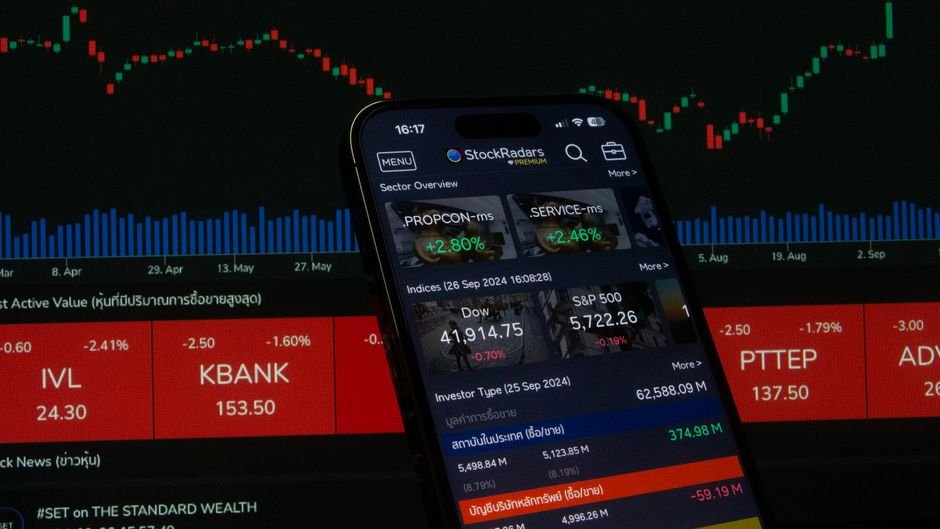
Moreover, there’s a cultural component to consider. The hype surrounding AI and its applications has permeated every aspect of our lives, from entertainment to education. This obsession has led to a rush to capitalize on the trend, often resulting in a market where the line between genuine innovation and speculative investment becomes dangerously blurred. As these companies step into the public eye, they aren’t just facing investors but also a public eager to see whether they can live up to the lofty expectations set by their groundbreaking technologies.
The irony is rich: the very technology that has the potential to reshape our futures is now caught in the same cycle as every other bubble that has come before it. Will we witness a renaissance in AI, or will history repeat itself as investors scramble to get on the bandwagon, only to find it careening off a cliff?
In conclusion, while the developments in the AI markets signal excitement and potential for growth, they also carry inherent risks. The stakes are high, and the outcome uncertain. As ChatGPT prepares to make its mark on the stock market, one question looms large: will it revolutionize the industry, or just become another cautionary tale in the annals of tech history?
Source: BBC Technology