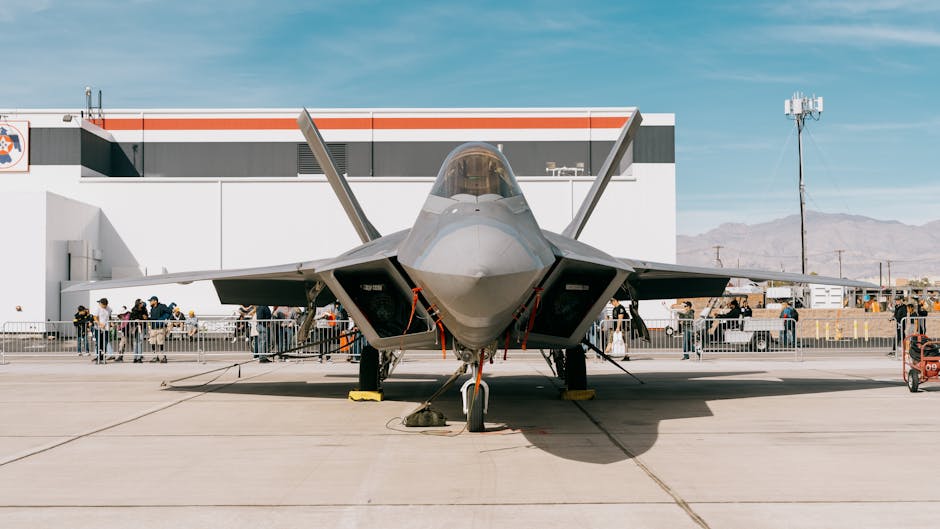
Artificial intelligence Force frames the debate here: Buckle up, folks. The Air Force is not only stepping into the future; it’s actively playing with the toys of tomorrow. According to a recent article from Air Force News, airmen at Luke Air Force Base are pioneering the integration of artificial intelligence into their daily operations. Yes, you heard that right—AI is taking wing, and it’s not just about drones anymore.
Why artificial intelligence takes matters now
But before we get too excited about the possibilities of an AI-enhanced military, let’s unpack why this matters now more than ever. This infusion of AI capabilities comes at a time when the U.S. military is under pressure to modernize and streamline operations amid evolving global threats. China is investing heavily in technology, including AI, and Russia continues to flex its military might. The stakes are high, and the clock is ticking. If the Air Force doesn’t innovate, it risks falling behind in a race that could determine the balance of power.
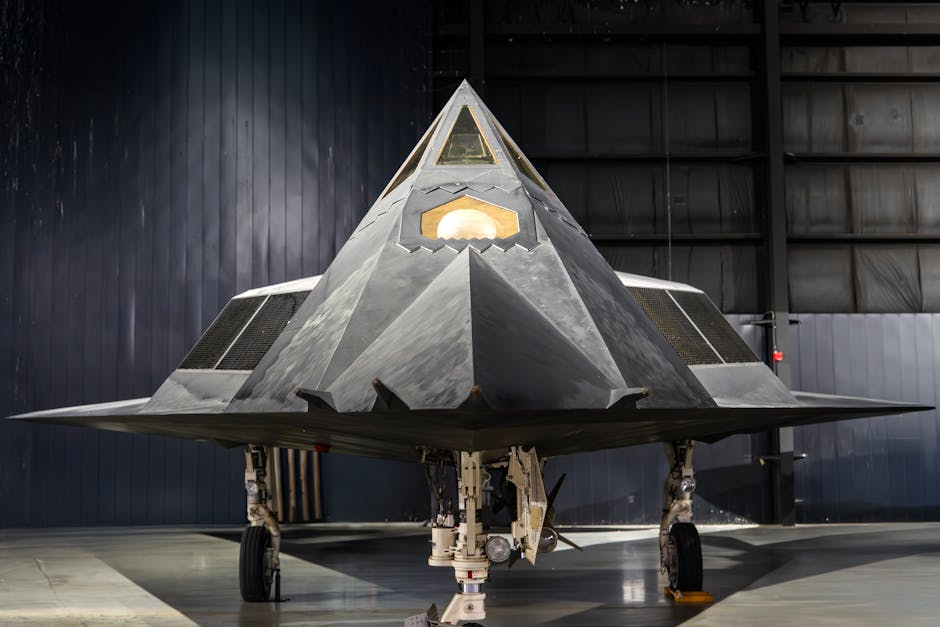
What’s particularly intriguing about this development at Luke AFB is the proactive stance taken by enlisted airmen. Traditionally, military advancements are the domain of high-ranking officials and contractors. But here, we’re seeing a bottom-up approach where operational personnel are directly involved in shaping their future. This collaborative spirit could usher in a new era of military effectiveness, where those who are actually on the front lines have a say in the tools they use.
The stakes around artificial intelligence takes
However, let’s not gloss over the potential pitfalls. The integration of AI in military operations raises a slew of ethical concerns. What happens when machine learning algorithms make decisions on who to engage in combat? How do we ensure accountability when autonomous systems malfunction or produce unintended consequences? These are questions that demand answers, and fast. The last thing we need is an AI “malfunction” turning a routine operation into a tragic mistake—a real-life Skynet scenario.
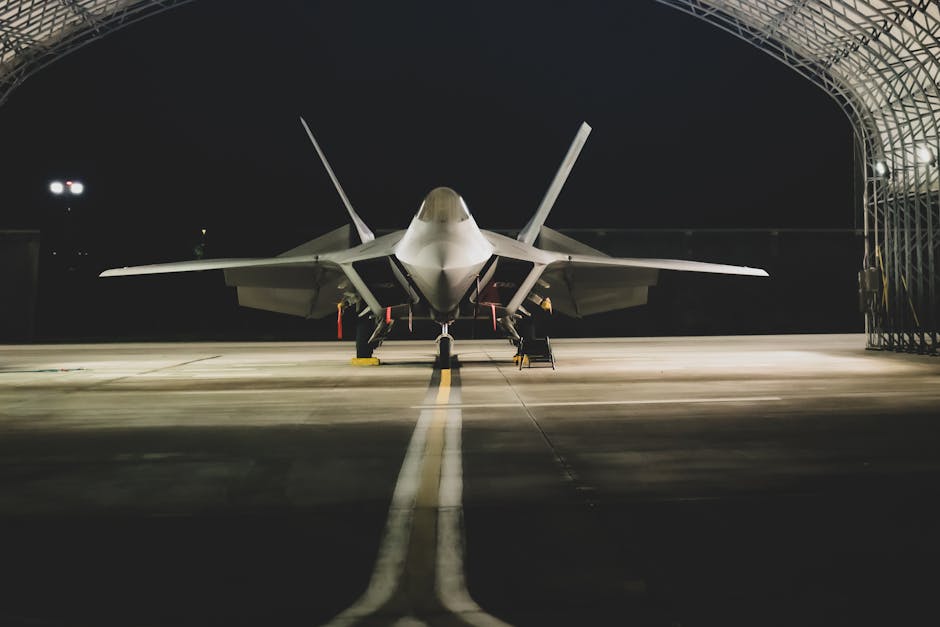
Furthermore, this push for AI could risk exacerbating existing issues within the military, such as over-reliance on technology or a growing divide between those who can adapt to these advancements and those who cannot. The more we implement AI, the more we must consider the human element. Military personnel need not only to be trained in combat but also in understanding and managing AI systems. It’s a radical shift that could leave some behind.
In the broader context, this development could spell both opportunity and peril for the military-industrial complex. Defense contractors may soon find themselves in a bidding war to provide the next generation of AI weapons and systems, which raises the question: is this about national security or profit margins? We’ve seen it time and again—the blending of military initiatives with corporate interests can lead to a dangerous cocktail of ethical ambiguity.
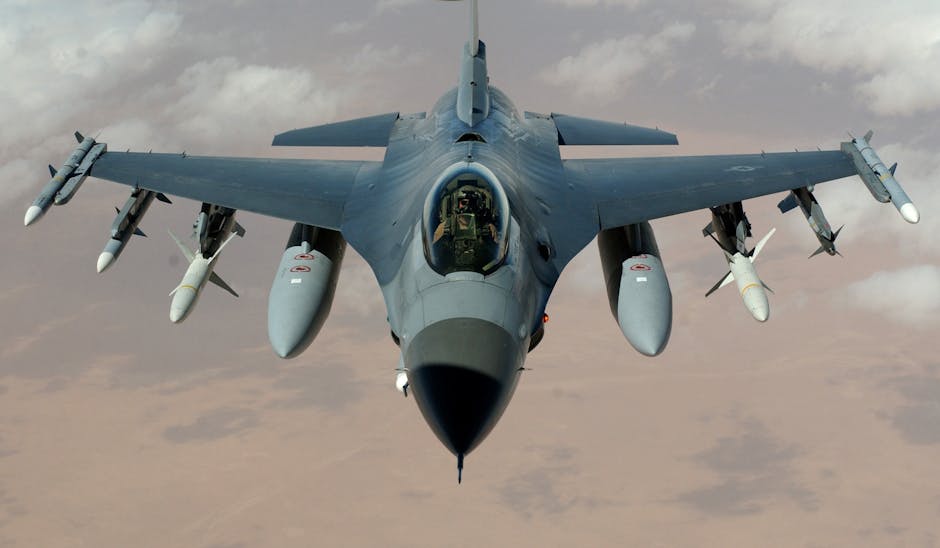
As the Air Force blazes this trail, it’s worth pondering what the ultimate goal is. Are we aiming for unparalleled efficiency, or are we careening toward a dystopian future where algorithmic command usurps human judgment? The choice of path here will shape not just the military, but society as a whole.
So, as the airmen at Luke AFB strap on their AI goggles and get to work, let’s keep a close eye on the implications of this technological leap. Are we truly ready to embrace AI in combat, or are we stepping into a minefield masked as a battlefield? The future is coming, and it’s flying high, but let’s not forget to check our six.
Source: Google — Technology & AI
That tension around artificial intelligence Wing is not going away.
That tension around artificial intelligence Force is not going away.