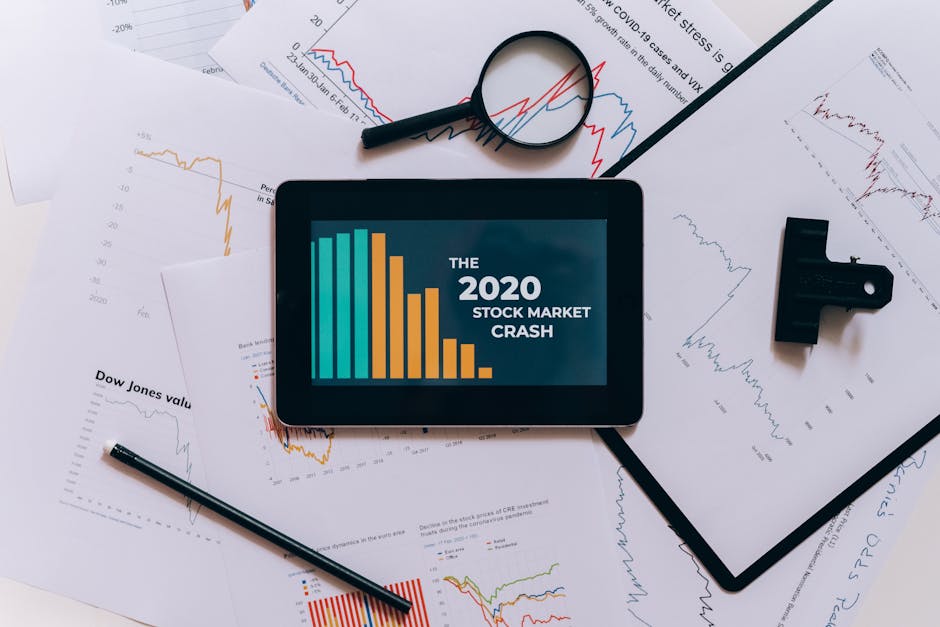
Are we witnessing the burst of a stock market bubble, or is it simply the exuberance of the artificial intelligence (AI) craze? As US markets continue to scale dizzying heights, fueled by the allure of AI, we must confront the uncomfortable truth: the markets might be playing a game of high-stakes poker that could end in disaster.
According to BBC’s Samira Hussain, despite the ongoing war in Iran, inflation woes, and notorious debt fears, US markets are hitting record highs, largely thanks to the AI revolution. The question is, how long can this trend continue before reality sets in?
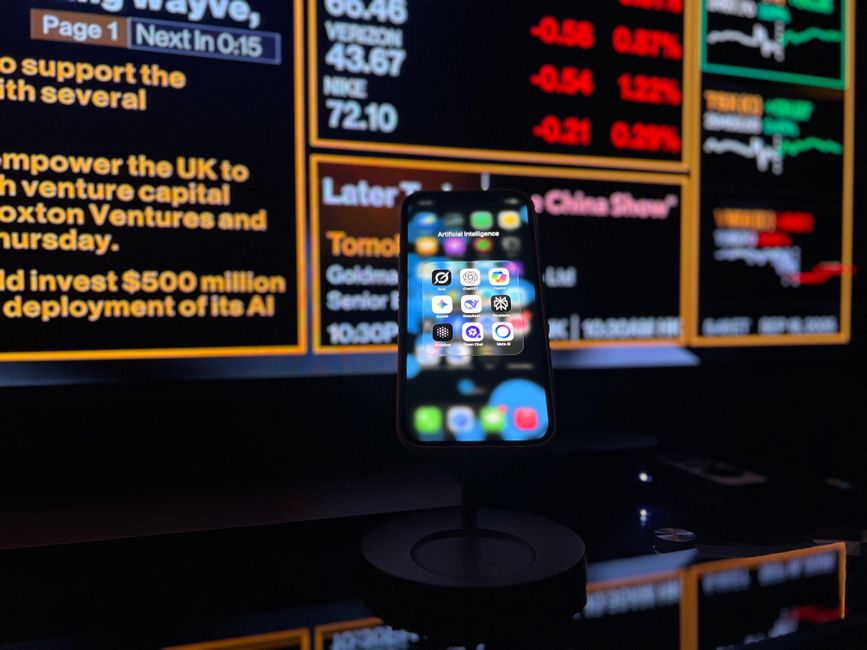
The AI-Fueled Market Surge
The hype surrounding AI is unlike anything we’ve seen in recent years. Major tech firms are racing to integrate AI into their business models, and investors are lapping it up. But while the benefits of AI are undeniable, the underlying market dynamics warrant skepticism. Investors seem to be banking on a long-term transformative effect, yet many are overlooking the economic turmoil brewing just beneath the surface.
This is not merely about the potential of AI; it’s also about irrational exuberance. A cocktail of geopolitical instability and economic uncertainty, yet the markets remain buoyant, suggesting that something is seriously amiss. The big players in tech are reaping the rewards, while smaller companies and traditional sectors are left reeling. It’s a classic case of the rich getting richer while the rest watch from the sidelines.
The Coming Reckoning
The stakes are incredibly high. If the AI bubble bursts, we could see a domino effect that reverberates across the entire economy. Those who have invested heavily in tech stocks may find themselves holding empty bags when the inevitable correction comes. The mainstream narrative often ignores the risk of overvaluation, choosing instead to focus on growth potential and innovation. However, every bubble has a breaking point, and the AI market is no exception.
What could go wrong? If the tech giants fail to deliver on their sky-high promises, investor sentiment could sour overnight. The fallout wouldn’t just impact shareholders; it would affect jobs, wages, and consumer confidence. Moreover, the debate over regulation could intensify, as lawmakers scramble to catch up with fast-evolving AI technologies. This could stifle innovation, further complicating the path ahead.
In a culture enamored with instant gratification, the lure of AI is hard to resist. Yet we must remind ourselves that not every tech phenomenon guarantees sustained growth. The markets are a fickle beast, and what goes up can just as easily come crashing down.
As we stand on this precipice, we must ask ourselves: Is the AI-driven surge in the markets sustainable, or has the bubble already formed? The signs of potential turmoil are becoming increasingly hard to ignore, and a dose of reality may be on the horizon.
In the end, the future of the markets hinges on more than just technological advances. It leans heavily on our collective capacity to confront our own hubris and the folly of chasing after the next shiny object. As history has shown, bubbles can be spectacular, but their aftermath is never pretty. Are we prepared for the consequences when the music finally stops?
Source: BBC Business