
Forget the images of a vibrant future; the reality is that Middle East conflict has become a money pit that America can no longer afford. If you thought voting for Trump meant stepping away from endless wars, think again. A recent opinion piece in USA Today argues that the voters who backed Trump did so hoping to avoid pouring resources into another quagmire — specifically, one involving Iran.
According to USA Today, many Americans are feeling the pinch of ongoing military commitments in the Middle East, raising concerns about the financial burden of these wars. The piece reflects a growing sentiment among voters who are frustrated with the prospect of funding yet another military engagement.
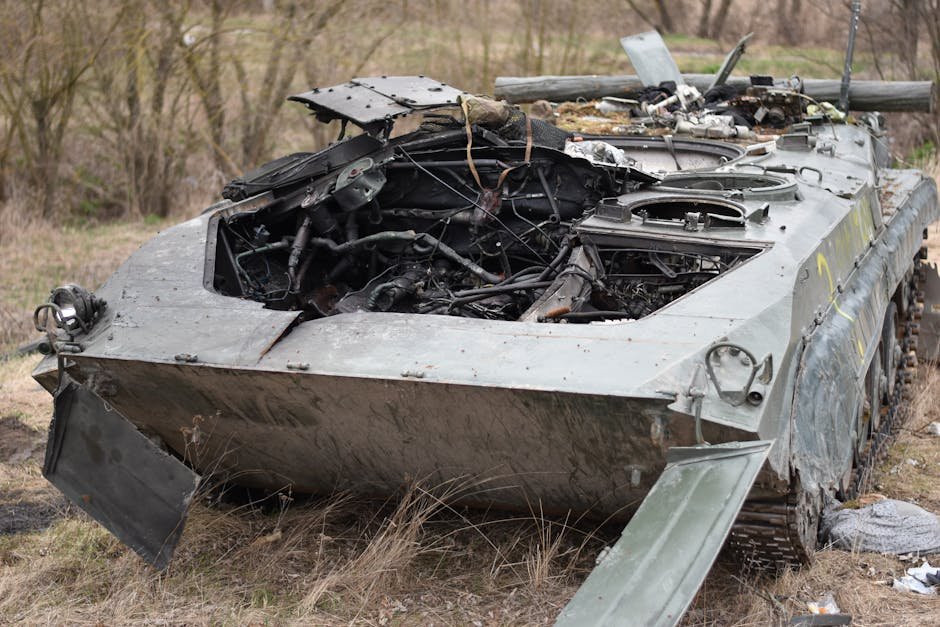
The Middle East Dilemma: A Cycle of Conflict
Why are we stuck in this cycle? The United States’ history in the Middle East is littered with broken promises and failed diplomacy. After decades of military interventions, the drawdown from Iraq and Afghanistan was supposed to signal a shift toward more diplomatic engagement. Yet, here we are, once again considering military action in Iran as tensions flare. With rising energy prices and economic uncertainty, the average American is left wondering why they should pay for conflicts that seem to have no end.
It’s not just about resources; it’s about priorities. The voters who initially flocked to Trump believed in his anti-war rhetoric. They expected a focus on domestic issues, not another expensive military campaign. Instead, they find themselves at a crossroads where their patriotic impulses are being pitted against their economic realities.

The Stakes of Inaction
So, who stands to benefit from another military engagement in the Middle East? Certainly not the American taxpayer. Defense contractors and military lobbyists are among the few who will thrive. As we pour more money into a conflict that has historically seen little return, it raises the question: are we learning anything from our past mistakes? The mainstream media seems largely fixated on the immediate headlines, ignoring the voices of those who are directly affected by these decisions — the American public.
If we continue to ignore the pleas for sensible foreign policy, we run the risk of creating another generation disillusioned by government action. People are tired of being asked to support wars that have little to do with their daily lives while neglecting pressing issues at home, such as healthcare, education, and infrastructure.

The conversation about the Middle East is no longer just about combating terrorism; it’s about whether we are willing to sacrifice our financial and human resources for a mission that seems to have no clear objective. Every dollar spent in another war is a dollar that can’t go towards improving lives back home.
We stand at a critical juncture. As the U.S. weighs its options concerning Iran, voters must demand accountability from their leaders. If war is indeed the answer, let us at least be clear about the question. It’s time for the American public to reclaim the narrative and challenge this endless cycle. Will we allow history to repeat itself, or will we finally take a stand for a foreign policy that serves the interests of the people?
Source: Google — Middle East