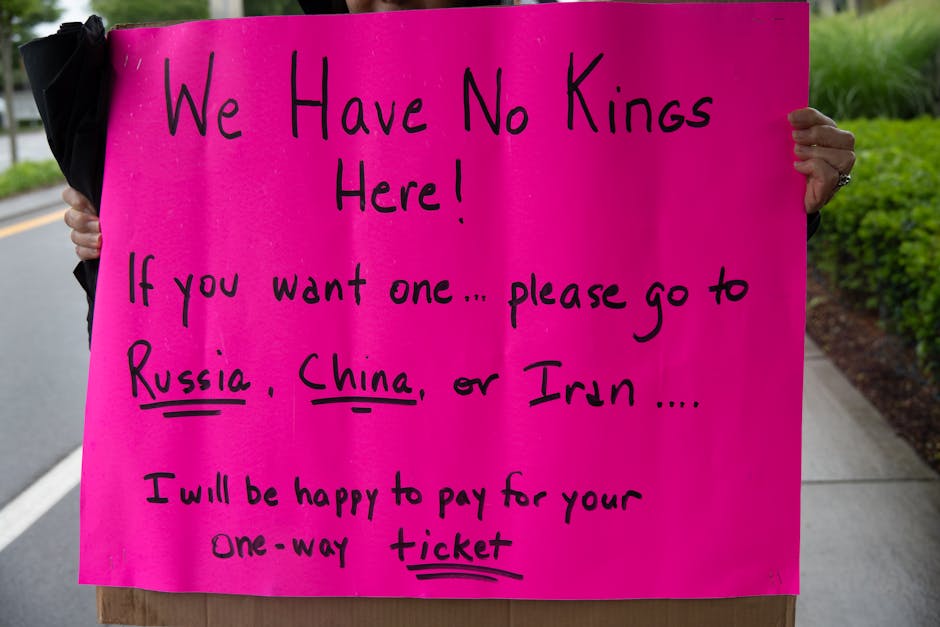
Donald Trump’s recent rebuke of a House vote labeling his Iran policy as “unpatriotic” isn’t just a political maneuver; it’s a glaring indicator of how the Middle East continues to shape American politics. When will we wake up to the fact that the ongoing conflicts in the Middle East are not just foreign affairs but domestic issues that cut to the heart of our values and identity?
According to the BBC, the House took a stand against Trump’s approach to Iran, voting to rebuke his actions as detrimental to American interests. In response, Trump condemned the vote, framing it as an attack on patriotism, which is a classic play from his political playbook.
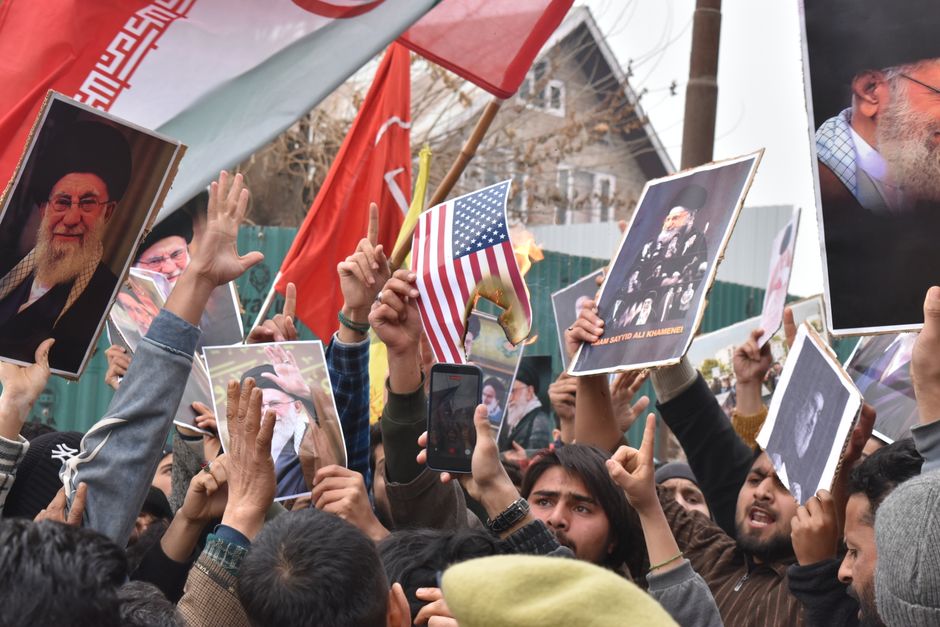
The Middle East’s Grip on American Politics
Why does this matter? The Middle East has been a thorn in the side of U.S. administrations for decades, and it shows no sign of easing. From oil dependency to national security concerns, American involvement in this region has always been deep-rooted and contentious. With Trump, the stakes have been raised, as he combines his America First agenda with a defiant stance against what he perceives to be a growing anti-Iran sentiment in Washington.
The players in this drama are as complex as the geopolitics involved. On one side, you have Trump, who is leveraging his unique brand of nationalism to rally his base, accusing lawmakers of undermining his authority. On the other, there’s a cadre of bipartisan lawmakers who seem to be awakening to the need for a more nuanced approach to Iran, one that doesn’t rely solely on economic sanctions or military threats.
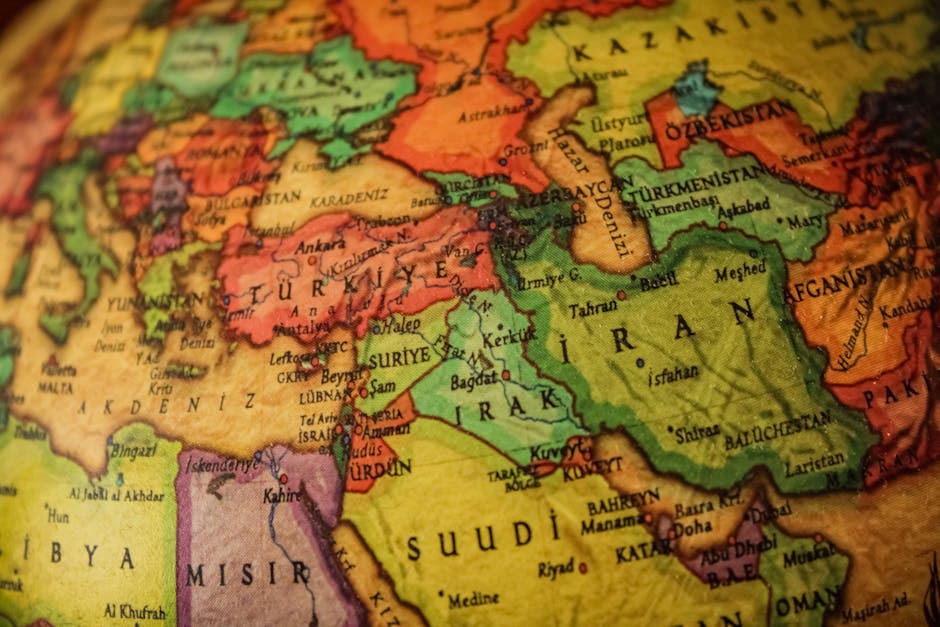
However, what all this really reveals is the tension between populist sentiment and traditional foreign policy pragmatism. The Middle East remains a flashpoint not only for international strategies but also for internal political battles.
Who Wins in This Tug-of-War?
Here’s the hot take: in this tug-of-war, nobody really wins. Trump’s rhetoric may excite his base, but it risks alienating moderate voters who are tired of the hyperbolic claims of patriotism. The House’s rebuke could empower those who seek a more diplomatic route, but it also creates an environment ripe for backlash from Trump supporters who feel their leader is being undermined.
The mainstream media often misses the point here: while they focus on the political machinations, the real story lies in the underlying beliefs about America’s role in the Middle East. The narrative that we must either support a warlike stance or be labeled unpatriotic is a dangerous one. It simplifies a complex situation into a binary choice, ignoring the possibility that diplomacy and engagement might be valid strategies too.
Moreover, this ongoing conflict may not only shape foreign policy but also domestic agendas. As the 2024 election approaches, we can expect both sides to weaponize the narrative surrounding the Middle East, thereby influencing public opinion on broader issues like immigration, national security, and economic policy.
As we venture further into this political labyrinth, it begs the question: can America ever truly disentangle itself from the Middle East? Or are we doomed to repeat the same cycles of intervention and rebuke? The answer may not lie solely in Washington, but rather in how ordinary Americans perceive their country’s identity in relation to the world stage.
One thing is clear: whatever happens next, the Middle East will continue to be a contentious backdrop in the theater of American politics. And as long as that’s the case, the implications for both domestic policy and electoral outcomes can’t be overstated.
Source: Google — Middle East